recipe
Best recipes from the Feast community cookbook for your home kitchen.
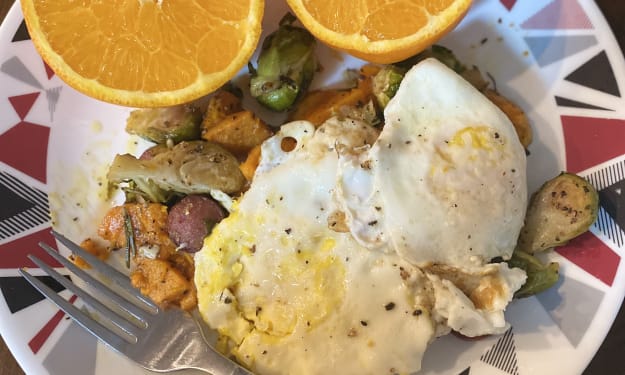
The best paleo breakfast ever!
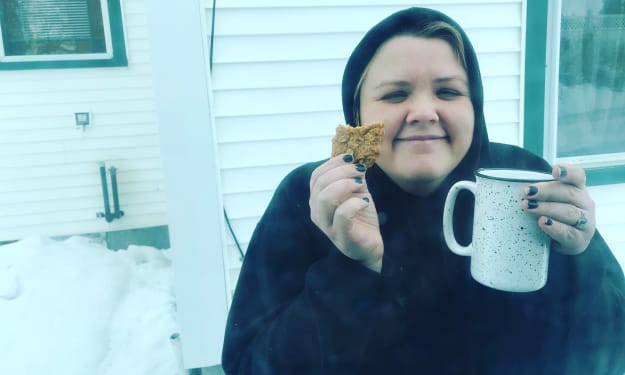
so let me start by giving some of my personal background when it comes to why I eat (90%) paleo. I have autoimmune issues along with fibromyalgia. And I was recommended to eat Aip, (which is essentially the paleo diet on steroids.) while I was successful during my first month of aip, I began to realize that for my body. It wasn’t giving me the proper nutrition I needed. I almost got a similar reaction to what people call keto flu. Felt very drained of energy and just over all uncomfortable. While it helped me determine what kinds of food help heal my body, it also caused me to lack essential fats and vitamins; that are very important for proper digestion and muscle function. So I switched it up and moved more into a paleo/Whole Foods diet. And I am loving every meal more and more! Not to toot my own horn, but I also happen to be a pretty great cook.
By Miquela Wallace6 years ago in Feast
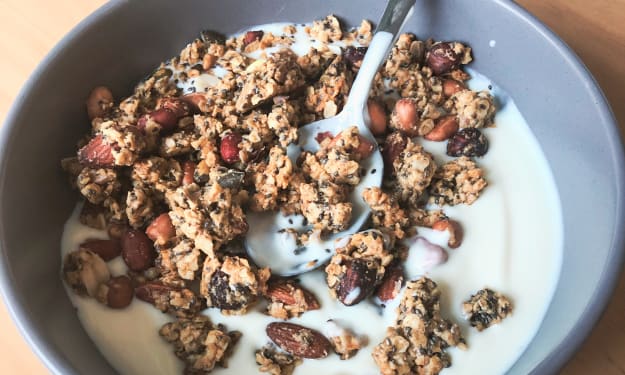
How to Find the Moo Goo Gai Pan Recipe You'll Love
You take your list and proudly purchase every required ingredient from the grocery store, racing back home to quickly pre-heat the oven and get to work on your meal. Finally, the timer goes off and its time to taste test your highly anticipated work of art. You followed the recipe to the T and are jumping for joy until the moment your fork meets your lips- because you are immediately disappointed. If you are like us, then you have had your fair share of disappointments in the kitchen from following a recipe that was not what you expected. Trust us, we’ve been there, done that and got the t-shirt!
By Krisna Garcia6 years ago in Feast
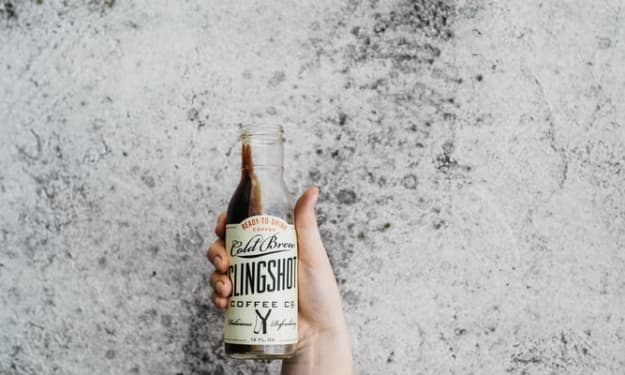
The Cold Brew Coffee
Nothing beats a hot cup of coffee every morning. But what about if you are not an early riser and the sun is already up when you wake up? That's fine since coffee is versatile, you can have it cold instead. You can still get the same coffee flavor and the caffeine boost even if it's too hot to go for the hot variety.
By Jaymie Suh6 years ago in Feast
cranberry clementine cider
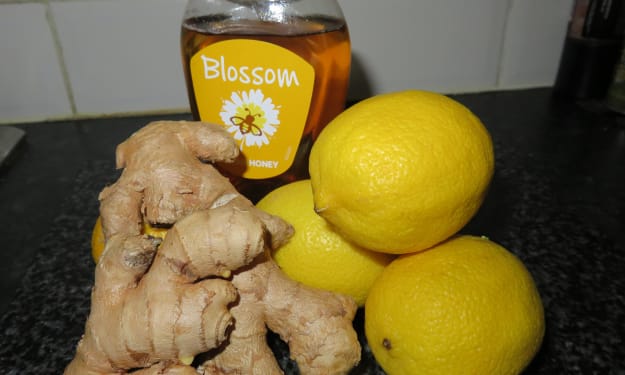
I’m trying my hardest to enjoy hot drinks. I generally don’t reach for them or crave them, but I like to open up horizons to myself and delve into things I wouldn’t normally try. I have some other ideas I’m working on executing, but for now, I have this cranberry clementine cider. It’s great for holiday time, and has that clove warming sensation that feels perfect going down while there’s a snowstorm outside. As I’m writing this, it’s 60 degrees despite the fact that it’s January, but I have no control over global warming and can only speak from a seasonal perspective. This recipe makes enough servings for a small group of people--about 4 to 5--or a lot of servings for two people. That’s up to you. This works well hot or cold, but I surprisingly enjoyed it most straight out of the crockpot when it was finished. The recipe and instructions are straightforward, but it is time consuming. I simmered this for about 10 hours, and I know that’s a long time, but I needed to make sure I could really gauge the process correctly. I made this cider three separate times trying to get the measurements correct, and it took 10 hours to simmer each time, so it is what it is. You could probably get away with cooking this in 6 hours, possibly 5, but I wouldn’t rush it along any more than that. Just follow the visual cues I give below and you will be fine. The ingredients will tell you when it’s ready. Don’t force it though.
By Alyson Lewis6 years ago in Feast
Pumpkin Soup
Where on Earth did pumpkins come from? Pumpkins originated in the Americas and was one of the earliest exports to France. Seeds of the pumpkin, dating back to as early as 7000-5500 BC, have been found as far down south as Mexico. The Indians introduced the Pilgrim settlers to squash and pumpkin. They used the hallowed and dried shells of squash as bowls and storage containers. The Early British colonists of the 1700-1800's prepared it by scooping out the seeds and flesh, separating the seeds, and then cooking the seasoned flesh. After flavoring it with milk, spices, and honey, they would put the mixture back into the shells, place the tops back on, and bury them in the hot coals of a fire. When the blackened, cooked shells were removed from the flames and set to cool, the tops were removed and the insides consumed.
By Lady Sunday6 years ago in Feast