
Forget Carbonara: Here’s What Romans Really Eat
Five very Roman dishes to try beyond pasta and pizza

In Rome, the real appetite of the city lives well beyond plates of cacio e pepe and carbonara. It hides in bakeries perfumed with sugar at dawn, in friggitorie crackling by mid-morning, in market halls where office workers linger over something fried and still too hot to hold.
You will not find these dishes laminated outside restaurants facing the Colosseum. They belong to neighborhoods, to counters without tablecloths, to recipes carried forward without fuss.
Trapizzino
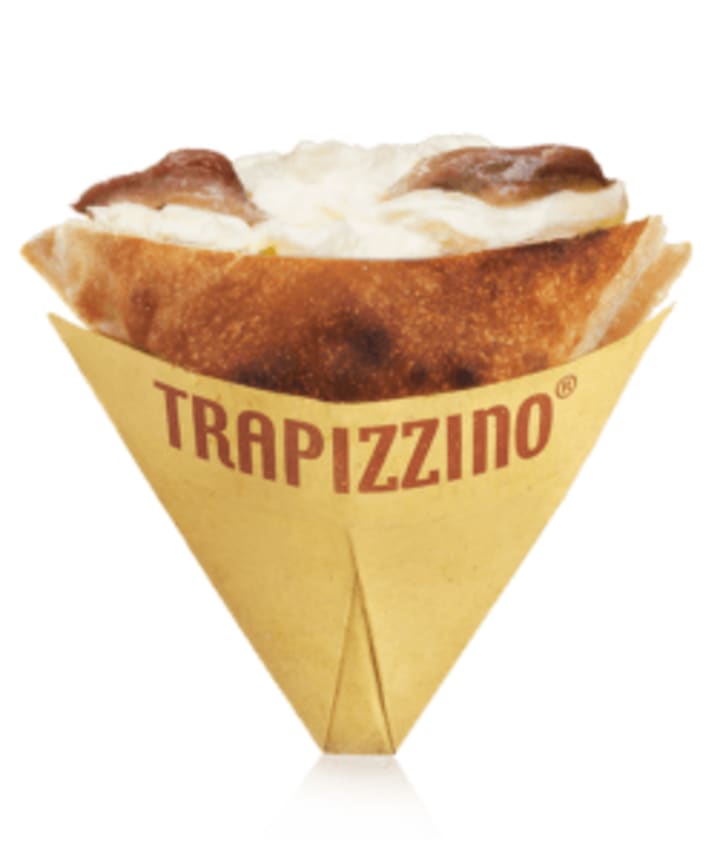
A relative newcomer, trapizzino was created in 2008 yet feels deeply Roman. The name blends tramezzino and pizza, describing its triangular pocket of pizza bianca cut open and filled with slow-cooked classics. Oxtail simmered in tomato, chicken cacciatore, tripe bright with mint.
It is cucina romana made portable, sauce soaking gently into airy dough. Lunch in Rome often happens standing, one hand occupied, the other gesturing mid-conversation. Trapizzino understands this choreography.
📌 Where to try: Trapizzino (multiple locations in Rome).
Supplì
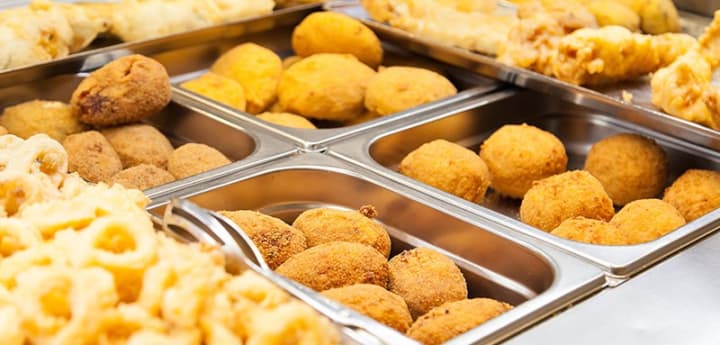
Supplì predates it by more than a century. The name derives from the French surprise, a reminder of 19th-century influences on Roman kitchens. Inside its crisp shell lies rice enriched with tomato ragù and a core of mozzarella that stretches dramatically when pulled apart.
Romans call it supplì al telefono, the cheese forming a taut line between two hands, just like a telephone wire. It is ordered casually, eaten quickly, remembered fondly.
📌 Where to try: Forno Campo de’ Fiori, Supplizio.
Maritozzo

Few pastries carry as much romance as the maritozzo (“hubby”). Its name comes from marito, husband. In earlier centuries, young men presented sweet buns to their betrothed, sometimes concealing a ring inside.
Today the bun is split and filled generously with whipped cream, piped so high it demands commitment. Powdered sugar settles on lips and jackets, cream leaves a theatrical moustache. In Maccheroni, Marcello Mastroianni and Jack Lemmon wear theirs with comic elegance.
📌 Where to try: Il Maritozzaro, Roscioli Caffè Pasticceria.
Carciofi alla giudia
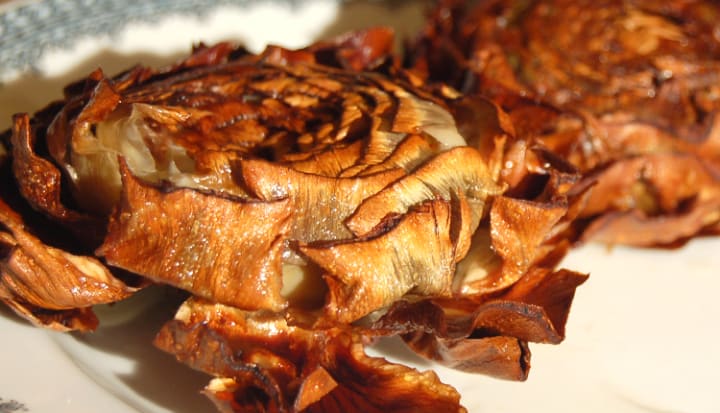
In the historic Jewish Ghetto, carciofi alla giudia remains one of the city’s purest expressions of restraint. Dating back to the 16th century, the dish reflects the ingenuity of Roman Jewish cooking.
Artichokes are trimmed, coaxed open and fried twice until they resemble bronze flowers. The outer leaves shatter delicately; the heart stays tender and faintly sweet. It is seasonal, fleeting and entirely Roman.
📌 Where to try: Ristorante Piperno.
Saltimbocca alla romana
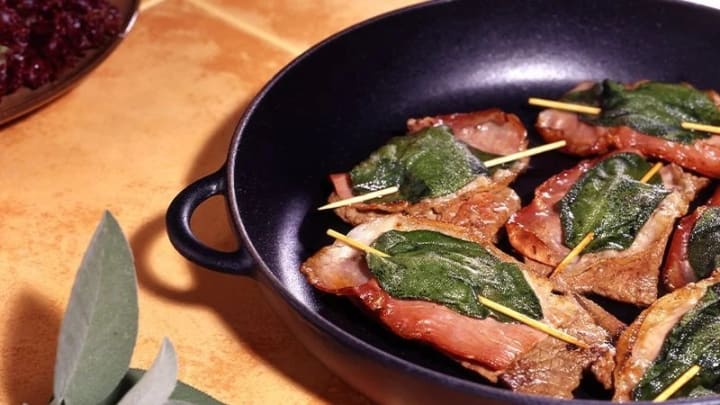
Saltimbocca alla romana translates literally as “jumps in the mouth,” a name that needs little explanation once tasted. The dish is simplicity arranged with precision: tender veal layered with prosciutto and a fresh sage leaf, then cooked quickly in white wine and butter.
The flavors arrive at once — savory, aromatic, lightly salty — yet remain balanced. Nothing overwhelms. The sage perfumes gently, the wine reduces to a delicate glaze, and the meat stays supple.
Unlike Rome’s street-side bites, saltimbocca belongs to the trattoria table. It is ordered when lunch stretches into afternoon, when bread is used to gather every last drop of sauce. Effortless, confident, and deeply Roman.
📌 Where to try: Tonnarello, Nannarella.
In Rome, the best flavors are found where locals go: at bustling counters, neighborhood bakeries, and historic trattorie. Have you ever tried any of these Roman dishes, and which one would you go back for first? 😋
Author
Anton Levytsky is a Mediterranean travel expert and photographer based in Southern Europe. Fluent in eight languages, he has explored 50+ towns and cities.
About the Creator
8 Things You Should Never Order at Restaurants (Unless You Love Food Regret)
Let’s be honest, when we go to a restaurant, we’re not just eating. We’re investing in an experience. We want the best-tasting dish, the one we’ll remember for days. Because of food regret? That’s real. And it lingers.
By Areeba Umair7 days ago in Feast
Mile-High Noodles: The Best Ramen Spots in Denver
For some reason, there has been a lot of chatter about Denver's food scene online - or rather, the perceived lack thereof. As a Colorado native, I will admit that there are pockets of Denver that lack in options and there are a lot of breweries clouding the restaurant scene, but you can find good food in Denver. I've traveled around the United States quite a bit and honestly I think Denver has some great options, especially when it comes to Asian cuisine. You just need to know where to look.
By Jenika Enoch4 days ago in Feast


Comments
There are no comments for this story
Be the first to respond and start the conversation.