Climate
Blizzard Warning. When Winter Turns Dangerous
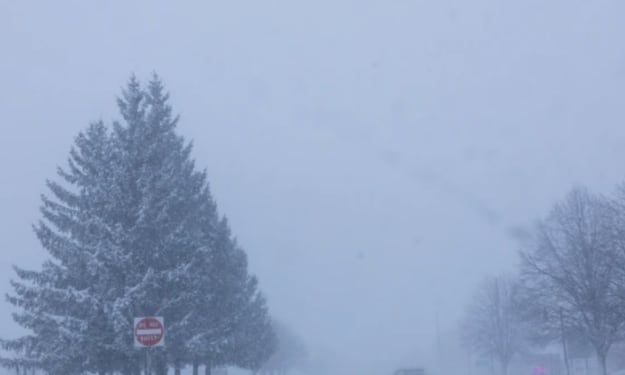
What Is a Blizzard Warning? Not just snow, but a storm A blizzard warning is issued when heavy snowfall combines with powerful winds, creating near-zero visibility and dangerously cold temperatures. These conditions can last for several hours or even days. Unlike a simple snowstorm, a blizzard doesn’t only cover the ground in white—it creates chaos. Meteorologists usually declare a blizzard warning when winds reach at least 35 miles per hour and visibility drops below a quarter of a mile due to blowing snow. These storms are often accompanied by freezing temperatures, making frostbite and hypothermia serious risks.
By USA daily update about a month ago in Earth
Winter Storm Watch. What It Means and How to Prepare
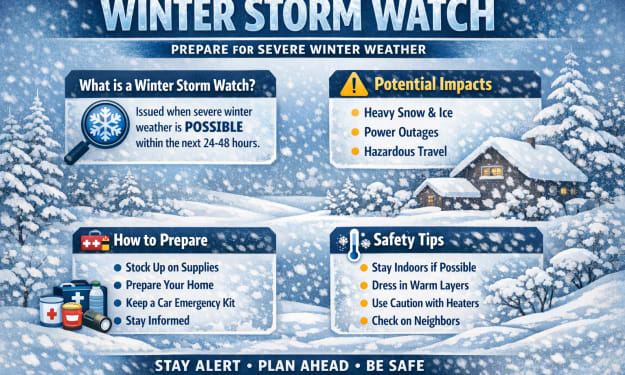
What Is a Winter Storm Watch? A winter storm watch is issued when forecasters identify the possibility of severe winter weather, but the exact timing, location, or intensity is still uncertain. This alert is different from a winter storm warning, which is given when dangerous winter conditions are imminent or already happening. The watch phase is essentially a heads-up. It allows individuals, businesses, and local governments to start preparing before conditions worsen. During this time, meteorologists continue to analyze weather patterns and refine their forecasts. If confidence in the storm increases, the watch may be upgraded to a warning or advisory. Typical conditions associated with a winter storm watch include heavy snow accumulation, ice storms, strong winds, reduced visibility, and extreme cold. These elements can create treacherous roads, power outages, and health risks, especially for vulnerable populations.
By USA daily update about a month ago in Earth
How AI Is Becoming the Next Geopolitical Frontier
Why This Matters Right Now The world is changing faster than ever. Wars, trade, jobs, and even daily life are being reshaped—not only by soldiers and weapons, but by artificial intelligence (AI). Right now, countries are racing to control AI. The reason is simple: whoever leads in AI will likely lead in power, money, and influence. This race is already affecting global politics—and it is quietly touching the lives of ordinary people everywhere. AI is no longer just a technology. It is becoming the next geopolitical frontier.
By LegacyWordsabout a month ago in Earth
Forecasters Warn of ‘Potentially Catastrophic’ Storm Threatening Texas to the Carolinas. AI-Generated.
A massive storm system is on the horizon, and forecasters are raising the alarm for communities stretching from Texas to the Carolinas. Officials are warning that this could be a “potentially catastrophic” weather event, with heavy rainfall, hurricane-force winds, and dangerous flooding expected across multiple states. As residents prepare for what could be a historic storm, experts are urging vigilance and proactive measures to minimize risk. A Storm Unlike Any in Recent Memory Meteorologists describe this storm as unusually powerful, with characteristics of both a tropical system and a winter storm. The National Weather Service (NWS) has issued alerts across a wide swath of the southern and eastern United States, highlighting the potential for flash flooding, tornadoes, and prolonged power outages. According to Dr. Karen Whitfield, a senior meteorologist with the NWS, “The size and intensity of this system are alarming. The combination of warm Gulf moisture and high-pressure systems in the north is creating conditions that could make this one of the most destructive storms in recent history.” Rainfall totals could reach 10 to 15 inches in some areas, particularly in low-lying regions along the Gulf Coast and parts of the Carolinas. Rivers already swollen from recent precipitation could overflow, putting communities at immediate risk. States on High Alert From Houston to Charlotte, emergency management teams are mobilizing resources. Texas officials have activated disaster response units and are advising residents in flood-prone areas to consider evacuation plans. In Louisiana, emergency shelters are being readied for potentially thousands of displaced residents. The Carolinas, which were hit by flooding last year, are preparing for similar challenges. Local governments are emphasizing the importance of early warning systems, urging citizens to monitor weather updates and heed evacuation notices promptly. Governor Laura Jenkins of North Carolina stated, “We cannot stress enough the importance of taking these warnings seriously. This storm has the potential to cause catastrophic damage, and the safety of our residents is our top priority.” The Human and Economic Toll Beyond the immediate threat to life and property, experts predict that the storm could have significant economic consequences. Power outages could disrupt businesses, transportation, and supply chains. Schools and public services may face closures, further complicating recovery efforts. Insurance companies are already warning of increased claims due to property damage. According to industry analysts, this storm could rival some of the costliest weather events in U.S. history if rainfall and wind speeds reach projected levels. Preparing for the Worst Meteorologists emphasize that preparation is key. Residents in affected areas are advised to: Secure property: Bring outdoor furniture, garbage bins, and other loose objects indoors to prevent them from becoming projectiles. Stock up on essentials: Water, non-perishable food, medications, and batteries should be readily available. Plan evacuation routes: Know multiple routes out of flood-prone areas and identify local shelters. Stay informed: Monitor official channels for updates from the NWS, FEMA, and local authorities. Emergency management teams are also using social media and local news outlets to reach residents quickly, providing real-time information on evacuation orders, shelter openings, and weather updates. The Role of Climate Change While no single storm can be directly attributed to climate change, scientists note that warming ocean temperatures and shifting weather patterns increase the likelihood of extreme storms. The Gulf of Mexico, for instance, has been experiencing above-average sea surface temperatures, fueling the energy of storms forming over its waters. Dr. Whitfield explains, “Warmer waters mean more moisture and stronger winds in storms. This doesn’t happen in isolation — it’s part of a larger trend where extreme weather events are becoming more frequent and more severe.” Looking Ahead Forecasters say that the storm’s trajectory could shift as it moves inland, and residents should remain alert for updates. While initial predictions suggest the greatest impact will be felt along the Gulf Coast and southeastern states, heavy rain and gusty winds could affect areas as far north as Virginia and Tennessee. Meteorologists stress that preparation now can save lives later. “It’s better to be over-prepared than under-prepared,” said Whitfield. “Even if the storm shifts slightly, the risks remain very real.” Communities across Texas, Louisiana, Mississippi, Georgia, and the Carolinas are bracing for what could be a defining weather event of the year. Authorities, residents, and businesses are mobilizing to minimize damage and ensure safety, hoping that early action will prevent loss of life and property. As the storm approaches, officials urge calm but firm action. From evacuations to emergency supplies, the steps taken in the coming hours could make all the difference.
By Muhammad Hassanabout a month ago in Earth
Global Markets on Alert as Europe Suspends Approval of US Trade Deal. AI-Generated.
Global financial markets are on high alert following Europe’s announcement that it will suspend approval of a major US trade deal, a decision that has sent shockwaves across stock exchanges, currency markets, and investment forums worldwide. The move comes amid growing concerns over trade imbalances, regulatory disputes, and geopolitical tensions between the United States and European Union. Economists warn that the suspension could create ripple effects across global supply chains, impacting everything from manufacturing and energy to technology and agriculture. The Trade Deal in Question The US-EU trade agreement, intended to streamline tariffs, boost investment, and harmonize regulations between the two economic powerhouses, had been widely anticipated as a game-changer for transatlantic commerce. Negotiations had taken years, with both sides seeking to protect sensitive industries while opening markets for goods and services. However, Europe’s decision to halt the deal reflects mounting concerns over the potential impact on domestic industries and regulatory standards. EU officials cited the need for further review of compliance with environmental, labor, and consumer protection regulations before giving the agreement a green light. While not a full cancellation, the suspension introduces uncertainty and highlights the fragility of international trade negotiations in the current geopolitical climate. Immediate Market Reactions Financial markets reacted swiftly. Stock indices in Europe, the US, and Asia experienced volatility as investors recalibrated expectations for corporate earnings, trade flows, and economic growth. Commodity markets, particularly oil and agricultural products, also saw price fluctuations as supply chain uncertainties increased. The US dollar strengthened slightly against major currencies, reflecting investor demand for perceived “safe-haven” assets amid uncertainty. Meanwhile, European stock markets experienced moderate declines, particularly in sectors most dependent on transatlantic trade, such as automotive, aerospace, and industrial machinery. Investment analysts caution that this volatility may persist as both sides negotiate next steps. Market participants are monitoring political statements, regulatory filings, and industry responses closely to gauge the potential timing and scope of any eventual agreement. Broader Economic Implications Beyond immediate market movements, the suspension of the trade deal could have broader consequences for global economic growth. Reduced trade flows between the US and EU may affect multinational companies that rely on predictable tariffs and harmonized regulations. Sectors such as technology, pharmaceuticals, and energy could face delays in approvals, increased costs, or regulatory conflicts. Emerging markets may also feel the impact indirectly. Many countries are linked to transatlantic supply chains, exporting components, raw materials, or services to Europe or the United States. Any slowdown in EU-US trade could ripple through global production networks, affecting economic growth and employment in distant regions. Political Dimensions The suspension is not purely economic; it also has significant political implications. EU leaders are facing domestic pressures to safeguard industries, protect workers, and maintain environmental and safety standards. At the same time, US officials are emphasizing the strategic benefits of transatlantic cooperation and the risks of prolonged uncertainty. This tension underscores the broader challenge of balancing national interests with the benefits of globalization. Trade agreements are rarely purely transactional; they carry social, political, and environmental stakes. Europe’s decision to pause approval reflects a cautious approach in a time of global volatility, including ongoing geopolitical conflicts, energy security concerns, and fluctuating financial markets. Expert Analysis Economists and trade experts suggest that while the suspension introduces short-term uncertainty, it does not necessarily mean the collapse of the US-EU trade agreement. “This is a temporary pause,” says Dr. Elena Fischer, an international trade analyst. “Europe wants to ensure that the deal aligns with regulatory and sustainability standards. Once concerns are addressed, there is a strong likelihood that negotiations will resume and the agreement will eventually move forward.” Others, however, warn that delays could embolden protectionist tendencies and encourage other nations to reconsider or renegotiate trade agreements. The current global environment—marked by rising inflation, energy price volatility, and ongoing geopolitical tensions—makes international cooperation more complex than ever. Industry Responses Businesses on both sides of the Atlantic are closely watching the developments. Large multinational corporations have expressed concern about the potential for regulatory divergence, increased compliance costs, and disrupted supply chains. Some industries, such as automotive manufacturers and tech companies, rely heavily on synchronized regulations and predictable tariffs to maintain profitability. Trade associations are urging governments to provide clarity and timelines to prevent prolonged uncertainty. Investors, meanwhile, are adjusting portfolios to hedge against potential volatility, emphasizing sectors that may be less affected by transatlantic trade fluctuations. Potential Next Steps The path forward likely involves further negotiation, regulatory review, and stakeholder consultations. European officials have indicated that they are committed to maintaining high environmental and labor standards, while US negotiators are advocating for rapid approval to support economic growth and stability. Observers expect a period of careful diplomacy, with both sides balancing domestic pressures against broader economic and strategic interests. While the market may continue to experience volatility, experts suggest that clarity will eventually emerge, either in the form of a revised deal or a timeline for approval. Conclusion The suspension of the US-EU trade deal serves as a stark reminder of the delicate balance in global economic relations. Markets respond instantly to news and sentiment, while underlying economic, political, and regulatory considerations unfold more slowly. Investors, businesses, and policymakers must navigate these uncertainties carefully, weighing risks and opportunities in an interconnected world. As Europe pauses to ensure compliance and protect domestic interests, the global community watches closely. The resolution of this trade issue will not only shape transatlantic commerce but could influence global trade norms, investor confidence, and economic growth for years to come. For now, the message is clear: in an era of complex international relationships, vigilance and strategic foresight are paramount for global markets.
By Muhammad Hassanabout a month ago in Earth
China Sets a New Benchmark: 22.13-Kilometer Highway Tunnel Breaks World Record. AI-Generated.
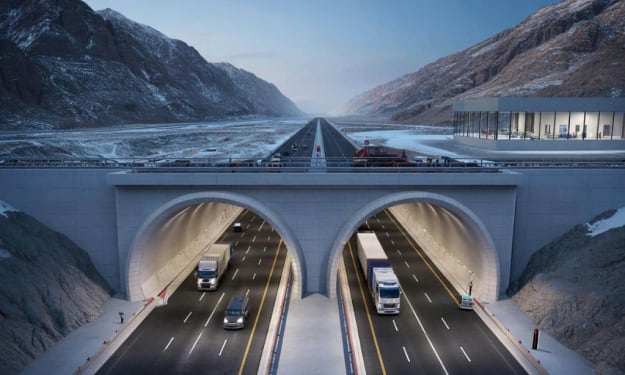
China has once again captured global attention by pushing the limits of civil engineering with the completion of a 22.13-kilometer highway tunnel. This extraordinary feat has not only set a new world record but also highlights China’s relentless drive to expand and modernize its transportation network. The tunnel, which threads through challenging mountainous terrain, promises to revolutionize travel efficiency, boost regional connectivity, and further cement China’s reputation as a global leader in mega infrastructure projects.
By Muhammad Hassanabout a month ago in Earth
Northern Lights May Be Visible in 10 States Jan. 20 as Earth’s Magnetic Field “Rings Like a Bell” After CME Impact
What Happened: A Massive CME Hit Earth On Jan. 19, 2026, a powerful CME associated with a major X1.9-class solar flare erupted from the sun and traveled the approximately 93 million miles to Earth in around 25 hours — much faster than most such events. When it reached Earth’s magnetic field at about 2:38 p.m. EST, it triggered a severe geomagnetic storm, classified as G4 on NOAA’s geomagnetic storm scale.
By USA daily update about a month ago in Earth
Temperatures Tomorrow Thursday Drop to Minus 15 Below Zero
Temperatures Tomorrow Thursday Drop to Minus 15 Below Zero Extreme winter conditions are expected tomorrow, Thursday, as temperatures fall to minus 15 below zero. This level of cold is considered severe and can disrupt daily life, transportation, and personal safety. When temperatures reach this extreme, preparation becomes essential, not optional. Understanding the impact of such cold weather helps people make better decisions and stay safe.
By America today about a month ago in Earth
Trump Signs Order to Limit Wall Street Investors in Single-Family Housing. AI-Generated.
Former U.S. President Donald Trump has signed an executive order aimed at restricting Wall Street investors from buying large numbers of single-family homes. The move comes amid growing concerns over the affordability of housing for middle-class Americans and the increasing role of institutional investors in the residential real estate market.
By Aarif Lashariabout a month ago in Earth
Trump Signs Order to Limit Wall Street Investors in Single-Family Housing. AI-Generated.
In a move signaling renewed focus on housing affordability, former President Donald Trump has signed an executive order intended to limit Wall Street investors’ ability to buy single-family homes. The announcement comes amid growing public concern over the role of large investment firms in driving up home prices and reducing access to affordable housing for everyday Americans. Advocates say the order could help restore balance to the housing market, while critics question whether the measure will be effective or face legal challenges.
By Muhammad Hassanabout a month ago in Earth
The Growing Need for Air Purification and Air Purifiers Today
Introduction Air is the most basic necessity for life, yet it is often the most overlooked factor when discussing health, productivity, and quality of living. While people pay close attention to the food they eat and the water they drink, the air they breathe — especially indoors — rarely receives the same level of scrutiny. In today’s world, however, this mindset is rapidly changing. Rising pollution levels, climate change, urbanisation, industrial growth, and the lingering effects of global health crises have brought air quality to the forefront of public awareness.
By Hafsa Usmaniabout a month ago in Earth