Climate
Top Business Leaders Issue Expletive-Laced Message on Green Backlash. AI-Generated.
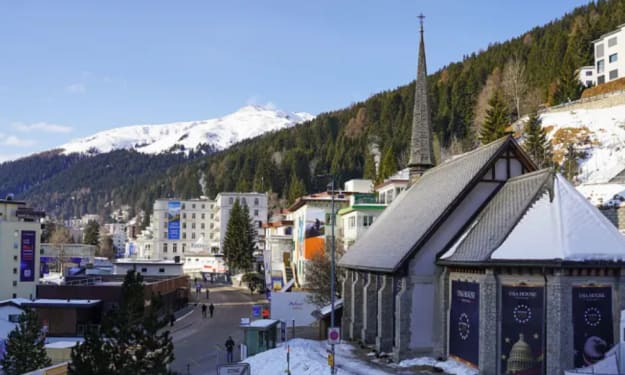
In a move that has captured global attention, a coalition of top business leaders recently issued a sharp and expletive-laden statement responding to what they describe as growing “green backlash” against corporate sustainability initiatives. The statement, which circulated widely on social media and news outlets, reflects increasing tension between business interests and environmental advocacy. Executives from some of the world’s largest corporations—including energy, manufacturing, and technology sectors—warned that the backlash threatens progress on climate goals and risks undermining long-term economic and environmental stability. What the Statement Said While the exact wording contained strong language, the core message was clear: business leaders are frustrated with public criticism that, in their view, unfairly targets companies striving to reduce emissions, invest in renewable energy, and implement sustainable practices. According to excerpts released by major media outlets, the executives argued that: Sustainability efforts are essential for long-term business survival. Criticism from political groups, activists, and some consumers is often misinformed or oversimplified. Corporations cannot be held responsible for systemic environmental challenges alone. The expletive-laced tone surprised observers and sparked debates about corporate communication strategies and the limits of public discourse in environmental debates. Why Business Leaders Are Pushing Back Many companies have invested billions in green technologies, energy-efficient processes, and corporate social responsibility initiatives. Yet, they argue that despite these investments, they face increasing public scrutiny and sometimes hostile criticism: Activist campaigns often portray corporations as greenwashing, exaggerating sustainability claims. Politicians in some regions have launched legal or regulatory challenges against certain environmental strategies. Social media amplifies criticism rapidly, sometimes disproportionately. Business leaders warn that this backlash not only demoralizes corporate teams but can also slow down innovation in areas like renewable energy, sustainable packaging, and carbon-neutral logistics. The Green Backlash: What It Is The term “green backlash” refers to growing opposition to environmental initiatives, particularly when such initiatives are perceived as expensive, disruptive, or politically motivated. Analysts suggest the backlash stems from several sources: Economic concerns: Some voters fear green policies raise costs for consumers or hurt industries reliant on traditional energy. Political polarization: Environmental issues have become entangled with partisan debates in multiple countries. Misinformation: Social media often spreads misleading narratives about corporate green practices. Executives argue that a lack of understanding among the public contributes to misdirected criticism. Examples of Corporate Sustainability Initiatives The companies represented in the statement have launched a range of initiatives over the past decade: Transitioning to 100% renewable energy in certain operations. Developing electric vehicle fleets for logistics. Investing in carbon capture technologies. Promoting sustainable supply chains and sourcing practices. While these measures have tangible environmental benefits, some critics argue that companies could do more or that efforts are motivated primarily by public relations rather than genuine ecological concern. Public and Media Reaction The expletive-laden nature of the statement drew immediate attention. Responses have ranged from support to criticism: Supporters argue the message is a wake-up call, highlighting that corporations are actively addressing climate challenges despite unfair scrutiny. Critics say that the tone reflects arrogance and defensiveness, suggesting that executives may be out of touch with public concerns. Media outlets noted the unusual directness and language, emphasizing how rare it is for top executives to express frustration so bluntly. The controversy highlights the fine line companies must walk in communicating sustainability efforts while maintaining credibility and public trust. Implications for Corporate Environmental Policy Analysts suggest this incident could have lasting impacts on corporate environmental policy: Stronger Communication Strategies: Companies may invest more in explaining their initiatives clearly to the public. Policy Advocacy: Corporations could increase lobbying efforts to protect sustainability investments from backlash. Collaboration With Stakeholders: Building alliances with NGOs, governments, and communities may help mitigate criticism. Transparency and Reporting: Enhanced sustainability reporting could counter claims of greenwashing. Overall, the backlash may push companies to balance assertiveness with accountability, ensuring their green efforts are both visible and credible. Broader Context: Climate Action and Corporate Responsibility This statement comes amid a period of heightened focus on climate change and corporate responsibility. Governments around the world are implementing stricter emissions targets, and investors are increasingly prioritizing environmental, social, and governance (ESG) metrics. At the same time, some sectors are experiencing pushback from consumers, employees, or regulators who feel that certain sustainability measures are too costly or disruptive. The tension between progressive climate goals and short-term economic or political pressures is likely to persist for years. Lessons From the Backlash Several takeaways emerge from this high-profile corporate statement: Companies must communicate proactively, not just implement policies. Strong language can grab attention, but it may also polarize stakeholders. Engagement with critics, rather than public confrontation, could yield better long-term results. The green backlash reflects a broader societal debate about the pace, cost, and responsibility of environmental action. The incident illustrates how corporate leadership and public opinion intersect in the era of climate change. Conclusion: Navigating the Green Debate The expletive-laden message from top business leaders underscores the frustration felt by corporations navigating environmental challenges in a polarized climate. While the tone may have raised eyebrows, the underlying message is clear: companies are committed to sustainability but are seeking understanding and support from the public. As environmental policies, corporate initiatives, and public expectations continue to evolve, the dialogue between business and society will remain critical. This episode may serve as a reminder that communication strategy is as important as action in achieving meaningful progress on climate change.
By Muhammad Hassanabout a month ago in Earth
EU Parliament Blocks US Trade Deal After Trump’s Tariff Threat. AI-Generated.
The European Parliament has moved decisively to block progress on a proposed trade deal with the United States after former U.S. President Donald Trump renewed threats of imposing tariffs on European goods. The decision underscores growing tensions between Washington and Brussels and highlights how trade negotiations can quickly unravel when political pressure and protectionist rhetoric re-enter the spotlight.
By Aarif Lashariabout a month ago in Earth
USA Weather Forecast, Next 3 Days cold
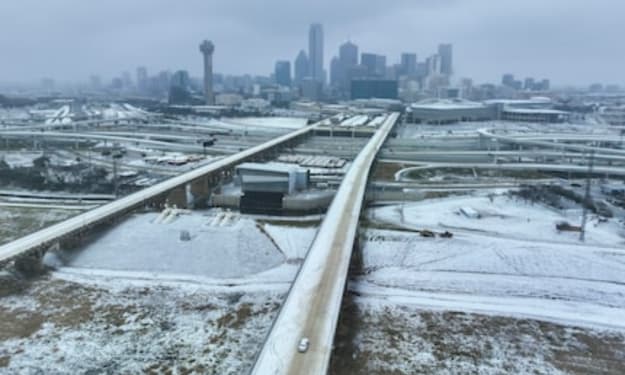
Day 1 — Friday: Winter Storm Impact Begins Across much of the nation from the southern plains to the Northeast, storm conditions will rapidly intensify: Snow and Ice Spread — Snow and freezing rain will expand eastward, leading to slick roads and hazardous travel. Ice accumulations could be significant in certain corridors, particularly across parts of Texas, the Mississippi Valley, and the Southeast.
By USA daily update about a month ago in Earth
When Immigration Enforcement Crosses the Threshold: ICE’s Controversial 2025 Memo. AI-Generated.
In 2025, the U.S. Immigration and Customs Enforcement (ICE) agency released a new internal memo outlining updated guidelines for immigration enforcement. The memo, which has since become highly controversial, addresses the use of force, detention practices, and enforcement priorities, and has drawn scrutiny from lawmakers, human rights advocates, and legal experts alike.
By Aarif Lashariabout a month ago in Earth
US Braces for Record-Breaking Winter Storm as Snow and Ice Threaten Multiple States. AI-Generated.
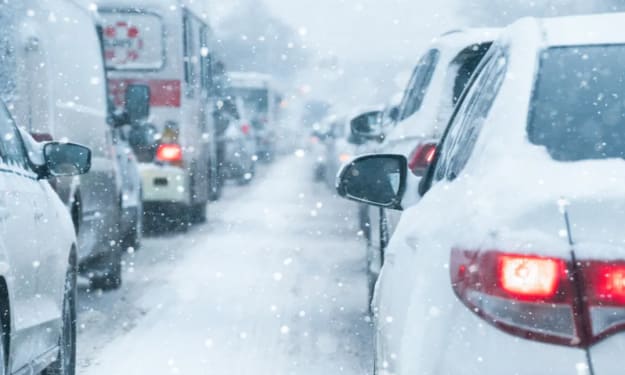
As winter takes hold of the United States, residents across several states are preparing for what could be one of the most powerful winter storms the country has faced in recent years. The storm, which is expected to bring a combination of heavy snow, freezing rain, and ice, is already being called a potential record-breaker. The storm threatens to disrupt travel, power, and daily life in multiple states, and meteorologists are warning that the severity of the conditions could cause significant damage. In this article, we’ll explore the details of the incoming winter storm, the states most affected, and how citizens and authorities are preparing for the extreme weather conditions. The Perfect Storm: What’s Coming? Meteorologists have described this upcoming winter storm as a "once-in-a-decade" event due to the intensity and the wide geographical reach it’s expected to have. The storm is expected to develop as a low-pressure system moves across the Midwest and toward the Northeast, bringing a combination of snow, sleet, and freezing rain. The heavy snow is likely to be the most significant threat in the central United States, while the ice and freezing rain will affect areas farther south and east. While the storm's track and intensity are still being monitored, forecasts suggest that it will be more impactful than typical winter weather events, with up to a foot or more of snow expected in certain regions. Freezing rain will be the most dangerous aspect of the storm, creating slick roads, downed trees, and widespread power outages. The threat of ice will also make travel extremely hazardous, especially for those who may be caught on the road during the storm’s peak. States at Risk: Who Will Be Affected? This winter storm is expected to hit a wide range of states, with the most dangerous conditions impacting parts of the Midwest, Northeast, and Southern US. The storm will likely bring dangerous conditions to major metropolitan areas, including Chicago, St. Louis, Indianapolis, Washington D.C., and New York City. 1. Midwest and Central US The Midwest is expected to bear the brunt of the snow, with Chicago, Detroit, and parts of Minnesota, Iowa, and Wisconsin seeing the heaviest accumulation. Some areas could receive 12–18 inches of snow, potentially making roads impassable and creating dangerous driving conditions. In addition to the snow, areas like St. Louis and Kansas City will be at risk for freezing rain and ice, making conditions even more treacherous. 2. Southern US Southern states, including Arkansas, Tennessee, and North Carolina, will experience the most significant threat from freezing rain. The ice accumulation could be enough to cause power outages and damage to infrastructure. Memphis and Little Rock could be hit particularly hard, with warnings in place for slick roads and dangerous driving conditions. 3. Northeast As the storm moves east, it is expected to reach the Northeast, where states like New York, Pennsylvania, and New Jersey will see a mix of snow and freezing rain. While the snow will likely be less intense than in the Midwest, the ice storm could still pose significant threats to transportation and utilities. Major cities like New York City could experience delays in both air travel and public transportation as freezing rain accumulates on roadways and rail lines. 4. Northeast Coastal Areas In coastal areas, particularly Boston and parts of Maine, snow will mix with rain, creating slushy conditions. Coastal flooding due to the storm surge will also be a concern, although the immediate threat from snow and ice will be the primary focus. The Dangers: More Than Just Snow While the snowfall from this storm will be significant, the biggest concern for many areas is the freezing rain and ice accumulation. Unlike snow, which can accumulate and be cleared relatively easily, ice presents a far greater challenge. 1. Power Outages One of the most dangerous aspects of this storm is the potential for widespread power outages. Ice accumulation on trees and power lines can cause branches to snap, leading to downed power lines and interruptions in service. Areas like Tennessee and Arkansas, where ice is expected to accumulate the most, are particularly vulnerable. Thousands of homes and businesses could be left without electricity for hours or even days, depending on the severity of the ice storm. 2. Travel Disruptions The ice and snow will also create hazardous driving conditions, leading to delays and road closures. Authorities are warning that highways and secondary roads could become impassable due to the accumulation of ice, snow, and sleet. Travelers in affected areas are urged to avoid non-essential trips and to stay off the roads unless absolutely necessary. Air travel will also be disrupted, with delays and cancellations expected at major airports in cities like Chicago, St. Louis, and New York. 3. Flooding Risks The freezing rain could also lead to flooding in some areas. As temperatures rise slightly, any accumulated snow or ice could melt, overwhelming local drainage systems and leading to flash flooding. This is particularly a concern for areas in the Northeast, where the storm is expected to bring rain after the ice storm. Preparing for the Storm: What to Do As the storm approaches, residents in affected areas are urged to take precautionary measures to ensure their safety. Here are some tips for preparing for this record-breaking winter storm: Stock Up on Essentials: Ensure you have enough food, water, and other necessities to last through power outages. Non-perishable food and bottled water are key items to have on hand, along with batteries and flashlights. Prepare for Power Outages: Charge devices in advance and consider purchasing a generator if you live in an area that’s prone to outages. Keep blankets and warm clothing available in case the temperature drops in your home. Stay Off the Roads: If you don’t need to travel, stay home. If you must drive, make sure your vehicle is equipped with emergency supplies, such as a shovel, extra blankets, and sand or cat litter for traction. Monitor Weather Reports: Stay up-to-date on the storm’s progress and any emergency alerts in your area. Local authorities will issue weather warnings and road closures as the storm progresses. Conclusion: A Storm to Remember As the US braces for this record-breaking winter storm, the risks of snow, ice, and freezing rain pose significant threats to both public safety and infrastructure. While authorities are taking steps to prepare for the worst, it is important for individuals to stay informed and ready for whatever the storm may bring. The combination of snow, ice, and freezing rain could make this storm one for the history books, and how the country responds to this crisis will serve as a reminder of just how powerful and unpredictable winter weather can be.
By Muhammad Hassanabout a month ago in Earth
Malfunction Forces Japan to Take Restarted Nuclear Plant Offline: What It Means for Energy Security and the Future of Nuclear Power. AI-Generated.
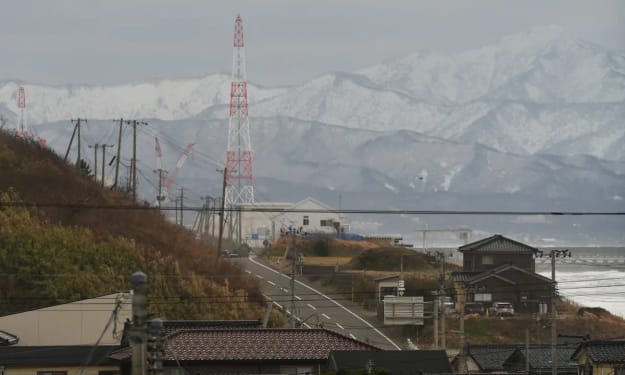
Japan's efforts to revive its nuclear energy sector suffered a significant setback recently when a malfunction forced a restarted nuclear plant offline, highlighting the challenges the country faces as it works to balance energy security, environmental goals, and safety standards. This development has raised questions about the reliability of nuclear power in the post-Fukushima era and the nation’s ambitious plans to reduce its dependence on fossil fuels.
By Muhammad Hassanabout a month ago in Earth
Dubai Food District Unveiled as DP World Expands Al Aweer Market. AI-Generated.
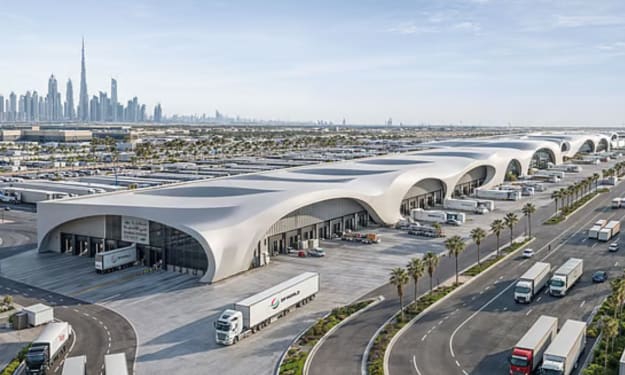
In a significant move that will shape the future of Dubai’s food industry, DP World has unveiled its latest project, the Dubai Food District, as part of an expansion of the Al Aweer Market. This new development is set to revolutionize the region’s food trade, offering state-of-the-art facilities designed to streamline the supply chain, foster innovation, and bolster Dubai’s position as a global hub for food trade. With the rise of global demand for fresh, high-quality food products, this ambitious expansion promises to elevate the UAE’s food sector and enhance the efficiency of food distribution across the region.
By Muhammad Hassanabout a month ago in Earth
From Seal Meat to Ice Sheets: A Century of Reporting From Antarctica. AI-Generated.
Antarctica—the frozen southernmost continent—has long fascinated scientists, explorers, and journalists alike. From the earliest expeditions in the late 19th and early 20th centuries to modern climate research missions, journalists have chronicled Antarctica’s extremes, documenting both its human stories and its environmental mysteries. Over the past century, reporting from this remote and forbidding landscape has evolved dramatically, reflecting changing societal interests, technological advances, and growing concerns about climate change.
By Muhammad Hassanabout a month ago in Earth
Blue Origin Introduces TeraWave: A 6 Tbps Space-Based Network for Global Connectivity. AI-Generated.
Blue Origin, the space exploration company founded by Jeff Bezos, has unveiled its latest ambitious project: TeraWave, a space-based network designed to deliver ultra-fast internet connectivity around the globe. With a staggering capacity of 6 terabits per second (Tbps), TeraWave promises to redefine how people and businesses connect, particularly in remote and underserved areas. The announcement marks a significant step forward in the growing competition among private space companies to provide global satellite internet.
By Muhammad Hassanabout a month ago in Earth
What We Know About the Winter Storm About to Hit the US—and What We Don’t. AI-Generated.
A major winter storm is barreling toward the United States, raising concerns from meteorologists, emergency officials, and residents alike. Across large portions of the country, from the southern plains to the Northeast, communities are preparing for heavy snow, ice, and gusty winds. Yet despite advanced forecasting technology, uncertainty remains about the storm’s timing, intensity, and ultimate impact. Understanding what we know—and what we don’t—can help families and local governments make better preparations for the potentially disruptive weather ahead.
By Muhammad Hassanabout a month ago in Earth
Trump Says Rare Earths Are Part of His Greenland Deal: It’s ‘Completely Bonkers. AI-Generated.
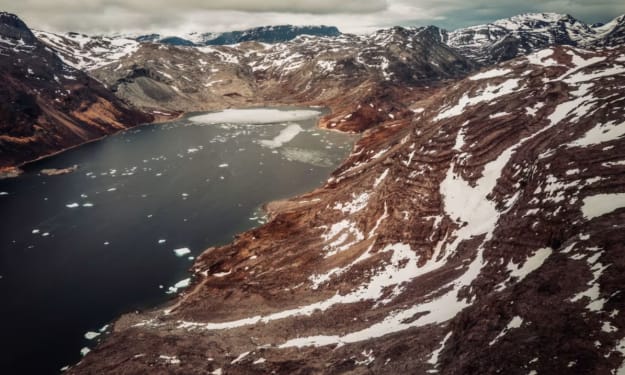
In 2019, former U.S. President Donald Trump stirred controversy by proposing that the United States purchase Greenland, the vast Arctic island governed by Denmark. While many thought the idea was simply outlandish — or even absurd — one of the most unexpected elements of his pitch was his suggestion that the purchase could help secure rare earth elements. Trump’s words that rare earths were a part of his Greenland deal were met with shock and disbelief. Critics quickly dismissed the notion, calling it “completely bonkers.” But what are rare earths, and why would they have mattered in this context? And more importantly, does Trump’s claim about Greenland’s strategic value hold any weight?
By Muhammad Hassanabout a month ago in Earth