
When Home Stops Feeling Like Home
Finding Belonging in Unexpected Places
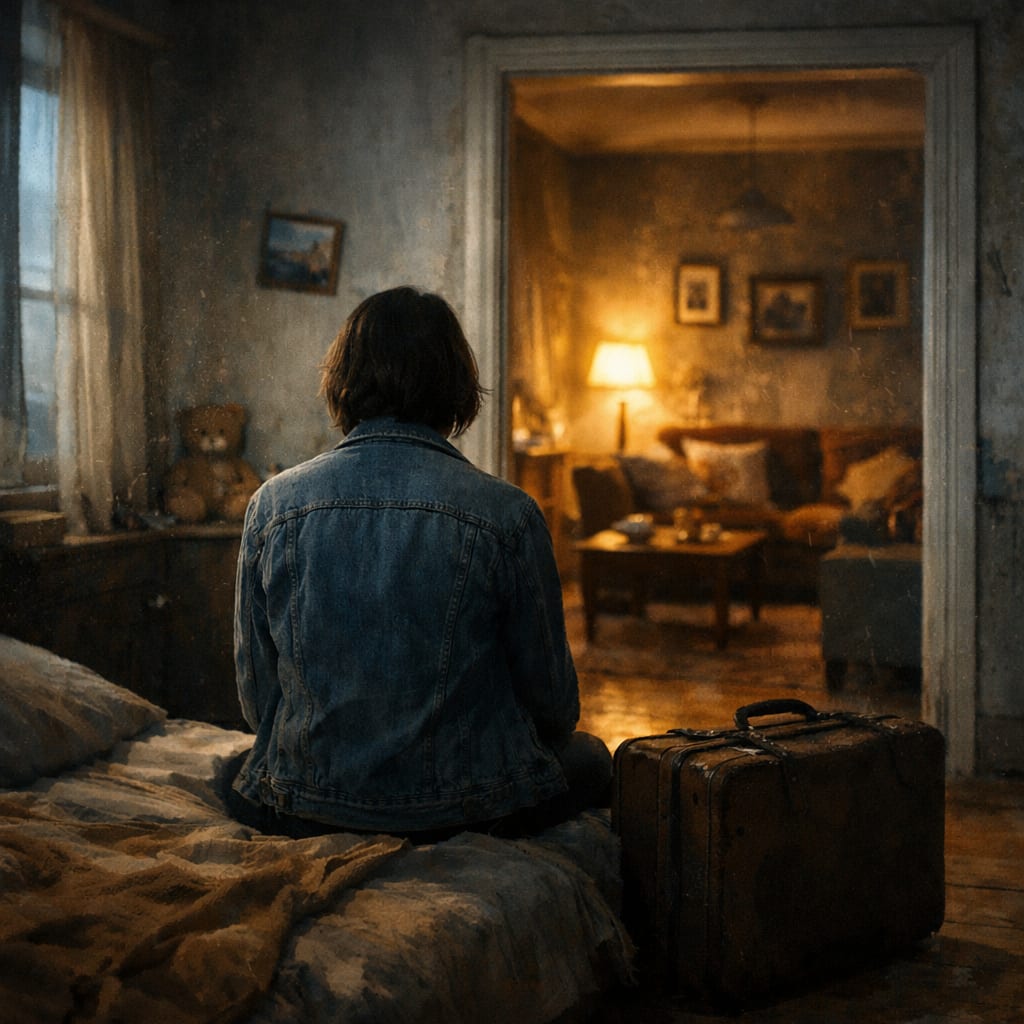
Home is supposed to be the safest word in the language. It is the place we imagine when the world feels too loud, too fast, too unforgiving. It lives in childhood memories — in familiar walls, shared meals, worn-out couches, and the quiet comfort of knowing where everything belongs.
But what happens when that feeling disappears?
What happens when you walk through the front door and feel like a visitor in the very place that once knew you best?
“When home stops feeling like home” is not always about moving houses. Sometimes, the address stays the same — but the emotions attached to it change so deeply that the place becomes unrecognizable.
The Subtle Beginning of Emotional Distance
The shift rarely happens overnight.
It begins quietly.
Maybe conversations grow shorter. The laughter that once echoed through hallways becomes occasional, then rare. People who once understood you without explanation now misunderstand you even when you try to explain everything.
You start spending more time in your room — not for privacy, but for emotional safety.
You begin to feel like you must shrink parts of yourself to keep the peace. You rehearse sentences before speaking. You avoid topics that matter to you. Slowly, the space that once expanded your identity begins to confine it.
And that is often the first sign:
You no longer feel free to be yourself at home.
When Familiar Spaces Feel Foreign
There is a strange grief that comes with emotional displacement.
You still recognize the furniture. The same photos hang on the walls. The kitchen still smells like childhood dinners. Yet something feels off — like watching your life through glass.
You sit in the living room but feel detached from the conversations. You hear your name but don’t feel seen. The physical structure remains, but the emotional architecture has shifted.
Home becomes performative.
You play roles instead of living authentically — the responsible one, the quiet one, the agreeable one, the strong one.
And over time, performance replaces presence.
Growing Into a Different Person
One of the most common reasons home stops feeling like home is growth.
Growth sounds beautiful in theory — self-discovery, healing, evolving perspectives. But growth can create emotional distance from environments that once fit you perfectly.
You start questioning beliefs you were raised with. You form new values. You see family dynamics more clearly — sometimes painfully so.
Conversations that once felt normal begin to feel draining or misaligned. Jokes don’t land the same way. Expectations feel heavier.
It is not always that your home changed.
Sometimes, you did.
And growth often comes with the uncomfortable realization that the place that raised you may not fully understand the person you are becoming.
The Weight of Unspoken Tension
Not all homes are loud in their discomfort. Some are quiet — suffocatingly quiet.
There are no arguments, no slammed doors, no dramatic confrontations. Just tension that lives in pauses, in eye contact avoided, in things left unsaid for years.
You feel it at dinner tables.
You feel it in the way people respond — polite but distant. Present but unavailable.
In these homes, emotional loneliness thrives. You are surrounded by people, yet deeply alone.
And that loneliness feels heavier precisely because you are “home” — the one place you are not supposed to feel lonely at all.
When Safety Turns Into Surveillance
For some, home stops feeling safe when judgment replaces acceptance.
Every decision is questioned. Every choice is criticized. Every difference is magnified.
Instead of comfort, you feel watched.
Instead of support, you feel evaluated.
You start filtering your life — what you share, what you hide, what you pretend. You minimize achievements to avoid envy. You hide struggles to avoid dismissal.
Home becomes a place where you edit yourself.
And self-editing is emotionally exhausting.
Nostalgia: Mourning a Home That Still Exists
One of the most painful aspects of this experience is that the home still physically exists.
You can walk through your childhood bedroom. You can sit in the same backyard. You can open the same fridge.
But the feeling is gone.
You begin to grieve memories while standing in the place where they were created.
You miss versions of people who are still alive — parents who seemed warmer, siblings who felt closer, even past versions of yourself who felt more understood.
It is a unique kind of mourning:
Grieving emotional loss without physical absence.
The Role of Life Transitions
Major life transitions often accelerate this feeling:
Moving away and returning
Marriage or divorce within the family
Financial stress
Loss of a loved one
Career changes
Cultural or generational conflicts
These shifts alter household energy. Roles change. Responsibilities redistribute. Emotional availability fluctuates.
The home you return to after life reshapes you may not be the home you left.
And sometimes, others expect you to remain who you were — even when life has permanently changed you.
Emotional Exile Within Family
There are moments when you realize you no longer feel emotionally included.
Decisions happen without you. Conversations exclude you. Your opinions feel tolerated rather than valued.
You begin to feel like a guest — welcome, but not integral.
This emotional exile is rarely announced. It is felt in subtle ways:
Being the last to know things
Feeling misunderstood repeatedly
Having boundaries dismissed
Feeling like your presence changes the room’s energy
And over time, you stop trying as hard to belong where belonging feels conditional.
Searching for Belonging Elsewhere
When home stops feeling like home, people begin searching — consciously or unconsciously — for belonging in other spaces.
Sometimes it is friendships.
Sometimes workplaces.
Sometimes creative communities.
Sometimes even solitude.
You find yourself exhaling more freely in a café than in your own living room. You share deeper thoughts with strangers than with family.
It is not betrayal — it is emotional survival.
Humans instinctively move toward spaces where they feel seen, heard, and safe.
Belonging is not bound by blood or walls. It is bound by emotional resonance.
Redefining What “Home” Means
At some point, many people reach a transformative realization:
Home is not always a place.
It can be:
A person who understands your silence
A friend who feels like family
A creative space where you feel alive
A city that reflects your spirit
Even your own inner peace
You begin to rebuild the concept of home from the inside out rather than the outside in.
Instead of asking, “Where do I live?” you begin asking, “Where do I feel like myself?”
That shift is powerful — and often healing.
The Guilt That Comes With Outgrowing Home
There is also guilt.
Guilt for wanting distance.
Guilt for feeling disconnected.
Guilt for not feeling grateful enough.
You may question yourself:
“Why don’t I feel comfortable here anymore?”
“Am I ungrateful?”
“Is something wrong with me?”
But emotional misalignment is not ingratitude.
You can love your family and still feel misunderstood. You can appreciate your upbringing and still need different emotional environments.
Growth does not negate love — it simply changes proximity.
Can Home Feel Like Home Again?
Sometimes, yes.
Healing conversations can rebuild bridges. Therapy — individual or family — can unpack years of silence. Time and maturity can soften rigid dynamics.
When people feel safe enough to evolve together, home can transform rather than fracture.
But it requires:
Honest communication
Mutual respect
Emotional accountability
Willingness to see each other anew
Without those, the emotional gap may remain.
And that is a difficult, but real, truth.
Making Peace With Emotional Distance
If home no longer feels like home, the journey forward is not always about fixing the place — but grounding yourself.
It involves:
Accepting what is, not what was
Releasing expectations that cause pain
Building supportive spaces elsewhere
Creating boundaries without hatred
Allowing love to exist without forced closeness
Peace often comes not from reclaiming the old home, but from building a new sense of belonging — internally and externally.
Becoming Your Own Home
Perhaps the most profound transformation happens when you realize:
You can become your own home.
When you cultivate self-acceptance, emotional safety, and inner stability, you carry home within you.
You no longer rely entirely on external spaces for belonging. You create routines, relationships, and environments that reflect who you are now — not who you were expected to be.
And in that process, something beautiful happens:
You stop chasing the feeling of home…
…and start embodying it.
Closing Reflection
When home stops feeling like home, it can feel disorienting — like losing your emotional anchor in the world.
But it is also, strangely, an invitation.
An invitation to grow.
To redefine belonging.
To seek spaces that mirror your truth.
To build connections rooted in authenticity rather than obligation.
Because sometimes, losing the feeling of home is what leads you to discover where — and with whom — you truly belong.
And sometimes…
Home is not the place you return to.
It is the place you finally create.
About the Creator
Keep reading
More stories from Aiman Shahid and writers in Confessions and other communities.
The Day the Berlin Wall Fell
Introduction: A Wall That Divided the World On the night of November 9, 1989, history shifted in a way few had predicted and millions had prayed for. The Berlin Wall — a towering concrete barrier that had divided East and West Berlin for 28 years — began to crumble, not under bombs or invasions, but under the weight of human hope.
By Aiman Shahida day ago in Confessions
Blessed 33
So I woke up on the morning of February 5, 2026 and guess what and you know what I realized? It’s my 33rd birthday. Do you know what that means? Yes, technically I’m getting old, but what I couldn’t have guessed was this would be one of the best days of my life.
By Joe Patterson2 days ago in Confessions
How Healthy Relationships Are Built in Today’s Dating Culture
The modern dating world is a rush with the influence of technology, social media, and evolving demands regarding love and commitment. Having such choice and being always connected, it is a common practice that people enter into relations without knowing their emotional needs. Emotional awareness is a starting point of building healthy relationships, as it entails knowledge of personal values, boundaries, and relationship objectives. When people know what they desire and require emotionally, chances are low that they will accept unhealthy relationships or get lost in issues.
By Robert Smith4 days ago in Confessions
Writing About Writing: The Rainbow Trap
The good thing about living in modern times is that LGBTQ representation in media is increasing. Not just in niche and Independant media, either, but also in mainstream media. Books, movies, TV shows, comics... they're finally catching on that LGBTQ+ people form a significant part of their audience, and deserve to see themselves on screen and in fiction, not just as victims in documentaries and true crime shows.
By Natasja Rose6 days ago in Writers



Comments
There are no comments for this story
Be the first to respond and start the conversation.