
Torkham Border
A Gateway Between Pakistan and Afghanistan

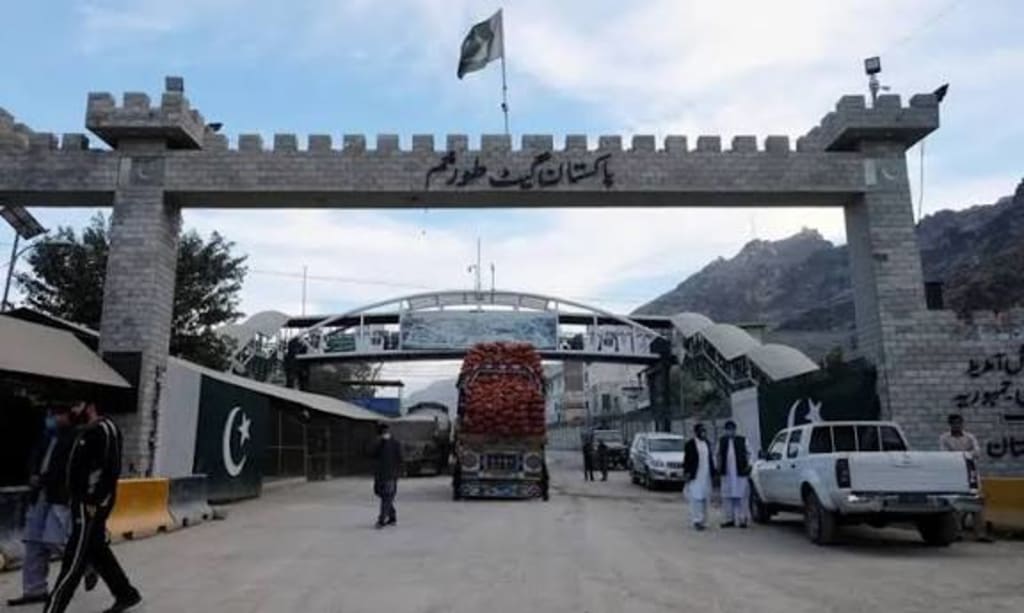
The Torkham Border is a vital link between Pakistan and Afghanistan. It supports trade, travel, and people-to-people connections. This border plays an important role in economic growth and regional cooperation. When managed peacefully and efficiently, Torkham Border helps reduce hardships for traders and travelers. It also strengthens mutual understanding between the two nations. In simple words, the Torkham Border is not just a crossing point, but a symbol of connection, cooperation, and shared future for both countries
The Torkham Border is one of the most important border crossings between Pakistan and Afghanistan. It is not only a physical gateway but also a bridge of history, culture, trade, and human connection. For many decades, this border has played a vital role in shaping the economic and social relationship between the two neighboring countries.
One of the biggest strengths of the Torkham Border is its role in trade and economy. Thousands of trucks carrying essential goods such as food, medicine, fuel, and construction materials pass through this crossing. For Afghanistan, Torkham serves as a major supply route, while for Pakistan it provides access to regional markets. When the border remains open and smooth, it supports businesses, creates jobs, and improves livelihoods on both sides.
The border is also very important for people’s movement. Many Afghans travel through Torkham for medical treatment, education, work, and family visits in Pakistan. At the same time, Pakistani traders and workers also depend on this route. For border communities, Torkham is not just a crossing point but a part of daily life. Many families are divided by the border, making it emotionally and socially significant.
However, the Torkham Border also faces challenges. Security concerns, political tensions, and strict documentation rules sometimes lead to border closures. These closures cause delays, financial losses, and hardship for ordinary people. Long queues of trucks and travelers show how deeply both countries depend on this route. These challenges highlight the need for better coordination, trust, and long-term planning.
Strong security and management are necessary at Torkham Border, but they should be balanced with ease for legal trade and travel. Modern systems, clear policies, and cooperation between both countries can reduce problems. When border management improves, it can help stop illegal activities while still supporting lawful movement.
Beyond economics and security, the Torkham Border is a symbol of shared history and culture. The people living on both sides share language, traditions, and values. This shared identity reminds us that borders should not only divide but also connect. Peaceful cooperation at Torkham can build confidence and promote regional stability.
In conclusion, the Torkham Border is a lifeline for Pakistan and Afghanistan. Its importance goes beyond geography—it affects economies, families, and future relations. By keeping the border peaceful, open, and well-managed, both countries can benefit greatly. A stable and cooperative Torkham Border can become a source of growth, understanding, and hope for the entire region.
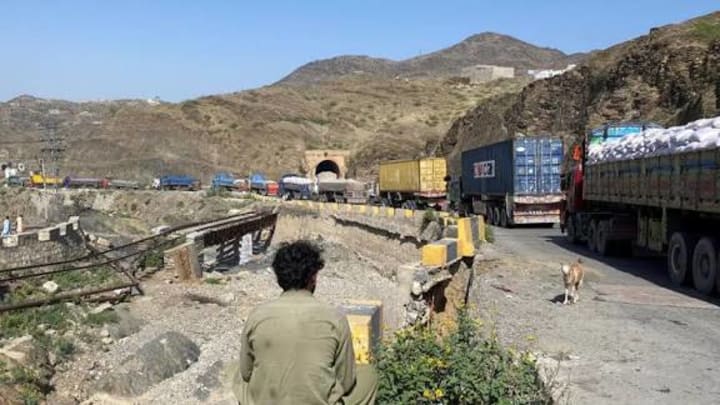
The truckload issue at the Torkham Border is a serious problem that affects trade and daily life between Pakistan and Afghanistan. Every day, hundreds of trucks carry goods such as food, medicine, fuel, and construction materials through this border. When truckload issues arise, trade slows down and losses increase.
One major problem is border delays. Due to strict checking, document issues, or sudden border closures, trucks often remain stuck for many hours or even days. This causes long queues on both sides of the border. Perishable goods like fruits and vegetables can get damaged, leading to financial loss for traders.
Another issue is documentation and clearance. Sometimes trucks are stopped because of incomplete papers, visa problems of drivers, or changes in border rules. Poor communication between authorities and traders makes the situation worse. Drivers face stress, lack of food, and poor living conditions while waiting.
Security concerns also play a role. When tensions rise, authorities increase checks or temporarily close the border. While security is important, frequent closures disturb trade flow and hurt small businesses that depend on daily border movement.
The truckload issue also affects local economies. Transporters, shopkeepers, and laborers near the border suffer when trade is slow. Delays increase transportation costs, which finally raise prices for common people.
In conclusion, the truckload issue at Torkham Border needs better planning and cooperation. Faster clearance systems, clear rules, and coordination between both countries can reduce delays. Solving these issues will help trade move smoothly and reduce hardship for drivers, traders, and border communities.
About the Creator
shaoor afridi
“I am a passionate writer dedicated to sharing informative, engaging, and well-researched articles. My goal is to provide valuable content that educates, inspires, and adds real value to readers.”
Keep reading
More stories from shaoor afridi and writers in Confessions and other communities.
Relationship
A relationship is a connection between two people that is built on love, trust, and understanding. It is not only about happy moments but also about standing together during difficult times. A strong relationship helps people grow emotionally and feel supported in life.
By shaoor afridiabout a month ago in Confessions
Thoughts on Vocal and the way the world is
"Death cannot stop true love, only delay it." – Wesley in The Princess Bride. I decided to come back to Vocal on a very cold and dark night at the end of December. I had been, and still am, convalescing from a horrible staph infection that had gone misdiagnosed for months. This, paired with the increasing challenges of being healthy, making the best choices for my co-parented child, being a wife, and being a director at a new job, was a lot to manage.
By Jazzy 16 days ago in Confessions
ORCHID
I would like to have a specific order to start this story, but I just want to start by remembering that day I saw a movie "The Orchid" if I remember correctly, where a girl no longer felt happy in her marriage and was able to cheat on her husband with another man, but not only that is that I felt so identified as she was so fragile before a look as penetrating as that of her lover, who desired her and looked at her with love and intrigue, that man who felt that she was a trophy that she wanted but could not touch. That feeling of the lover towards her, that vibe of energies that vibrate in a thousand colors throughout the body, but are trapped in it, that kind of vibrant sensation of wanting to shout it, but not being able to do it, because that's simply what was incredible for me at the time of watching the movie, I thought how beautiful love is even if it was forbidden, But is that really forbidden what makes those strong gazes and compact energies stronger?
By Adriana Herrera7 days ago in Confessions
Cabin Fever Because of Snow, Sleet, and Freezing Rain That Turned to Icy Roads
What Is Cabin Fever? The short answer is that cabin fever is restlessness from being in a confined area. Cabin fever is the distressing irritability or restlessness experienced when a person or group is stuck at an isolated location or in confined quarters for an extended time. Research shows that prolonged cold, gray skies, and being stuck indoors can trigger mood shifts similar to “winter blues.”
By Margaret Minnicks2 days ago in Humans



Comments
There are no comments for this story
Be the first to respond and start the conversation.