Stories (45)
Filter by community
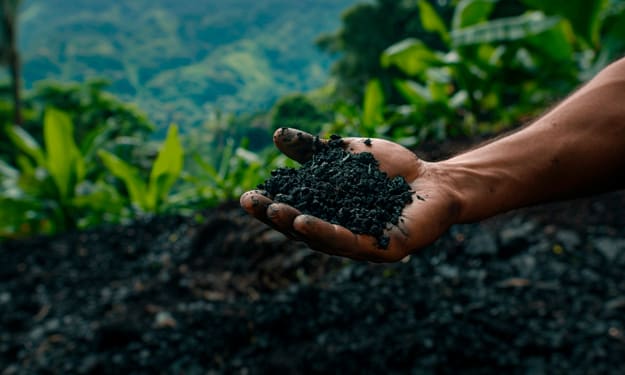
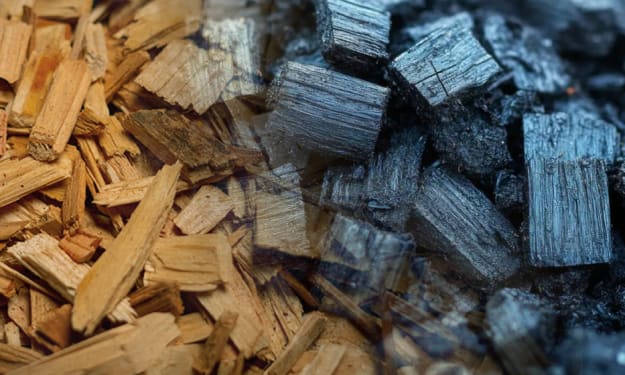
Thermal Parameters Governing Biochar Yield in Pyrolysis
In a pyrolysis plant, the operational temperature profile is one of the most critical variables influencing the yield and characteristics of biochar. The conversion of biomass into stable carbonaceous material occurs through complex thermochemical reactions, and each temperature range initiates distinct physicochemical transformations.
By Wayne Shen6 months ago in Journal
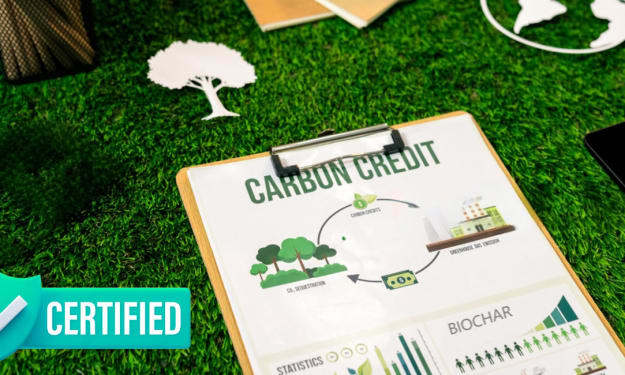
Market Viability of Biochar Carbon Removal Projects
As the global economy intensifies its pursuit of net-zero emissions, biochar-based carbon removal projects are emerging as pivotal assets in the climate mitigation portfolio. Derived from thermochemical conversion of biomass in an oxygen-limited environment, biochar not only functions as a stable carbon sink but also serves as a co-beneficial soil amendment. The commercialization of this pathway is accelerating, supported by advancements in pyrolysis plant infrastructure and the monetization of carbon removal credits.
By Wayne Shen6 months ago in Earth
Pyrolysis as a Regenerative Catalyst in Agricultural Circular System
Agricultural systems worldwide are under increasing pressure to address waste, enhance soil productivity, and reduce dependence on fossil-derived inputs. Pyrolysis technology, particularly when deployed through a modern pyrolysis plant, offers a viable pathway toward a closed-loop agricultural economy. By converting organic residues into carbon-rich biochar and energy-dense gases and oils, pyrolysis enables the reintegration of nutrients and carbon back into farmland, while also offsetting emissions.
By Wayne Shen6 months ago in Earth
Advancing Europe's Climate Agenda
As Europe intensifies its commitment to net-zero targets, biochar has emerged as a pivotal instrument in the region’s carbon removal toolkit. Unlike conventional carbon offset strategies that merely delay emissions, biochar sequesters carbon in a stable, solid form that can persist in soils for centuries. This dual functionality—as a soil amendment and as a climate mitigation technology—positions biochar uniquely in the evolving European decarbonization landscape.
By Wayne Shen7 months ago in Earth
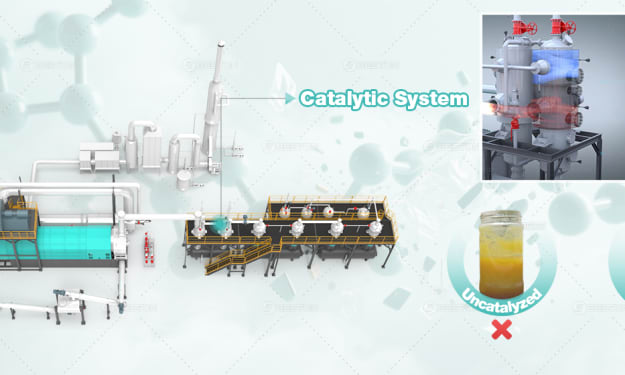
The Rise of Plastic Pyrolysis in Recycling Strategy
Plastic pyrolysis has emerged as a pivotal player in global recycling strategies, particularly as conventional waste management infrastructures falter under the weight of escalating plastic waste. As mechanical recycling encounters limitations in feedstock quality, contamination, and polymer diversity, pyrolysis technology steps into the foreground as a thermochemical alternative with broader material compatibility and end-product utility.
By Wayne Shen7 months ago in Earth
Exploring the Sustainable Role of Biochar in the Construction Sector
Biochar, a product of the pyrolysis process, is rapidly gaining attention in various industries for its environmental and economic benefits. While it has traditionally been used in agriculture as a soil amendment, the potential applications of biochar in the construction industry are becoming increasingly evident. The use of biochar in construction is a promising sustainable alternative to conventional materials, offering numerous advantages, from carbon sequestration to enhanced material properties.
By Wayne Shen7 months ago in Earth
Economic Viability of Rice Husk Charcoal Projects in Emerging Market
Rice husk, an abundant byproduct of global paddy milling operations, represents an undervalued feedstock for charcoal production. With high silica content, low bulk density, and a challenging combustion profile, it was historically discarded or burned inefficiently. However, thermal conversion technologies—particularly in the form of carbonisation reactors and continuous pyrolysis systems—are unlocking the latent value of rice husk through biochar production.
By Wayne Shen8 months ago in Earth
Naphtha as a High‑Value Output from Plastic Pyrolysis
Plastic pyrolysis converts mixed or contaminated polymer streams into liquid hydrocarbons, permanently diverting them from landfill or incineration. Among the liquid fractions, naphtha is the most commercially significant because it integrates directly into existing petrochemical value chains.
By Wayne Shen8 months ago in Earth
Key Industries for Wood Charcoal Production
Wood charcoal has a long history of use across various industries due to its versatility, high energy content, and environmentally friendly properties. As a renewable resource, wood charcoal is a valuable commodity in several sectors. From traditional applications to emerging uses, its role has grown significantly, particularly with the shift towards more sustainable industrial practices. Below are several industries where wood charcoal production is essential and where its benefits are increasingly recognized.
By Wayne Shen8 months ago in Earth
Rubber Reorganization in Tire Pyrolysis
Tire pyrolysis is a highly effective method for recycling used tires, converting them into valuable products such as oil, gas, and char. One of the key mechanisms driving the process is the reorganization of rubber components within the tire. Understanding how rubber reorganizes during pyrolysis is essential for optimizing the efficiency of a pyrolysis plant and enhancing the quality of the resulting by-products. The rubber in tires, primarily composed of a complex blend of synthetic and natural rubber, undergoes a series of chemical transformations when subjected to high temperatures in the absence of oxygen.
By Wayne Shen8 months ago in Earth
Reducing Carbon Footprint in Construction
The construction industry is a significant contributor to global carbon emissions, accounting for approximately 40% of the total CO₂ emissions. However, innovative solutions like biochar production are emerging as viable options to mitigate the environmental impact of building and infrastructure development. Biochar, a carbon-rich material produced through the pyrolysis of organic waste, offers multiple pathways to reduce the carbon footprint of the construction sector.
By Wayne Shen9 months ago in Earth
Catalyzing Energy Transition Through Plastic Pyrolysis Recycling
The intensifying global demand for alternative energy sources has positioned plastic pyrolysis at the forefront of the energy transformation narrative. As plastic waste accumulates at unsustainable rates, pyrolysis offers a dual-benefit solution—mitigating environmental degradation while generating hydrocarbon-rich fuels. This waste-to-energy process, particularly plastic to oil conversion, underscores a viable pathway toward a diversified and circular energy economy.
By Wayne Shen9 months ago in Earth