Fiaz Ahmed
Bio
I am Fiaz Ahmed. I am a passionate writer. I love covering trending topics and breaking news. With a sharp eye for what’s happening around the world, and crafts timely and engaging stories that keep readers informed and updated.
Stories (1197)
Filter by community
UAE Weather Tomorrow: Rains Likely; Temperatures to Rise. AI-Generated.
The United Arab Emirates is preparing for a change in its weather conditions as forecasters predict rain and rising temperatures across the country tomorrow. Residents and travelers are advised to stay updated with local weather alerts, as the shift could affect daily activities, traffic, and outdoor events. Meteorologists have noted that this weather pattern is part of a seasonal transition, bringing a mix of showers, mild winds, and warmer daytime temperatures. The change comes after several days of relatively dry and moderate weather across the UAE. Expected Weather Conditions According to the National Centre of Meteorology (NCM), the UAE will experience partly cloudy skies in most areas, with chances of scattered rain showers in some regions. Temperatures are expected to rise slightly, reaching maximums higher than the recent average for this time of year. Specific forecasts for major cities include: Abu Dhabi: Cloudy periods with isolated showers; temperatures between 22°C and 30°C Dubai: Sunny to partly cloudy with chances of light rain; temperatures around 24°C–31°C Sharjah: Light rain expected in some areas; highs of 30°C Northern Emirates (Ras Al Khaimah, Fujairah): Increased cloud cover with scattered showers; temperatures between 20°C and 29°C The NCM has also issued a notice for occasional gusty winds, particularly along coastal areas, which may affect marine activities and beachgoers. Causes of the Weather Change Meteorologists explain that the predicted rains and temperature rise are linked to: Shifting air masses: Cooler air from the north interacting with the warmer Gulf air is causing cloud formation and occasional rain. Seasonal transition: As the UAE moves towards its warmer months, temperatures naturally rise, even as intermittent rain falls in some areas. Regional atmospheric disturbances: Occasional low-pressure systems over the Arabian Peninsula bring moisture from surrounding seas, increasing rain potential. While the rain is expected to be light to moderate, it can temporarily affect visibility and road conditions, especially in areas prone to water accumulation. Impact on Daily Life Residents and visitors are advised to consider the following due to the changing weather: Road Safety: Rain may make roads slippery. Drivers are encouraged to maintain safe speeds and keep a safe distance from other vehicles. Travel Plans: Flight schedules may experience minor delays due to weather-related air traffic adjustments. Outdoor Activities: Those planning outdoor events, picnics, or beach visits should check local forecasts and be prepared for sudden showers. Marine Conditions: Boating and fishing enthusiasts should note choppy seas due to gusty winds, particularly along the UAE coastline. Temperature Trends While rain is expected, temperatures are forecasted to rise slightly across the country. Daytime highs will generally reach 30°C to 31°C in major cities, with cooler early mornings between 20°C and 24°C. Meteorologists emphasize that even with rain, the overall trend points toward warmer daytime conditions, marking a transition into the pre-summer period. Nights may remain slightly cooler, offering relief from the daytime heat. Preparation and Precautionary Measures Weather experts advise the public to take simple precautionary measures: Carry umbrellas or raincoats when moving outdoors. Check local weather apps and official NCM updates regularly. Drive cautiously on wet roads and follow traffic advisories. Secure outdoor items such as furniture, tents, or decorations that could be affected by gusty winds. Stay informed about marine weather updates if engaging in boating or fishing activities. By taking these precautions, residents can safely navigate the changes in weather without significant disruption to daily life. Regional Weather Patterns The UAE’s weather is influenced by its desert climate, but seasonal shifts and occasional regional disturbances often bring short-term rainfall and temperature variations. Northern Emirates: More likely to receive rain due to proximity to the Hajar Mountains, which can trap moist air and cause showers. Central and Southern Emirates: Rain is usually less frequent, but isolated showers can occur, particularly near coastal regions. Coastal Areas: Experience higher humidity and occasional gusty winds, especially when rain systems pass through. Expert Advice Experts from the NCM stress that such weather changes are normal and seasonal. While heavy rains are unlikely, even light showers can temporarily affect commuting, outdoor plans, and local businesses. Meteorologists also advise keeping an eye on short-term forecasts, as local weather can shift rapidly due to regional atmospheric changes. Conclusion Tomorrow, the UAE can expect a mix of rain showers and rising temperatures, signaling a shift in the seasonal weather pattern. Residents are encouraged to stay informed, take necessary precautions, and plan outdoor activities carefully. While the rain may be light and scattered, its presence reminds everyone that even in a predominantly arid country, weather conditions can change quickly, affecting roads, travel, and daily life. With proper awareness and preparation, the UAE’s residents and visitors can navigate these weather changes safely while enjoying the mild rainfall and warmer daytime temperatures.
By Fiaz Ahmed about a month ago in Earth
UAE Exits Islamabad Airport Outsourcing Plan, Pakistan Moves Toward Privatisation. AI-Generated.
In a significant development, the United Arab Emirates (UAE) has pulled out of its planned outsourcing deal for Islamabad International Airport, paving the way for Pakistan to explore alternative options for privatisation and management of the national gateway. The decision marks a shift in Pakistan’s approach to modernizing its key infrastructure and reflects ongoing challenges in attracting international investors.
By Fiaz Ahmed about a month ago in Wander
Cargo Ship Capsizes Off Scarborough; 13 Filipino Crew Rescued. AI-Generated.
A cargo ship capsized off the coast of Scarborough this week, prompting a swift and coordinated rescue operation. Authorities confirmed that all 13 Filipino crew members aboard the vessel were rescued safely, though the incident has raised concerns about maritime safety and the risks faced by commercial shipping crews. The event highlights both the dangerous conditions of modern shipping and the importance of international cooperation in ensuring the safety of sailors at sea. The Incident According to officials, the cargo ship encountered rough seas and high winds while navigating the North Sea near Scarborough. The vessel reportedly lost stability and capsized, forcing the crew to send an emergency distress signal. Coastguard teams responded immediately, deploying rescue boats and helicopters to reach the crew. After several hours of challenging operations, all 13 crew members were rescued, and there were no reported fatalities or serious injuries. Crew Background The crew, all Filipino nationals, were part of the ship’s regular operational team. Authorities praised their calm and professional response during the emergency, which contributed to the successful rescue. Officials also highlighted the rigorous training that commercial crews receive, which prepares them for emergency situations such as capsizing, fires, or severe weather at sea. Maritime Safety Concerns The incident has drawn attention to maritime safety and the vulnerabilities of cargo ships, especially in rough waters. Experts note that capsizing can occur due to: Severe weather conditions Improper cargo loading or imbalance Structural weaknesses or mechanical failures Human error during navigation Authorities are now investigating the exact cause of the capsizing, including whether the vessel met international safety standards and if weather warnings were adequately heeded. Rescue Efforts The rescue operation involved multiple agencies, including the UK Coastguard, Scarborough lifeboat teams, and local maritime authorities. Helicopters were dispatched to airlift crew members in dangerous conditions, and lifeboats maneuvered carefully in rough seas to reach the overturned vessel. Coastguard officials emphasized the importance of rapid response in preventing casualties at sea. The successful rescue was attributed to efficient coordination and modern maritime technology, including GPS tracking and real-time communication with the distressed ship. Global Shipping Context Cargo ships transport millions of tons of goods across the world daily, but shipping remains one of the most hazardous professions. According to international maritime organizations, thousands of incidents occur each year due to weather, mechanical failure, or human error. The Scarborough incident serves as a reminder of the risks faced by seafarers and the critical importance of international safety protocols, crew training, and emergency preparedness. Filipino Crew Safety The Filipino government has long emphasized the welfare of its nationals working overseas in maritime professions. The successful rescue will reassure families and authorities about the importance of proper training and safety protocols. The Philippines is one of the largest providers of merchant mariners worldwide, and incidents like this underscore the need for ongoing support, monitoring, and training programs for Filipino seafarers working abroad. Investigations Underway Authorities have launched a formal investigation to determine the exact cause of the capsizing. Key areas of focus include: Weather conditions and forecasting accuracy Cargo stability and load distribution Ship maintenance and structural integrity Crew actions and emergency response The investigation will help inform future safety measures and prevent similar incidents in the future. Community and Public Response The local community in Scarborough and maritime enthusiasts worldwide expressed relief at the successful rescue. Social media has seen an outpouring of support, highlighting the bravery of the crew and the rescuers. Experts suggest that public attention to such events can encourage better compliance with safety regulations and increased awareness of the risks faced by maritime professionals. Lessons Learned While no lives were lost, the incident serves as a cautionary tale about the unpredictable nature of the sea. It also highlights: The value of training and preparedness in maritime professions The importance of coordinated rescue operations The need for continued investment in ship safety and monitoring technologies Maritime authorities stress that incidents like this, although rare, reinforce global standards for shipping safety and emergency response readiness. Conclusion The capsizing of the cargo ship off Scarborough underscores both the dangers of modern maritime work and the effectiveness of emergency response systems. With all 13 Filipino crew members rescued safely, the event is a reminder of the bravery, skill, and resilience of seafarers worldwide. As investigations continue, authorities hope to uncover lessons that will improve safety, prevent future accidents, and protect the lives of those who work tirelessly at sea. In a world dependent on global shipping, safeguarding crew members is as critical as ensuring the cargo they transport.
By Fiaz Ahmed about a month ago in The Swamp
HMS Richmond to Be Decommissioned This Year – Royal Navy Down to Six Frigates. AI-Generated.
The Royal Navy is preparing to decommission HMS Richmond later this year, marking a significant reduction in its fleet of frigates. Once a vital component of Britain’s maritime defense, HMS Richmond has served in numerous missions worldwide, showcasing the Royal Navy’s capabilities. With its retirement, the number of active frigates will drop to just six, raising questions about the navy’s operational capacity in the years ahead.
By Fiaz Ahmed about a month ago in The Swamp
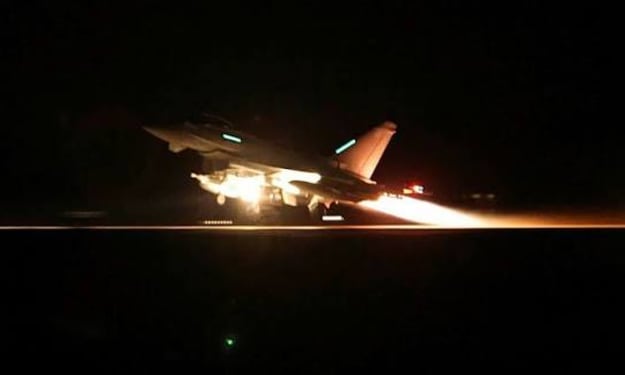
UK Deploys Typhoon Jets to Qatar in Middle East. AI-Generated.
The United Kingdom has deployed its Typhoon fighter jets to Qatar, signaling an increased military presence in the Middle East. Officials from the Royal Air Force (RAF) emphasized that the move is part of ongoing efforts to enhance regional security, strengthen alliances, and deter potential threats.
By Fiaz Ahmed about a month ago in The Swamp
UAE Abruptly Cuts Aid to Vital Hospitals After Withdrawing from Yemen. AI-Generated.
The United Arab Emirates (UAE) has abruptly cut aid to several key hospitals in Yemen, following its recent decision to withdraw from military operations in the conflict-ridden country. The move has raised serious concerns about the future of healthcare and humanitarian support in Yemen, where millions already face severe shortages of medical care, food, and clean water. Humanitarian organizations warn that this sudden reduction in funding could exacerbate an already dire health crisis, particularly for vulnerable populations, including women, children, and the elderly. UAE’s Withdrawal from Yemen The UAE had been a major player in the coalition that intervened in Yemen’s civil war. Its involvement included military operations, logistical support, and humanitarian assistance. However, the country recently announced its decision to scale back military engagement, citing strategic realignments and domestic priorities. While the UAE’s withdrawal may signal a shift in regional policy, its impact is being felt immediately on the ground, especially in hospitals and clinics that relied heavily on UAE aid for staffing, supplies, and equipment. Impact on Yemen’s Healthcare System Yemen’s healthcare system has been under strain for years due to ongoing conflict, blockades, and chronic underfunding. The UAE’s aid had supported several vital services, including: Emergency care for war victims Treatment of chronic illnesses Maternal and child health services Medical supplies and equipment for hospitals With this funding cut, hospitals face staff shortages, lack of essential medicines, and reduced capacity to treat patients. Health officials warn that some facilities may be forced to limit services or close entirely, leaving communities without access to life-saving care. Humanitarian Concerns International humanitarian organizations have expressed alarm at the timing and scale of the aid reduction. The World Health Organization (WHO) and other agencies emphasize that Yemen is already facing multiple overlapping crises, including: Food insecurity affecting millions Outbreaks of preventable diseases Displacement of families due to conflict Infrastructure collapse in urban and rural areas Aid cuts threaten to worsen these crises, potentially leading to higher mortality rates and deeper social instability. Regional and Global Reactions The UAE’s decision has drawn reactions from governments and NGOs worldwide. While some analysts note that strategic realignment is a sovereign decision, others stress the moral responsibility to maintain humanitarian support. Experts warn that the reduction could strain relations with international organizations and impact Yemen’s recovery efforts. They also highlight the need for other donors and coalition partners to fill the gap, to prevent further deterioration of healthcare services. Challenges Facing Hospitals Hospital administrators in Yemen are reporting immediate challenges due to the funding cuts: Staffing Shortages – Many hospitals relied on UAE-funded salaries for doctors, nurses, and technical staff. Without this support, personnel may leave or reduce hours. Medical Supplies – Critical medications, surgical tools, and equipment maintenance were partly funded by UAE contributions. Supply chains may now be disrupted. Operational Costs – Electricity, water, and facility maintenance often depended on external aid. Cuts could force hospitals to reduce services or shut down. The combination of these challenges could increase patient mortality and further strain communities already affected by conflict. Human Stories Patients and healthcare workers on the ground report worrying conditions. Mothers bringing children for treatment, war-injured civilians, and people with chronic illnesses face uncertain access to care. Healthcare workers describe long hours, limited supplies, and the moral burden of turning away patients due to lack of resources. Humanitarian organizations stress that every day counts, and the loss of support could have life-threatening consequences for tens of thousands of Yemenis. Broader Implications The UAE’s aid reduction underscores broader issues: Dependency on external donors – Yemen’s health system is heavily reliant on foreign aid, highlighting vulnerability to sudden funding changes. Fragility of conflict-affected states – Sudden shifts in international support can have immediate, severe consequences on civilian populations. Importance of coordinated aid – The situation demonstrates the need for international collaboration to maintain stability and healthcare delivery. Calls for Action International agencies, including the United Nations, have urged the UAE to consider transitional support measures, ensuring hospitals can continue operations while alternative funding is secured. Some recommendations include: Short-term emergency funding from other donors Partnerships with NGOs to maintain hospital staffing and supplies Rapid response plans for critical healthcare services The urgency is clear: without immediate action, Yemen’s healthcare system could face a crisis within weeks. Conclusion The UAE’s abrupt reduction of aid to vital hospitals in Yemen highlights the fragility of healthcare systems in conflict zones. While geopolitical and strategic considerations may guide the UAE’s decision, the immediate impact falls on millions of civilians who depend on these hospitals for survival. Humanitarian experts warn that coordinated international support is essential to prevent further suffering. As Yemen navigates this new challenge, the world watches closely, emphasizing the moral and practical importance of sustaining healthcare in regions affected by war and instability.
By Fiaz Ahmed about a month ago in The Swamp
A Century in the Siberian Wilderness: The Old Believers Who Time Forgot. AI-Generated.
Deep in the vast and icy expanses of Siberia, there exists a community that has lived almost untouched by the modern world for over a century. Known as the Old Believers, these people follow an ancient branch of Russian Orthodoxy, preserving rituals, traditions, and a way of life that has largely disappeared elsewhere. Their story is one of faith, resilience, and a deliberate retreat from the pressures of modern society. Who Are the Old Believers? The Old Believers originated in the 17th century, during a period of religious reform in Russia. When the Russian Orthodox Church attempted to standardize rituals and texts, some believers rejected these changes, insisting on preserving the original practices. This refusal to conform led to persecution, forcing many Old Believers to flee to remote regions of Russia. Over time, some groups migrated to Siberia, where isolation allowed them to practice their faith freely and maintain centuries-old traditions. Their communities remain small, tight-knit, and remarkably self-sufficient. Life in the Siberian Wilderness Life for the Old Believers in Siberia is harsh and demanding, shaped by extreme cold, dense forests, and remote landscapes. Most families live in wooden houses heated by stoves, and they rely on farming, hunting, and fishing to sustain themselves. Modern conveniences such as electricity, cars, and the internet are rare or entirely absent. Daily life revolves around faith, family, and community. Men and women have clearly defined roles: men often work the land, chop wood, or tend to livestock, while women prepare food, care for children, and maintain the home. Despite the challenges, these communities thrive. Their knowledge of the land and self-reliance enables them to endure long, bitter winters and seasonal hardships. Faith at the Core Religion is the foundation of Old Believer life. Services are conducted in ancient Slavonic, using rituals and chants that date back hundreds of years. They reject modernizations of church practices, holding fast to the liturgical books and customs of pre-reform Russian Orthodoxy. Faith is not only a spiritual practice but also a guide for daily conduct. Their belief system shapes everything from diet and clothing to family life and social interactions. Community members see adherence to tradition as a moral duty and a way to honor their ancestors. Preserving Tradition in Isolation The Old Believers’ remoteness has been both a blessing and a challenge. It allowed them to preserve rituals, crafts, and customs that disappeared elsewhere, but it also meant limited access to healthcare, education, and infrastructure. Schools in these communities are often small, teaching basic literacy and arithmetic alongside religious instruction. Modern technology is used sparingly, usually only when necessary to contact the outside world or acquire supplies. Despite these constraints, the community has successfully passed down knowledge and traditions from generation to generation, a rare achievement in the modern era. Challenges of the Modern World While isolation has preserved their culture, it also poses challenges. Younger generations face temptation from the outside world, including education, technology, and employment opportunities. Some leave for cities, seeking a different life, while others return, drawn by family ties and faith. Environmental changes in Siberia, such as deforestation and climate shifts, also affect their traditional ways of living. Hunting, fishing, and agriculture are increasingly unpredictable, requiring adaptation while still adhering to centuries-old practices. Cultural Significance The Old Believers are more than a historical curiosity—they are living guardians of Russian heritage. Their songs, iconography, and craftsmanship reflect a rich artistic and spiritual tradition. Scholars and anthropologists study these communities to understand pre-modern Russian culture and the ways faith can shape society over centuries. Tourism is limited, but those who do visit are often struck by the discipline, simplicity, and resilience of these communities. They offer a rare glimpse into a way of life largely untouched by globalized culture. Lessons from the Old Believers The story of the Old Believers offers several lessons: Resilience: Surviving in the harsh Siberian wilderness requires courage, ingenuity, and determination. Faith and community: Shared beliefs and close-knit bonds provide social cohesion and emotional support. Preservation of culture: Maintaining traditions in isolation shows how communities can protect identity across centuries. Balance with nature: Dependence on local resources encourages sustainable living and deep respect for the environment. In a world dominated by technology and rapid change, the Old Believers remind us of the value of simplicity, tradition, and connection to nature. Looking Ahead While the Old Believers continue to live largely apart from modern society, the pressures of climate change, globalization, and urban migration may impact them in the coming decades. Many communities are exploring carefully balanced ways to adapt, such as limited use of technology for communication and education while preserving core traditions. As long as these communities endure, they provide a unique window into a past that has been largely forgotten, preserving a spiritual and cultural legacy that modern life often overlooks. Conclusion The Old Believers of Siberia have spent a century living on the fringes of the modern world, maintaining faith, culture, and community against incredible odds. Their story is a testament to human resilience, devotion, and the enduring power of tradition. In the silent forests and frozen rivers of Siberia, they continue a way of life that seems almost timeless—a living link to Russia’s spiritual and cultural history, reminding the world that even in isolation, faith and tradition can thrive.
By Fiaz Ahmed about a month ago in Humans
Australia Just Took Delivery Of One Of Its Most Powerful Weapons. AI-Generated.
Australia has officially taken delivery of one of its most powerful weapons, marking a significant step in modernizing its defense capabilities. The new system, hailed by defense officials as a “game-changer,” is expected to strengthen the nation’s ability to respond to potential threats and enhance its position in regional security. The acquisition reflects Australia’s commitment to upgrading its military hardware in a period of growing geopolitical uncertainty in the Indo-Pacific region. What the Weapon Is While official details remain partly classified, defense sources confirm that the weapon is a long-range precision strike system, designed to operate across multiple platforms. Analysts describe it as capable of: Engaging distant targets with high accuracy Providing rapid response in emergency scenarios Integrating with existing defense networks for real-time coordination The system is considered one of the most advanced in the Australian arsenal, comparable to the top military equipment of allied nations. Strategic Significance Officials argue that the new weapon will serve several purposes: Deterrence: Strengthening Australia’s defensive posture to discourage potential aggression. Force Multiplication: Allowing fewer troops to cover larger operational areas effectively. Regional Stability: Contributing to Australia’s role in supporting peace and security across the Indo-Pacific. With rising tensions in the region, particularly related to the South China Sea and neighboring territories, the addition of this weapon gives Australia greater strategic flexibility and strengthens partnerships with allies. Delivery and Deployment The weapon system arrived in Australia under tight security, reflecting its strategic importance. Military officials confirmed that training and integration into existing forces will take several months, ensuring that personnel are fully prepared to operate it safely and effectively. Defense analysts note that delivery is only the first step in a long process of operational readiness. The system must be tested extensively under real-world conditions, integrated with command and control networks, and maintained at peak readiness. Implications for Australia’s Military Capabilities This acquisition significantly enhances Australia’s defense capabilities, particularly in areas such as: Long-range precision strikes: The system allows military planners to engage targets at greater distances with high accuracy. Interoperability: Designed to work seamlessly with allied forces, improving joint operations. Deterrence: The presence of advanced systems signals to potential adversaries that Australia is prepared and capable. Experts suggest that this system will be particularly valuable for rapid response missions and in scenarios where traditional platforms may be limited. Regional Reactions The delivery has drawn attention from neighboring countries and defense observers worldwide. While Australia emphasizes that the system is defensive in nature, analysts note that its introduction will likely influence regional military calculations. Allied nations have welcomed the move, seeing it as a reinforcement of collective security arrangements. At the same time, some observers caution that the deployment may spark an arms competition, underscoring the delicate balance between security and escalation. Historical Context Australia has gradually upgraded its military capabilities over the past two decades, reflecting both technological advancements and changing strategic priorities. The acquisition of this weapon follows earlier investments in: Advanced fighter aircraft Submarines and naval vessels Cybersecurity and intelligence infrastructure The new weapon represents a continuation of Australia’s efforts to maintain a credible and modern defense force capable of protecting its territory and interests. Expert Opinions Defense experts have highlighted several key points: Modernization: The weapon reflects a broader trend of modernization and integration of technology in defense. Strategic Signal: Delivery serves as a signal to both allies and potential adversaries of Australia’s commitment to security. Operational Impact: While powerful, the system will require careful planning, training, and support to realize its full potential. Analysts also caution that technology alone does not guarantee security; strategy, personnel, and alliances remain critical components. Looking Ahead Military officials stress that the delivery is just the beginning. Future steps include: Operational testing and drills Integration with other platforms and systems Developing new doctrines and tactics to maximize effectiveness As Australia continues to modernize its defense infrastructure, this weapon is expected to become a central component of its strategic planning and regional defense posture. Conclusion The delivery of one of Australia’s most powerful weapons marks a significant moment in the nation’s defense journey. While it strengthens security and enhances capabilities, experts emphasize that its effectiveness will depend on training, strategy, and careful integration. In a region marked by rising tensions and complex security challenges, Australia’s new weapon represents both preparedness and a commitment to national defense, reinforcing the country’s role as a capable and responsible player in regional stability.
By Fiaz Ahmed about a month ago in The Swamp
A National Tragedy 30 Years Ago United Australia. Why Hasn’t the Bondi Shooting?. AI-Generated.
Thirty years ago, Australia experienced a tragedy that shook the nation to its core. The Port Arthur massacre in 1996, where 35 people were killed, united Australians in grief and led to decisive action on gun laws. Communities mourned together, political divides softened, and a sense of national solidarity emerged. Today, when tragedy strikes again—like the recent Bondi Beach shooting—that same unity seems harder to find. Why hasn’t Australia come together in the same way? The Legacy of Port Arthur The Port Arthur massacre was a watershed moment for Australia. The horror of that event prompted widespread reflection, not only on gun ownership but on the kind of society Australians wanted to live in. It led to one of the strictest gun control laws in the world, with the government implementing the National Firearms Agreement. Public response was remarkable. People across the country shared in mourning, vigils were held, and media coverage emphasized collective grief rather than political division. For many, it was a moment when national identity and compassion transcended everyday disagreements. The Bondi Shooting: A Different Reaction Contrast that with the recent Bondi Beach shooting, where a small number of lives were lost but the tragedy reverberated widely through media and social platforms. Unlike Port Arthur, the public conversation has been fractured. Social media discussions are polarized, with debates about security, immigration, policing, and gun ownership taking center stage. While Australians certainly feel sorrow for the victims, the public discourse has been less unified. Instead of a shared moment of reflection, the tragedy has become a lens through which political and social differences are magnified. Factors That Shape Public Unity Several factors may explain why Bondi has not created the same national cohesion as Port Arthur: Media Landscape Changes – In 1996, news coverage was dominated by a few national outlets. Today, social media amplifies conflicting voices, which can fragment public opinion. Scale and Shock – Port Arthur was unprecedented in its scale. The sheer number of casualties contributed to a collective sense of shock and urgency that demanded unified response. Bondi, while tragic, involved fewer victims and may not have triggered the same level of nationwide empathy. Political Polarization – Australia, like many countries, is more politically divided today. National tragedies are often filtered through political lenses, preventing a purely emotional or human response from emerging. Frequency of Tragic Events – The world has grown accustomed to incidents of violence, both domestically and globally. While no tragedy is insignificant, repeated exposure can dull the public’s sense of shared crisis. Lessons from History The Port Arthur massacre demonstrates that national grief can lead to action and cohesion. Australians were able to mourn collectively and then channel that emotion into constructive change. Bondi, in contrast, reveals the challenges of maintaining that same unity in a modern media environment and a more politically fractured society. Experts suggest that the path to unity begins with emphasizing empathy and shared humanity. Public messaging that focuses on victims’ stories, community support, and collective action rather than political blame can foster solidarity, even in smaller-scale tragedies. Community Response and Support Despite the fractured public discourse, local communities around Bondi Beach have shown compassion and support for the victims and their families. Vigils, charitable efforts, and mental health outreach have emerged, proving that unity can still exist on a smaller, more personal level. Organizations and mental health professionals stress the importance of providing support to survivors and first responders, ensuring that the emotional aftermath of the tragedy is addressed. While it may not be national in scale, community-level cohesion can be powerful and meaningful. Conclusion Tragedies like Port Arthur remind Australia of the potential for national unity in the face of horror. But as the Bondi Beach shooting illustrates, modern society, media, and politics make that unity harder to achieve. While the scale of the event, social media dynamics, and political polarization complicate the national response, community support and compassion remain essential. Perhaps Australia’s lesson today is that unity is not always a single, sweeping moment of nationwide reflection. Sometimes, it is found in small acts of solidarity, empathy, and collective care—even if the entire nation does not come together at once.
By Fiaz Ahmed about a month ago in The Swamp
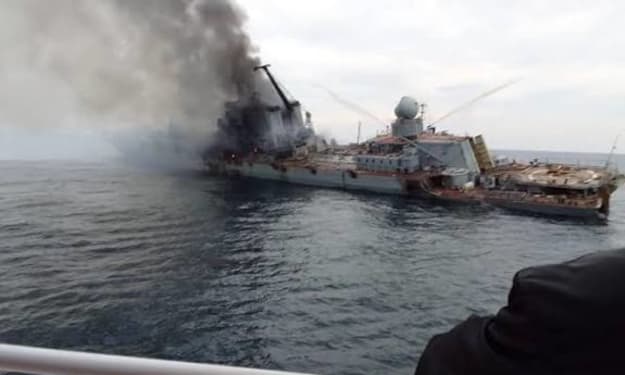
Russian Court Demands $29 Million from Ukrainian Navy Officer for Sinking of Moskva Missile Cruiser. AI-Generated.
A Russian court has ordered a Ukrainian navy officer to pay $29 million in damages over the sinking of the Moskva, Russia’s flagship missile cruiser in the Black Sea. The ruling has drawn international attention, reopening debates about war accountability, international law, and the symbolic loss of one of Russia’s most powerful naval vessels. The decision comes nearly two years after the Moskva sank during the early months of the Russia-Ukraine conflict, an event that marked a major turning point in the war at sea. The Sinking of the Moskva: A Brief Overview The Moskva was the flagship of Russia’s Black Sea Fleet and a symbol of Moscow’s naval strength. In April 2022, the warship sank after sustaining severe damage during combat operations. Ukraine claimed responsibility, stating that its forces struck the cruiser with anti-ship missiles, while Russia initially said the ship was damaged by a fire that caused ammunition to explode. Despite conflicting narratives, the sinking shocked military analysts worldwide and dealt a significant blow to Russian naval prestige. The loss of the Moskva also had strategic consequences, limiting Russia’s naval operations in parts of the Black Sea. The Court Ruling Explained According to Russian state media, a court has ruled that a Ukrainian naval officer, identified as being involved in the operation that led to the sinking, is financially liable for the loss of the warship. The court assessed damages at approximately $29 million, citing the cost of the vessel and related losses. Russian authorities argue that the officer’s actions constituted criminal destruction of military property, even though the incident occurred during active warfare. Legal experts say the ruling is largely symbolic, as enforcing such a judgment against a foreign military officer remains highly unlikely. Legal and International Law Questions The ruling has raised serious questions about international law and wartime conduct. Under international humanitarian law, attacks on military targets during armed conflict are generally considered lawful. Many analysts argue that the Moskva was a legitimate military target, making the court’s decision controversial. Critics say the ruling blurs the line between combat actions and criminal liability, potentially setting a dangerous precedent. Supporters of Ukraine maintain that the court decision has no legal standing internationally, especially given the absence of Ukrainian representation or recognition of Russian jurisdiction in the case. Ukraine’s Response Ukrainian officials have dismissed the ruling, calling it politically motivated and legally meaningless. They argue that Ukraine was exercising its right to self-defense and targeting a warship actively involved in military operations. Ukrainian military analysts also note that similar rulings have no enforcement power outside Russia and are unlikely to impact the ongoing conflict. The Ukrainian government has not acknowledged any obligation to comply with the court’s demands. Political and Symbolic Motivations Many observers view the ruling as a political move rather than a legal one. The sinking of the Moskva was a major embarrassment for Russia, both domestically and internationally. By assigning blame and demanding compensation, analysts say Russian authorities may be attempting to: Reframe the narrative around the Moskva’s loss Reinforce domestic messaging about accountability Signal resolve amid ongoing military challenges The ruling may also serve as a warning to Ukrainian military personnel, even if it lacks real-world impact. Military Significance of the Moskva Beyond its symbolic value, the Moskva played a key role in air defense and command operations in the Black Sea. Its loss reduced Russia’s ability to project power along Ukraine’s southern coast. Military experts say the incident forced Russia to reposition naval assets and rely more heavily on long-range missile strikes rather than surface vessels. The sinking also demonstrated the growing effectiveness of modern missile systems against large naval ships, influencing naval strategies worldwide. International Reaction International response to the court ruling has been muted but skeptical. Legal scholars and defense experts have questioned the legitimacy of assigning financial liability for actions taken during wartime. Some analysts warn that if widely accepted, such rulings could criminalize standard military operations, undermining established rules of armed conflict. Western governments have not officially commented on the case, though many continue to support Ukraine’s right to defend itself. Broader Implications While the ruling is unlikely to result in any payment, it highlights the legal battles running parallel to the military conflict. Courts, sanctions, and claims for damages have become tools in the wider geopolitical struggle. The case also reflects how both sides are using legal mechanisms to shape narratives and assert moral authority, even as the war continues on the battlefield. Conclusion The Russian court’s demand that a Ukrainian navy officer pay $29 million for the sinking of the Moskva missile cruiser is a striking development, blending law, politics, and warfare. While the ruling is unlikely to have practical consequences, it underscores the deep divisions and unresolved tensions surrounding the conflict. As the war continues, cases like this show how legal actions are being used alongside military force to pursue accountability, influence public opinion, and redefine responsibility in modern warfare. Whether such rulings carry weight beyond national borders remains highly uncertain, but their symbolic impact is undeniable.
By Fiaz Ahmed about a month ago in The Swamp
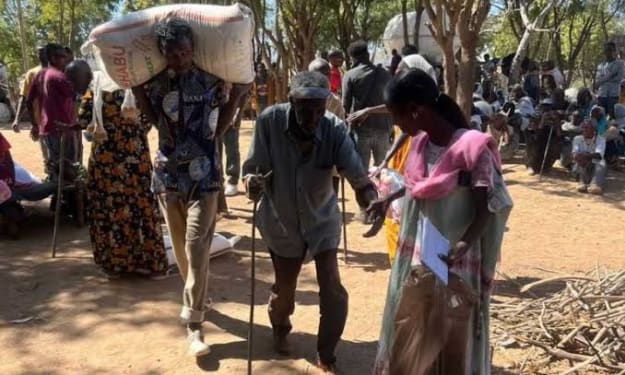
Hunger, Death, Devastation: No Respite in Tigray a Year After US Aid Cuts. AI-Generated.
One year after the United States suspended most humanitarian aid to Ethiopia’s Tigray region, hunger, disease, and despair continue to define daily life for millions. Despite the end of large-scale fighting, the humanitarian crisis has not eased. For many families in Tigray, survival remains a daily struggle marked by empty food stores, limited healthcare, and fading hope. Aid workers and local residents say the region has seen little recovery, highlighting how deeply the suspension of assistance has affected an already fragile population. A Region Still Reeling from War Tigray endured one of the most devastating conflicts in recent African history. Years of fighting destroyed farms, clinics, schools, and basic infrastructure. Although a ceasefire brought an end to major combat, it did not bring immediate relief. Entire communities were left without reliable access to food, clean water, or medical services. When U.S. aid was cut due to concerns over misuse and diversion, the impact was swift and severe. Humanitarian agencies warn that the war may have ended, but its consequences are far from over. Why US Aid Was Cut In early 2024, the United States announced a suspension of most food aid to Ethiopia, including Tigray. Officials cited credible reports of aid theft and diversion, stating that assistance was not always reaching those most in need. While the decision was intended to protect accountability, humanitarian groups cautioned that ordinary civilians would bear the cost. One year later, those warnings appear to have become reality. Local aid workers say the suspension created a gap that no other donor has been able to fully fill. Hunger as a Daily Reality Across Tigray, hunger is no longer seasonal—it is constant. Families report eating one small meal a day or less, often made from wild plants or borrowed grain. Markets remain largely empty, and food prices have soared beyond what most households can afford. Farmers, once the backbone of the region, lack seeds, tools, and livestock to restart production. Children are among the hardest hit. Health workers report rising cases of severe malnutrition, stunted growth, and weakened immune systems. A Healthcare System on the Brink Tigray’s healthcare system, already damaged by war, has struggled to function without adequate funding and supplies. Many clinics operate with minimal staff, limited medicines, and unreliable electricity. Doctors report seeing preventable deaths from treatable illnesses, including infections, complications during childbirth, and chronic conditions like diabetes. Without consistent aid, hospitals face impossible choices about who receives care and who does not. Death Beyond the Battlefield While large-scale fighting has stopped, death remains a constant presence in the region. People are dying not from bullets or bombs, but from hunger, disease, and exhaustion. Aid groups stress that these deaths are just as tragic—and just as preventable. They warn that prolonged deprivation could erase an entire generation’s future. For many families, grief has become a routine part of life. Aid Workers Struggling to Cope Humanitarian workers on the ground describe a sense of moral exhaustion. With limited resources, they must decide which communities receive assistance and which are left waiting. Some organizations have scaled back operations or withdrawn entirely due to funding shortages. Others continue at reduced capacity, relying on local volunteers and donations. Aid workers say the situation has created deep frustration and despair, as they witness suffering they cannot fully address. Political and Humanitarian Tensions The aid suspension has also fueled political tension. Ethiopian authorities argue that they are working to prevent diversion and restore trust with donors. Critics, however, say the slow pace of reform has cost lives. International observers stress that accountability and humanitarian access must go hand in hand. Without a solution, civilians remain trapped between political decisions and survival needs. Calls for Renewed Engagement Human rights organizations and aid agencies are urging the U.S. and other donors to reassess their approach. They argue that stronger monitoring systems can address concerns about diversion while allowing life-saving assistance to resume. Suggested measures include: Improved tracking of food distribution Greater involvement of local communities Independent oversight mechanisms Gradual restoration of aid with safeguards Experts warn that continued inaction could push the region toward irreversible damage. The Human Cost of Delay For residents of Tigray, international debates feel distant and abstract. What matters is whether there will be food tomorrow, medicine next week, or a future next year. Parents speak of watching their children grow weaker. Elderly residents fear they will not survive another hungry season. Young people, once hopeful, now see limited prospects ahead. The absence of aid has turned recovery into a slow, painful process with no clear end in sight. Conclusion A year after U.S. aid cuts, Tigray remains locked in a humanitarian crisis defined by hunger, death, and devastation. The end of fighting did not bring peace to daily life, and the absence of sustained international support has deepened suffering across the region. As global attention shifts elsewhere, Tigray’s crisis risks becoming a forgotten tragedy. Yet aid workers and residents insist it does not have to be this way. With renewed commitment, accountability, and compassion, lives can still be saved. Until then, for millions in Tigray, respite remains painfully out of reach.
By Fiaz Ahmed about a month ago in The Swamp
Hospitals Almost Full as Norovirus Cases Rise. AI-Generated.
Hospitals across several regions are nearing capacity as norovirus cases continue to rise, placing growing pressure on healthcare systems already stretched by seasonal illnesses. Often called the “winter vomiting bug,” norovirus spreads quickly and can overwhelm hospitals in a matter of weeks. Health officials are urging the public to remain vigilant, practice good hygiene, and avoid unnecessary hospital visits to help reduce the strain on medical facilities. What Is Norovirus? Norovirus is a highly contagious virus that causes inflammation of the stomach and intestines. It leads to symptoms such as vomiting, diarrhea, nausea, stomach cramps, and fever. While most people recover within a few days, the virus can be dangerous for young children, older adults, and people with weakened immune systems. The virus spreads easily through: Close contact with an infected person Contaminated food or water Touching contaminated surfaces Poor hand hygiene Because it requires only a small amount of virus to cause infection, norovirus outbreaks can spread rapidly in crowded settings. Why Hospitals Are Nearly Full Hospitals are facing a surge in admissions linked to norovirus-related complications. While many patients can recover at home, severe dehydration and persistent symptoms often require medical attention. Healthcare workers report that hospital wards are filling up due to: Increased emergency room visits Dehydration cases needing intravenous fluids Infection outbreaks within care facilities Vulnerable patients requiring isolation In some areas, hospitals have postponed non-urgent procedures to free up beds. Vulnerable Groups at Higher Risk Norovirus can affect anyone, but certain groups are more likely to experience severe symptoms or complications. These include: Elderly individuals in care homes Infants and young children People with chronic illnesses Patients with weakened immune systems Care homes and hospitals themselves are particularly vulnerable to outbreaks because of close living quarters and shared facilities. Impact on Healthcare Workers Healthcare staff are under growing pressure as case numbers climb. Many workers are dealing with longer shifts, staff shortages, and increased infection risk. Some hospitals report that nurses and doctors are also becoming ill, further reducing available staff. This has created a cycle where fewer workers are caring for more patients, increasing fatigue and stress. Hospital administrators stress that preventing the spread of norovirus is essential to protect both patients and healthcare professionals. Symptoms to Watch For Norovirus symptoms usually appear 12 to 48 hours after exposure and may include: Sudden vomiting Watery diarrhea Nausea Stomach pain Mild fever Headache and body aches Most people recover within one to three days, but dehydration can occur quickly, especially in children and older adults. How to Prevent Infection Health authorities emphasize that simple hygiene measures are the most effective way to prevent norovirus transmission. Key prevention steps include: Washing hands thoroughly with soap and water Avoiding food preparation while sick Cleaning surfaces with disinfectant Staying home for at least 48 hours after symptoms stop Avoiding close contact with infected individuals Alcohol-based hand sanitizers are less effective against norovirus, making proper handwashing essential. Advice for the Public Officials urge people to avoid visiting hospitals unless absolutely necessary, especially if they are experiencing symptoms. Visiting while sick increases the risk of spreading the virus to vulnerable patients. Parents are advised to keep sick children home from school or daycare. Employers are also encouraged to allow flexible sick leave to reduce workplace transmission. By taking these steps, communities can help ease the pressure on hospitals. A Seasonal Pattern with Growing Impact Norovirus cases often rise during colder months when people spend more time indoors. However, health experts warn that this year’s increase appears sharper than usual, putting additional strain on healthcare systems. Factors contributing to the surge may include reduced immunity following past illness trends and increased social contact during seasonal gatherings. Looking Ahead Hospitals are implementing infection control measures, including isolation protocols and visitor restrictions, to contain outbreaks. Health agencies continue to monitor case numbers closely and provide guidance to the public. Experts stress that early action and public cooperation can significantly reduce hospital admissions and help protect the most vulnerable. Conclusion As norovirus cases rise, hospitals are facing serious challenges, with wards nearing full capacity and healthcare workers under intense pressure. While the virus is usually short-lived, its ability to spread rapidly makes it a major public health concern. Preventing infection through good hygiene, staying home when sick, and limiting unnecessary hospital visits can make a meaningful difference. With collective effort, communities can help slow the spread, protect healthcare systems, and ensure care remains available for those who need it most.
By Fiaz Ahmed about a month ago in Longevity