fact or fiction
Is it a fact or merely fiction? Fact or Fiction explores travel myths to help you avoid making that wrong turn.
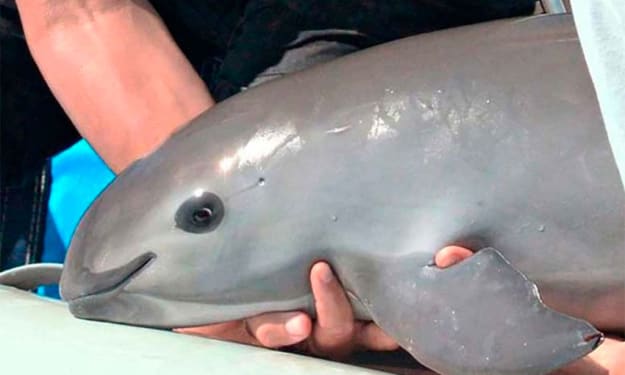
Vanishing Gems of the Sea: 25 Fascinating Facts About the Endangered Vaquita
Here are some facts about the vaquita: Size and Appearance: The vaquita is the smallest and most endangered cetacean species. They have a distinctive appearance with a dark gray body, lighter gray belly, and dark rings around their eyes and lips. They reach an average length of around 4.5 to 5 feet (1.4 to 1.5 meters) and weigh about 120 pounds (55 kilograms).
By Ajith Kumar3 years ago in Wander
Fluttering Wonders: 30 Fascinating Facts About Butterflies
Here are some interesting facts about butterflies: Butterflies belong to the order Lepidoptera, which also includes moths. They are known for their vibrant colors and delicate wings. There are approximately 20,000 species of butterflies worldwide. Some of the most well-known species include the Monarch butterfly, Painted Lady, Swallowtail butterflies, and Blue Morpho. Butterflies undergo a process called metamorphosis, which involves four distinct stages: egg, larva (caterpillar), pupa (chrysalis), and adult. The transformation from a caterpillar to a butterfly is one of the most remarkable in the animal kingdom. Butterflies have a unique feeding behavior called "proboscis." It is a long, straw-like tube that they use to suck nectar from flowers. They also feed on other liquids, such as rotting fruit and tree sap. The average lifespan of a butterfly varies among species, but it generally ranges from a few weeks to several months. The smallest butterflies may live only a week or two, while some larger species can live up to nine months. Butterflies are found on every continent except Antarctica. They inhabit diverse habitats, including forests, meadows, mountains, and deserts. While butterflies are known for their vibrant colors, these colors are not caused by pigments but rather by the microscopic scales covering their wings. These scales reflect light to produce the dazzling array of colors and patterns. Butterflies have excellent eyesight. Their eyes contain thousands of individual lenses, allowing them to see a wide range of colors, detect ultraviolet light, and perceive movement. Many butterfly species migrate over long distances. The Monarch butterfly, for example, undertakes an incredible journey of thousands of kilometers each year from Canada and the United States to Mexico. Butterflies play an essential role in pollination. As they feed on nectar, they transfer pollen from one flower to another, aiding in the fertilization process and contributing to the reproduction of numerous plant species. Some butterflies have developed unique defense mechanisms to protect themselves from predators. These defenses include camouflage, mimicry (imitating the appearance of toxic or unpalatable species), and warning coloration. The study of butterflies is called "butterfly watching" or "butterflying," and enthusiasts who pursue this hobby are known as lepidopterists. The wings of butterflies are incredibly delicate and are covered in tiny scales that give them their color and pattern. These scales can easily rub off if touched. Butterflies can fly at different speeds, but on average, they fly at a speed of around 8-12 miles per hour (13-19 kilometers per hour). Butterflies have a specialized sense organ located on their forelegs called "tarsi." Tarsi allow them to taste food and determine whether it is suitable for consumption. The world's smallest butterfly is the Western Pygmy Blue (Brephidium exilis), with a wingspan of only 0.5-0.75 inches (1.3-1.9 centimeters). The largest butterfly in the world is the Queen Alexandra's Birdwing (Ornithoptera alexandrae) found in Papua New Guinea. Its wingspan can reach up to 1 foot (30 centimeters). Butterflies use the sun as a navigational aid. They can detect the position of the sun in the sky and use it to orient themselves during migration and foraging. Some butterfly species, like the Painted Lady (Vanessa cardui), have a global distribution and can be found on every continent except Antarctica. Butterflies have a unique way of drinking water. They "puddle" by gathering in groups on damp soil, mud puddles, or wet sand to extract minerals and salts from the moisture. The lifespan of a butterfly varies greatly depending on the species. The shortest-lived species, such as the Skipper butterfly, may only live for a few days, while some tropical species can live for several months. Butterflies have a complex mating behavior that often involves elaborate courtship displays and dances. Males may use pheromones, bright colors, or aerial acrobatics to attract females. Some butterfly species, like the Mourning Cloak (Nymphalis antiopa), can hibernate during the winter months in a state of diapause. They find sheltered locations like tree bark or rock crevices to survive the cold. Many butterfly species are territorial and will defend their territory against other butterflies, especially of the same species or gender. Butterflies have a wide range of colors and patterns on their wings, which serve various purposes, including attracting mates, warning predators, and blending into their surroundings. The lifespan of a butterfly can be influenced by factors such as temperature, availability of food, predation, and habitat conditions. Butterflies have a high metabolic rate and need to constantly feed on nectar or other food sources to maintain their energy levels. Some species of butterflies, such as the Red Admiral (Vanessa atalanta), undertake multiple generations in a single year, while others, like the Monarch butterfly, have a single long-lived generation. Butterflies have evolved several ways to protect themselves from predators. Some species have eye-like patterns on their wings to confuse or intimidate predators, while others have toxic chemicals in their bodies, making them unpalatable. The process of a butterfly emerging from the pupa is called "eclosion." During eclosion, the butterfly's wings are initially soft and crumpled but gradually expand and harden. Remember, these are just a few facts about butterflies. The world of butterflies is incredibly diverse and fascinating, offering many more intriguing details to explore!
By Ajith Kumar3 years ago in Wander
Ants Unveiled: 30 Fascinating Insights into the World of Nature's Little Architects
Here are some interesting facts about ants: Ants are social insects that live in colonies, which can range in size from a few dozen to millions of individuals. Ants have a sophisticated communication system. They use pheromones to leave trails, which helps them navigate and communicate with other members of their colony. Ants are incredibly strong for their size. Some species can carry objects that are 50 times their own body weight. Ants have a division of labor within their colonies. Different ants have specific roles such as workers, soldiers, and the queen. Ants are found on every continent except Antarctica. They inhabit a wide range of environments, including forests, deserts, and urban areas. Some ants are farmers. Leaf-cutter ants, for example, cultivate gardens of fungus by cutting leaves and using them as food for the fungus. The ants then consume the fungus. Ants are excellent navigators. They can travel long distances from their nest in search of food and then find their way back by following visual cues and using the sun's position. Ants are known for their cooperative behavior. They work together to build intricate nests, gather food, and protect their colony. Ants have been around for a very long time. Fossil evidence suggests that ants evolved from wasp-like ancestors over 100 million years ago. Some ant species engage in warfare with rival colonies. They fight over territory and resources, using their strong jaws and chemical defenses to defend their colony. Ants have two stomachs—one for their own nourishment and another to store food for other ants in the colony. Some ant species have the ability to "farm" aphids or other insects. They protect and care for these insects, which produce a sugary substance called honeydew that the ants feed on. Ants have been known to engage in slavery. Certain ant species raid neighboring colonies, capture their pupae, and force them into labor within their own colony. The world's heaviest ant is the female driver ant from Africa. It can weigh up to 1.5 grams. Some ants have evolved incredible defensive mechanisms. For instance, the bullet ant of Central and South America has a sting that is considered the most painful of any insect, earning it the nickname "bullet ant" due to the sensation being similar to a gunshot. Ants have been used as natural pest control. Some farmers release certain ant species into their fields to help control pests and protect their crops. Ants have a unique way of carrying their dead. They transport deceased colony members to a designated "graveyard" area away from the nest. Ants practice a form of "ant chiropractic." They will help injured ants by immobilizing them and licking their wounds, which can promote healing. The total biomass of all the ants on Earth is estimated to be equal to or even greater than that of humans. Certain ant species are known for their extraordinary building abilities. For example, weaver ants construct elaborate nests made of leaves stitched together using silk produced by their larvae. Ants can act as nature's cleanup crew. They scavenge and dispose of dead animals and organic matter, playing a vital role in nutrient recycling. Some ant species are highly skilled hunters. Army ants, for instance, form massive raiding parties that move through the forest, capturing and devouring any insects or small animals in their path. Ants have a remarkable ability to survive floods. They can come together and form living rafts by linking their bodies together, allowing them to float on the water's surface until they reach dry land. Ants have been used as inspiration for human technology. Their cooperative behavior has influenced the development of algorithms for solving complex problems like optimizing transportation routes. Ants have been observed engaging in a behavior called "tandem running." During tandem running, an experienced forager leads a novice ant to a new food source, teaching it the route to follow. Ants have been sent to space! In 2003, scientists sent ants aboard the International Space Station to study their behavior in microgravity. Certain ant species have developed symbiotic relationships with other organisms. For example, some ants form mutualistic partnerships with plants, protecting them from herbivores and receiving food and shelter in return. Ants have a diverse range of diets. While most ants are omnivorous, feeding on both plant material and small insects, some species are specialized feeders, consuming specific types of food such as seeds, nectar, or even fungi. Ants are known for their remarkable navigational skills. They can use landmarks, celestial cues, and even an internal "magnetic compass" to find their way back to the nest. Ants play a crucial role in the ecosystem as seed dispersers. Certain ant species collect seeds, carry them to their nests, and discard the non-viable seeds, aiding in plant reproduction and distribution.
By Ajith Kumar3 years ago in Wander
BioFit Probiotics: The Ultimate Gut Health Solution for Weight Loss || Click The Video Link Below
For a thorough overview explanatory video on BioFit Probiotics >>CLICK HERE<<. In the quest for achieving optimal health and maintaining an ideal body weight, many individuals turn to various methods and strategies. One approach that has gained significant attention is the BioFit weight loss program. With its unique blend of probiotics and other natural ingredients, BioFit aims to support healthy weight management and promote overall well-being. In this article, we will delve into the details of BioFit and explore how it can potentially help you achieve your weight loss goals.
By Mdali Nkosi3 years ago in Wander
This is how climate and environmental policies influence energy investment choices
Governments play a crucial role in shaping the energy sector's transformation through the implementation of climate and environmental (CE) policies. These policies not only aim to drive change but also have a profound impact on the perceptions and behaviors of market participants. Environmental economists have long advocated for the use of policy instruments, such as carbon taxes or cap-and-trade systems, to effectively price carbon emissions. By doing so, these policies seek to internalize the environmental damages caused by carbon dioxide emissions and provide economic incentives for transitioning to cleaner energy sources.
By nizam uddin3 years ago in Wander
10 Most Prohibited Places By The General Public
There are certain places on earth that have been declared off-limits to the public due to various reasons such as safety concerns, political instability, environmental damage, or the presence of dangerous animals. Here are the top 10 prohibited places on earth that you are not allowed to visit.
By Shakira Scantlebury3 years ago in Wander
The 10 Most Exciting Cultures to Experience Around the World
There are many cultures around the world that are rich in history, art, music, cuisine, and tradition. Each culture has its own unique charm and offers a different perspective on life. In this article, we will explore the 10 most exciting cultures to experience around the world.
By Shakira Scantlebury3 years ago in Wander