
Taiwan Air Freight Market Size, Share, Trends, Industry Analysis, Report to 2033
Explore the trends, growth drivers, challenges, and market forecast of Taiwan’s air freight industry as global trade, e-commerce demand, and logistics modernization continue to reshape cargo transportation.

Market Overview
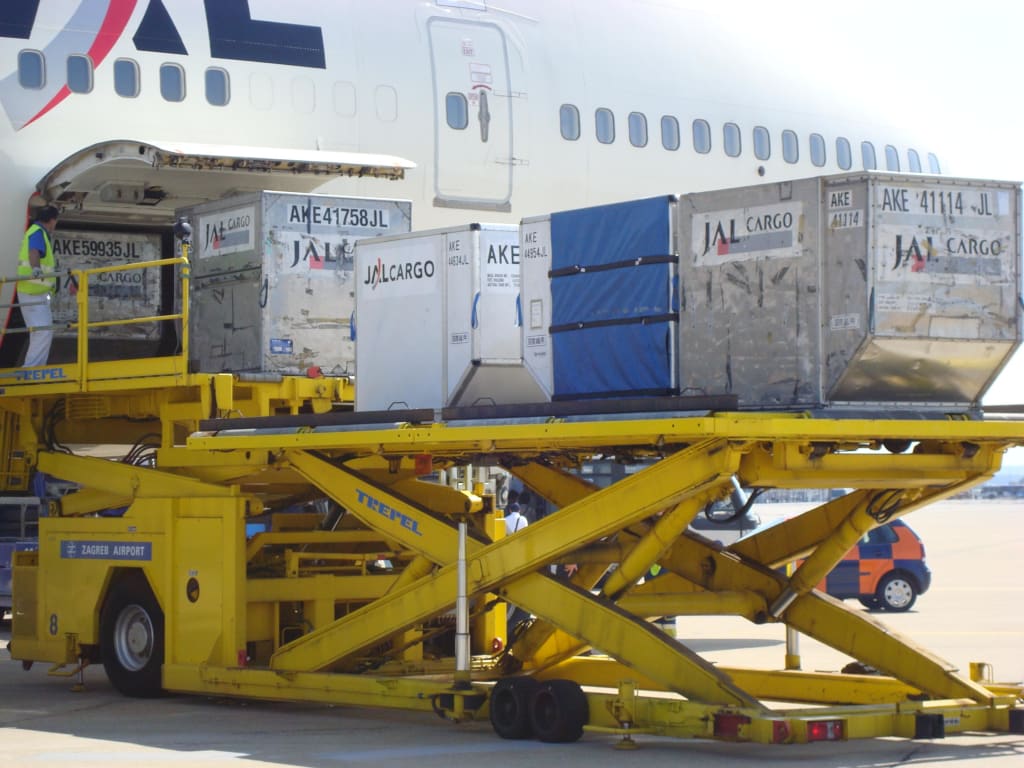
The Taiwan air freight market plays a crucial role in supporting the island’s export-driven economy. As one of Asia’s major technology manufacturing hubs, Taiwan relies heavily on efficient logistics networks to transport high-value goods such as semiconductors, electronics, and precision components. Air freight offers speed, reliability, and security, making it an essential transportation method for time-sensitive shipments.
Taiwan’s strategic geographic location in East Asia strengthens its position as an international logistics hub connecting major markets such as China, Japan, South Korea, Southeast Asia, and North America. The presence of modern cargo airports and advanced logistics infrastructure further supports air freight operations across the region.
In recent years, the air freight sector has gained renewed attention due to the expansion of global e-commerce, rising demand for fast delivery services, and increasing trade in high-value technology products. These developments are contributing to the steady growth of the Taiwan air freight market.
Request a Sample Report with Latest Data & Forecasts:
Market Growth Drivers
Several factors are fueling the development of the Taiwan air freight market. The country’s strong manufacturing sector, growing international trade activity, and expanding logistics capabilities all contribute to increased cargo volumes.
Export-Oriented Economy
Taiwan’s economy depends significantly on exports, particularly in the technology and electronics sectors. Products such as semiconductors, integrated circuits, computer components, and telecommunications equipment require fast and secure transportation. Air freight provides an ideal solution for these high-value goods that must reach global markets quickly.
As global demand for electronics continues to increase, air cargo services remain essential for maintaining efficient supply chains.
Expansion of E-Commerce
The rapid growth of e-commerce has transformed global logistics patterns. Consumers expect faster delivery times for online purchases, which increases reliance on air cargo services for international shipping.
Retailers and logistics providers use air freight to move products between distribution centers and international markets efficiently. Cross-border e-commerce activity has significantly increased cargo traffic through major airports in Taiwan.
Development of Logistics Infrastructure
Taiwan has invested in improving its logistics infrastructure to support international trade. Major cargo airports are equipped with advanced cargo terminals, automated handling systems, and temperature-controlled facilities for specialized shipments.
Efficient airport logistics systems help reduce handling time and improve supply chain reliability. As trade volumes continue to grow, infrastructure development remains a key factor supporting market expansion.
Key Market Trends
Growth of High-Value Cargo
A large portion of Taiwan’s air freight cargo consists of high-value and technology-intensive products. Semiconductor components, electronic devices, and precision machinery require careful handling and fast delivery to maintain supply chain efficiency.
Air freight allows manufacturers to meet tight production schedules and deliver products quickly to global customers.
Integration of Digital Logistics Technologies
Digital technologies are transforming the air freight industry. Logistics companies are adopting data analytics, tracking systems, and automation tools to improve cargo management and operational efficiency.
Real-time tracking enables businesses to monitor shipments and optimize delivery schedules. These innovations enhance transparency and reliability in international logistics networks.
Cold Chain Logistics Expansion
Temperature-sensitive cargo such as pharmaceuticals, biotechnology products, and certain food items require specialized transportation conditions. Cold chain logistics systems have become increasingly important in the air freight industry.
Airports are expanding temperature-controlled storage facilities and handling processes to accommodate these specialized shipments.
Sustainability Initiatives
Environmental concerns are encouraging the aviation industry to explore sustainable practices. Airlines and logistics providers are researching fuel-efficient aircraft, optimized flight routes, and carbon reduction strategies.
Although sustainability initiatives are still evolving, they are expected to influence long-term developments in air cargo transportation.
Market Challenges
Despite strong growth prospects, the Taiwan air freight market faces several challenges.
High Transportation Costs
Air freight is generally more expensive than other transportation modes such as sea freight. Companies must balance the benefits of speed with the higher costs associated with air cargo.
Capacity Fluctuations
Global economic conditions, trade patterns, and airline capacity availability can influence cargo space and pricing. Periods of high demand may create capacity constraints in international air cargo networks.
Regulatory and Security Requirements
Air cargo operations must comply with strict international aviation safety regulations and customs procedures. While these measures enhance security, they can sometimes create operational complexities for logistics providers.
Global Competition
Taiwan competes with other regional logistics hubs that also offer advanced air cargo infrastructure and services. Maintaining efficiency and technological innovation is important for sustaining competitiveness.
Market Forecast
The Taiwan air freight market forecast indicates continued growth as international trade, e-commerce activity, and technology manufacturing expand. Demand for rapid cargo transportation is expected to remain strong, particularly for electronics, high-value components, and time-sensitive shipments.
Advancements in logistics technology, automation, and digital cargo management systems are likely to improve operational efficiency across the industry. Additionally, investments in airport infrastructure and cargo facilities will support increasing shipment volumes.
Cross-border e-commerce growth is expected to remain a significant driver of air freight demand in the coming years. As global consumers continue to rely on fast shipping options, air cargo services will play a vital role in maintaining efficient international supply chains.
Overall, the Taiwan air freight market forecast reflects steady expansion supported by strong export industries, advanced logistics infrastructure, and growing global trade connectivity.
About the Creator
Jackson Watson
I'm a market research analyst at Imarc group company delivering data-driven insights, industry analysis, and customized research solutions. We support businesses with market sizing, competitive analysis, and strategic decision-making.
Keep reading
More stories from Jackson Watson and writers in Trader and other communities.
Taiwan Drones Market Size, Industry Trends, Share, Growth and Forecast to 2033
Market Overview The Taiwan drones market has witnessed notable development in recent years, driven by advancements in technology, growing industrial applications, and increasing interest in unmanned aerial systems (UAS). Drones are becoming essential tools across various sectors, including agriculture, infrastructure inspection, logistics, public safety, and aerial photography.
By Jackson Watson2 days ago in Trader
Philippines Cosmetics Market 2026: Beauty Consciousness, Digital Influence and the Rise of Inclusive Glam
Philippines Cosmetics Market Overview The Philippines cosmetics market is experiencing steady expansion as rising beauty awareness, digital engagement and evolving consumer lifestyles reshape product demand across the country. Cosmetics — including facial makeup, lip products, eye cosmetics and complexion solutions — have become integral to self-expression and daily grooming routines among Filipino consumers. The category continues to diversify with the influence of global beauty trends, local brand innovation and increasing accessibility through omnichannel retail.
By Manisha Dixit7 days ago in Trader



Comments
There are no comments for this story
Be the first to respond and start the conversation.