
Trump Wants to Distract Americans From Scandals at Home With a Diversionary War
Political critics argue foreign confrontation could shift focus from domestic controversies, but history shows such strategies carry serious risks
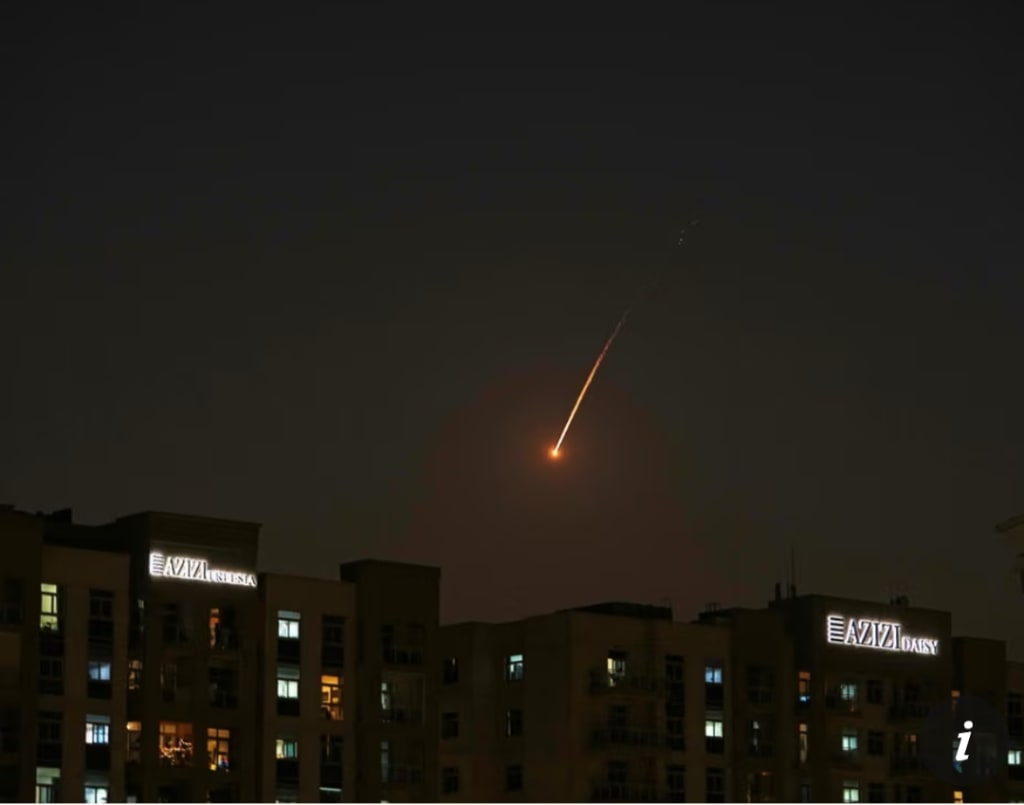
In American politics, few accusations are as serious as claiming a leader might pursue or escalate foreign conflict to divert attention from domestic troubles. The idea — often referred to as a “diversionary war” strategy — suggests that when political pressure mounts at home, a dramatic external crisis can rally public support and shift media narratives.
Recent commentary from political opponents and analysts has revived this debate, with some arguing that former President Donald Trump’s aggressive foreign policy rhetoric could serve to redirect public attention from domestic controversies. Supporters, however, dismiss such claims as partisan attacks, arguing that strong international posturing reflects strategic priorities rather than political distraction.
The accusation itself underscores a broader concern about how domestic politics and foreign policy can intersect in moments of heightened tension.
What Is a Diversionary War Theory?
The diversionary war theory is a long-standing concept in political science. It proposes that leaders facing declining approval ratings, legal troubles, economic downturns, or political scandals may initiate or escalate international conflict to unify citizens under a shared external threat.
The logic is straightforward: in times of national crisis, voters often rally around the flag. Approval ratings can temporarily rise, media attention shifts, and partisan divisions may soften — at least briefly.
Historical examples are debated among scholars. Some cite Argentina’s 1982 invasion of the Falkland Islands as a case where domestic instability played a role. Others argue that evidence for deliberate diversion is mixed and often overstated.
In the American context, accusations of diversionary motives have surfaced multiple times across administrations of both parties.
The Current Political Climate
The United States remains deeply polarized. Domestic issues — ranging from economic concerns and immigration to legal investigations and partisan battles — dominate headlines.
In such an environment, foreign policy decisions are scrutinized not only for strategic value but also for political timing.
Critics suggest that heightened military rhetoric or aggressive positioning abroad could reshape the news cycle. Supporters counter that global leadership requires firmness, especially in volatile regions.
Without clear evidence of intent, these interpretations often reflect broader political alignments.
Media Narratives and Public Perception
Modern media ecosystems amplify speculation rapidly. Cable news, social platforms, and online commentary shape public perception in real time.
If foreign tensions escalate, domestic debates can quickly fade from front-page prominence. However, such shifts are rarely permanent. Investigations, legal proceedings, and economic data continue regardless of international developments.
Moreover, voters today have access to multiple information sources, making sustained narrative control far more difficult than in past decades.
Risks of Escalation
Even the perception of using foreign conflict as political distraction carries significant consequences.
Military action involves:
Human costs
Financial burdens
Diplomatic fallout
Long-term strategic implications
A miscalculation could trigger regional instability, disrupt global markets, and strain alliances.
Political scientists note that while short-term approval bumps can occur during crises, prolonged conflict often erodes support — particularly if casualties or economic disruptions mount.
The Role of Institutions
The United States operates within a system of checks and balances.
Congress plays a role in authorizing military force. The judiciary oversees legal boundaries. Intelligence agencies provide threat assessments independent of political leadership.
These institutional frameworks are designed to limit unilateral escalation driven by political considerations.
While presidents possess significant executive authority, major sustained military campaigns typically require broader institutional cooperation.
Supporters’ Perspective
Supporters of Trump argue that his foreign policy approach historically emphasized deterrence and assertiveness. They point to previous actions — such as targeted strikes or sanctions — as examples of strategic decision-making rather than political maneuvering.
From this viewpoint, accusations of diversion serve as political rhetoric rather than evidence-based analysis.
They argue that geopolitical threats demand decisive leadership regardless of domestic political cycles.
Critics’ Concerns
Opponents counter that political timing and rhetoric matter. They argue that sharp escalations in tone during periods of domestic controversy warrant scrutiny.
For critics, transparency is key. Clear communication about objectives, legal authority, and strategic goals helps distinguish policy from politics.
The debate ultimately centers on intent — something notoriously difficult to prove.
Historical Lessons
History offers cautionary tales. Wars launched for unclear objectives or under questionable political motivations often carry lasting consequences.
The Iraq War, for example, reshaped global alliances and domestic trust in government institutions. Public support can initially surge but later decline if outcomes disappoint expectations.
Diversionary conflict, if attempted, rarely remains controllable.
Global Implications
In today’s interconnected world, even limited military actions reverberate globally.
Energy markets react swiftly. Allies assess commitments. Rival powers calculate responses.
A conflict perceived as politically motivated could weaken international credibility.
Conversely, inaction amid genuine threats can also undermine leadership standing.
Balancing domestic politics and foreign policy remains one of the most complex challenges any administration faces.
The Power of Narrative
Whether or not diversionary motives exist, the narrative itself influences public debate.
Allegations of distraction can shape how voters interpret foreign policy decisions. Media framing can either heighten suspicion or emphasize security concerns.
Ultimately, democratic systems rely on informed citizens evaluating evidence, not speculation alone.
Conclusion
The claim that a leader might seek to distract Americans from domestic scandals through foreign conflict reflects deep political polarization and distrust.
The theory of diversionary war remains part of academic debate, but proving intent in real-world scenarios is extraordinarily difficult.
Foreign policy decisions carry immense consequences, extending far beyond news cycles or approval ratings.
As tensions evolve, transparency, institutional oversight, and careful analysis will remain essential.
In democratic societies, the intersection of politics and global strategy demands vigilance — not only from leaders, but from citizens as well.
About the Creator
Keep reading
More stories from Aarif Lashari and writers in The Swamp and other communities.
In the Rooftop Bars of Dubai, Expats Brace for What Tomorrow May Bring
As the sun dips behind the Burj Khalifa and the skyline glows in gold and glass, Dubai’s rooftop bars fill with a familiar crowd — financiers from London, tech entrepreneurs from Mumbai, consultants from New York, creatives from Beirut, and hospitality managers from Manila. Conversations drift above the hum of music and clinking glasses, but beneath the polished surface lies something more subdued: uncertainty.
By Aarif Lashariabout 4 hours ago in The Swamp
A Gathering of Evil Bosses
“I’m the queen of chin jutting while I smooth my hair, attacking, insulting, and deflecting to protect my appointer.” “Oh, please, Blondi, my hair is curled, highlighted, and longer than yours. I feature television commercials telling immigrants that we will give them a free plane ride home, and if they voluntarily turn themselves in, they will be allowed to legally apply for re-entry. It runs everywhere, and I look good in it! You can’t compete because of your blond hair. Mine is nicer, and my lips are prettier than yours.”
By Andrea Corwin 11 days ago in The Swamp



Comments
There are no comments for this story
Be the first to respond and start the conversation.