technology
Talking tech; debates about regulating technology, privacy laws, piracy, and the pitfalls of AI.
Major Step: French MPs Vote to Ban Social Media for Under-15s,. AI-Generated.
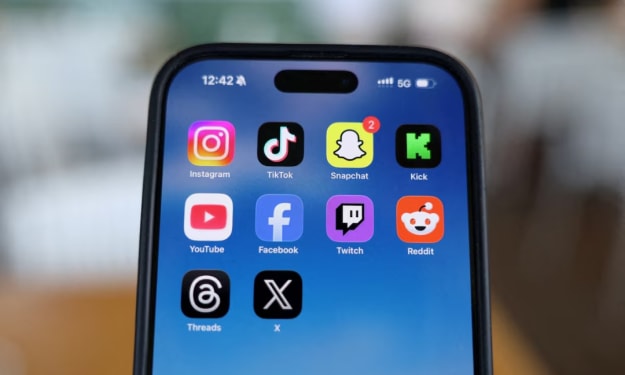
Historic Vote in France French lawmakers recently took a major step in digital regulation by voting in favor of a bill that would ban social media platforms for children under 15. The measure, aimed at protecting young users from the risks of excessive screen time, online harassment, and exposure to inappropriate content, has been hailed as a significant move toward safeguarding youth in the digital age. The bill passed with broad parliamentary support, reflecting growing public concern over the impact of social media on children’s mental health and development. Why the Bill Was Proposed The proposed legislation comes amid increasing evidence linking social media use to negative outcomes in young people, including: Anxiety and depression caused by cyberbullying and social comparison Sleep disruption and reduced physical activity Exposure to harmful content, including violence and misinformation Potential addictive behaviors linked to excessive screen time French MPs argued that children under 15 may lack the maturity and judgment to navigate complex online environments safely, making a preventive measure necessary. Key Provisions of the Bill The new law, if enacted, will require social media platforms to implement age verification systems and ensure compliance with usage restrictions. Key provisions include: Prohibiting registration and active participation for users under 15 Enforcing parental consent mechanisms for older teenagers Imposing fines or penalties on platforms that fail to comply The bill aligns with a broader European effort to increase digital safety regulations, including stricter privacy rules and protection against harmful online content. Reaction from Parents and Educators Parents and educators have expressed strong support for the legislation. Many believe that social media can pose risks to children’s mental and emotional well-being and welcome government intervention. Parents appreciate the clarity and boundaries set by the law, seeing it as a tool to guide healthy online habits. Educators note that young children are increasingly distracted by social media, affecting learning and classroom focus. However, some critics argue that enforcing the ban may be challenging, given the widespread use of smartphones and access to apps through family devices. Social Media Companies Respond Major social media platforms have reacted cautiously to the legislation. Companies must now consider how to implement robust age verification systems without violating privacy laws or alienating users. Some platforms are exploring technological solutions, such as AI-driven age verification and parental control dashboards, but critics warn that children may find ways to bypass these measures. The law is also likely to influence social media regulation globally, as other countries watch France’s approach to protecting children online. Potential Challenges and Criticisms While the bill has been widely praised, several challenges remain: Technical enforcement: Ensuring children under 15 cannot create accounts or access content is complex. Privacy concerns: Age verification systems may require sensitive data, raising concerns about data protection. Social impact: Critics argue that limiting social media access may reduce digital literacy or social connection for young people. Despite these challenges, lawmakers insist that protecting mental health and safety takes precedence, emphasizing the long-term benefits of the legislation. Comparisons with Other Countries France is not the first country to consider restricting social media for minors, but it is among the most proactive in Europe. For example: United Kingdom: Proposals for age limits and parental consent have been debated but not fully implemented. United States: Social media platforms offer parental control features but no nationwide age ban exists. Australia: Initiatives focus on cyberbullying and digital literacy rather than full restrictions. France’s approach may serve as a model for other nations grappling with youth digital safety. Implications for Communities The law has far-reaching implications for families, schools, and digital communities: Parents may feel empowered to monitor and guide children’s online activity. Schools could integrate digital literacy programs alongside restrictions to ensure safe use. Communities may experience shifts in youth social interaction, as alternative offline activities are encouraged. Experts highlight that legislation alone cannot solve all issues, stressing the importance of education, dialogue, and community support in raising digitally responsible children. Public Debate and Future Steps The vote has sparked nationwide debate, with supporters emphasizing child protection and mental health, while opponents caution about freedom of choice and practical implementation. The next steps include: Final approval in the upper house of Parliament Collaboration with social media companies to develop compliant systems Public education campaigns to help families navigate the new regulations If enacted, the law would mark a historic shift in digital policy, reinforcing France’s commitment to protecting young users in an increasingly online world. Conclusion The decision by French MPs to vote in favor of banning social media for children under 15 is being hailed as a major step in child protection and digital safety. While challenges in enforcement and privacy remain, the legislation reflects growing societal concern over the impact of social media on youth mental health, education, and development. As the bill moves through further legislative processes, families, educators, and communities will need to adapt to new standards, ensuring that children can enjoy the benefits of technology without being exposed to unnecessary risks. France’s approach could also inspire global discussions about digital safety, serving as a potential blueprint for countries seeking to balance connectivity with child protection.
By Aarif Lashari17 days ago in The Swamp
Maritime Safety at Risk as Hundreds of Vessels Face Daily Disruptions. AI-Generated.
Alarming New Report on Maritime Disruption A recent analysis has revealed that hundreds of vessels worldwide are being affected daily by disruptions to GPS and other navigation systems, raising concerns about maritime safety and security. The report, conducted by [Research Institute/Maritime Authority], highlights the growing risks posed by electronic navigation failures, interference, and cyber threats to ships traversing busy international waters. The findings underline that disruptions are not isolated incidents; rather, they have become increasingly frequent and can affect cargo ships, passenger ferries, and fishing vessels alike. Maritime authorities warn that immediate action is required to mitigate potential accidents and economic consequences. How GPS and Navigation Disruptions Occur Modern maritime operations rely heavily on Global Positioning System (GPS) technology for accurate navigation, collision avoidance, and port docking procedures. Disruptions can occur due to: Electronic interference or jamming Cybersecurity attacks targeting navigation systems Technical malfunctions in onboard electronic equipment Natural phenomena affecting signal reception Even brief lapses in GPS guidance can result in collisions, groundings, or misrouting, particularly in high-traffic areas like the English Channel, Singapore Strait, and major shipping lanes in the Pacific and Atlantic Oceans. The Scale of the Problem According to the report, hundreds of ships are affected daily, with incidents reported across both commercial and recreational maritime sectors. Analysts estimate that disruptions are increasing year by year, in part due to the growing dependency on digital navigation systems and the complexity of modern shipping operations. Shipping companies have reported delays, rerouted vessels, and near-miss collisions linked to GPS inaccuracies. In addition to safety risks, such disruptions also pose financial challenges, including fuel wastage, port scheduling conflicts, and cargo delivery delays. Economic and Environmental Risks The implications of widespread navigation system disruption extend beyond safety. Experts note that incidents can trigger significant economic and environmental consequences: Cargo delays and logistical disruptions impacting global trade Increased fuel consumption due to inefficient routing Risk of oil spills or environmental damage in the event of collisions Financial losses for shipping companies and insurers Maritime insurers are increasingly concerned about the rising frequency of incidents, prompting calls for stricter safety regulations and investment in resilient navigation technologies. Impact on Mariners and Coastal Communities For crews and coastal communities, navigation failures create direct risks to human life and property. Mariners face challenges such as: Increased risk of collisions in busy ports Navigational uncertainty in open seas during poor visibility Delays in emergency response in case of accidents Coastal communities, particularly in densely trafficked or industrial port regions, may face higher risks of environmental contamination, property damage, and safety hazards. The report stresses the importance of training crews to respond to navigation failures effectively. Maritime Authorities and Industry Response Maritime authorities and industry stakeholders are taking several measures to address the problem: Redundant navigation systems: Ships are increasingly equipped with backup navigation methods, including radar, traditional charts, and inertial navigation systems. Cybersecurity protocols: Stricter standards are being implemented to protect GPS and electronic systems from malicious attacks. Monitoring and reporting: Authorities are improving incident reporting and analysis to track patterns of GPS disruption. Crew training programs: Mariners are receiving additional training on manual navigation, emergency procedures, and electronic troubleshooting. While these measures provide some protection, experts warn that the scale of modern shipping operations requires comprehensive global coordination. The Role of Technology and Innovation Technology can be part of both the problem and the solution. Advances in autonomous shipping, satellite monitoring, and AI-based navigation systems offer potential to reduce human error and improve real-time tracking. However, reliance on digital systems also increases vulnerability to signal jamming, cyberattacks, and technical failures. Researchers advocate for hybrid navigation systems that combine digital, satellite, and traditional methods, creating resilient and fail-safe solutions for maritime operations. Public Awareness and Community Engagement The risks of navigation disruption are not limited to shipping companies—they also affect fishing communities, ferry operators, and coastal residents. Public awareness campaigns and training initiatives are essential to ensure that smaller operators understand the risks and have access to safety protocols. Local communities can play a role by: Reporting anomalies or GPS interference near ports and coastlines Supporting training programs for local mariners Advocating for investment in resilient maritime infrastructure Community involvement strengthens the overall maritime safety ecosystem, ensuring that safety protocols extend beyond large commercial vessels. Looking Ahead The report concludes that urgent action is needed to prevent accidents, economic losses, and environmental damage. Recommendations include: Investing in redundant and resilient navigation systems Expanding international regulations and standards for maritime GPS and electronic safety Enhancing crew training programs and emergency preparedness Increasing coordination between shipping companies, authorities, and coastal communities By addressing both technological vulnerabilities and human factors, the maritime industry can protect lives, property, and global trade. Conclusion The revelation that hundreds of vessels are affected daily by GPS and navigation disruptions highlights a critical threat to maritime safety. Beyond economic and environmental impacts, the risks to human life and coastal communities are profound. The report serves as a call to action for governments, shipping companies, and local communities to collaborate on solutions, ensuring safe navigation, robust infrastructure, and vigilant maritime practices. As shipping continues to be a backbone of global trade, safeguarding vessels and crews is a responsibility that requires technology, regulation, and community engagement working hand-in-hand.
By Aarif Lashari18 days ago in The Swamp
The Traitors Delivers Shock for BBC as Finale Viewing Figures Revealed. AI-Generated.
A Finale Full of Surprises BBC’s reality hit, The Traitors, has captivated viewers with its blend of psychological strategy, suspense, and high-stakes gameplay. However, the finale of the latest season has sent shockwaves through the network. As the viewing figures were revealed, both fans and industry insiders were surprised by how the numbers compared to expectations. The series had consistently maintained a strong following throughout the season, with audiences eagerly tuning in to see contestants uncover betrayals, form alliances, and compete for the grand prize. The finale, with its tense eliminations and dramatic reveals, promised a climax worthy of the hype—but the ratings tell an intriguing story. The Numbers That Shocked the BBC According to reports, the finale’s live viewing figures were lower than anticipated, despite the show’s popularity. Industry analysts suggest that while the program has a dedicated fanbase, many viewers opted to watch on-demand or via streaming platforms, reflecting a wider shift in how audiences consume television today. Traditional metrics may have contributed to the perceived shock, but when considering total engagement—including streaming figures, social media buzz, and online discussions—the show’s reach was still significant. The finale may have underperformed in classic live viewership but overperformed in audience engagement, a metric increasingly important for networks like the BBC. What Makes The Traitors So Compelling? The Traitors isn’t just another reality show. Its format combines strategy, psychological manipulation, and teamwork, keeping contestants and viewers alike on edge. Players must identify traitors, form alliances, and navigate deception to survive eliminations and secure the prize. Fans have praised the show for its intense suspense and unpredictable outcomes. Each episode keeps viewers guessing, and the finale delivered some of the most shocking betrayals of the season. This combination of strategy and drama has made The Traitors a standout in the crowded reality TV landscape. Fan Reactions: Shock, Debate, and Engagement Social media erupted following the finale. Fans expressed their surprise at the outcomes, debated strategies, and speculated about future seasons. Hashtags related to the show trended on Twitter and Instagram, demonstrating that engagement extended far beyond the live broadcast. Online communities dissected every move, shared memes, and even created polls predicting who would betray whom. This level of interaction highlights that the cultural impact of the finale extends far beyond conventional ratings, cementing the show’s status as a social phenomenon. The BBC’s Take on the Finale BBC executives acknowledged that the finale’s live figures were unexpected but emphasized the broader picture of audience engagement. A spokesperson stated: "While live ratings were not as high as projected, the overall digital engagement, streaming numbers, and social media conversations reflect the show’s massive impact. Our audience is watching and participating, which is the ultimate measure of success in today’s media landscape." This perspective underscores a growing trend in television: success is no longer defined solely by live viewership. In the digital era, engagement and conversation are just as crucial as ratings. Comparing to Previous Seasons When compared to prior seasons, the finale’s live numbers were slightly lower. However, the show’s reach across platforms remains robust. Viewers increasingly prefer on-demand viewing, allowing them to watch at their convenience. Experts argue that the shock for the BBC was less about the show’s popularity and more about outdated expectations tied to traditional measurement methods. Even with lower live ratings, the show continues to dominate online conversations and fan communities. Lessons for Reality TV The finale of The Traitors serves as a reminder that television success is evolving. Networks must consider streaming, social media interaction, and multi-platform engagement when assessing a program’s impact. The series demonstrates that having a highly invested and active fanbase can be more valuable than traditional live ratings alone. Reality shows thrive when audiences participate in discussions, share content online, and become part of a larger community experience. What’s Next for The Traitors? Speculation about a new season is already widespread. The finale’s dramatic conclusion set the stage for future installments, potential spin-offs, or international adaptations. Fans are eager for new twists and higher stakes, and the BBC has indicated that the show’s next season will aim to keep audiences captivated. Producers have hinted at even more elaborate challenges and unexpected betrayals, promising to build on the suspense and engagement that have defined the series so far. Conclusion The Traitors has once again proven that ratings alone don’t tell the full story. While live viewing figures for the finale may have shocked the BBC, the show’s cultural impact, fan engagement, and digital reach remain strong. In an age where viewers consume content across multiple platforms, success is measured not just by numbers but by how deeply a program connects with its audience. The Traitors has captivated, entertained, and sparked conversation, solidifying its place as a reality show that transcends traditional metrics. For fans, the finale was unforgettable. For the BBC, it’s a lesson in adapting to modern viewership habits. And for the reality TV landscape, it reaffirms one key truth: engaged audiences are the ultimate measure of success.
By Aarif Lashari18 days ago in The Swamp
Microsoft Confirms Emergency Update for Millions of Outlook Users. AI-Generated.
Microsoft has confirmed an emergency update for millions of Outlook users, addressing a critical security vulnerability that could potentially expose sensitive information. This urgent patch highlights the growing importance of cybersecurity in an era where email remains a primary communication tool for individuals, businesses, and organizations worldwide.
By Aarif Lashari18 days ago in The Swamp
Apple Reportedly Aiming to Upgrade the MacBook Pro Twice This Year. AI-Generated.
Apple fans, get ready: 2026 could be a big year for MacBook Pro upgrades. According to recent reports, Apple is planning not one, but two major MacBook Pro updates within the same year. For many, this is exciting news — and for others, a dilemma: do you buy now or wait for the next update? Either way, 2026 could be one of the busiest years ever for Apple’s flagship laptop. Two Updates in One Year: What’s the Deal? The first update is expected in the first half of 2026, featuring Apple’s next-generation M5 Pro and M5 Max chips in both 14-inch and 16-inch MacBook Pro models. These chips promise better performance, longer battery life, and smoother experiences for demanding tasks like video editing, 3D rendering, and software development. Later in the year, possibly in the fall, Apple could release a second wave of MacBook Pros with even more dramatic changes. Rumors suggest these laptops could include: A new OLED display with touch functionality A Dynamic Island-like interactive area, similar to what iPhones now feature Thinner, lighter design for improved portability Potential cellular connectivity, allowing internet access without Wi-Fi Updated M6 Pro and M6 Max chips for extreme performance If these rumors come true, the second update would mark a significant leap in both hardware and design for Apple’s professional laptop line. Why Apple Might Release Two Upgrades in a Single Year On the surface, two updates in one year might seem unusual for Apple, which usually prefers a single major release. However, Apple has done something similar in recent years. For example, in 2023, Apple released the M2 Pro and M2 Max MacBook Pros early in the year, then followed with M3 Pro and M3 Max models later. This strategy allows Apple to release incremental improvements first — such as updated chips — while waiting for larger innovations like OLED displays or new designs to be ready. For consumers, this approach presents both opportunities and questions. Should you buy early and enjoy immediate performance upgrades, or wait for the bigger, later release that could offer new design features and cutting-edge technology? What Users Can Expect from the Updates Early 2026: Performance-Driven Upgrade The first wave of upgrades focuses on performance rather than design. Apple’s M5 Pro and M5 Max chips are expected to provide significant improvements in processing speed, graphics performance, and energy efficiency. This update will likely maintain the current MacBook Pro look, meaning users will get a familiar design with upgraded internal hardware — perfect for those who prioritize power over aesthetics. Late 2026: Design and Features Overhaul The second update could be more transformative. Rumors suggest Apple plans to integrate features like: OLED touch display for more vivid colors and touchscreen functionality Dynamic Island interface, bringing interactive notifications and controls from iPhones to MacBooks Sleeker design, reducing weight and thickness for better portability Possible cellular connectivity for internet access on the go If realized, these features would mark a significant evolution for the MacBook Pro, combining Apple’s powerful silicon with innovative design and functionality. The Buy-Now or Wait Dilemma For tech enthusiasts and professionals, deciding when to upgrade could be tricky. Early adopters might prefer the first update to benefit from faster chips immediately, particularly for work that demands high performance. Others may opt to wait for the second release, especially if they are interested in OLED screens, touch functionality, or the slimmer design. While the first update is solid for performance, the second could redefine what a MacBook Pro is capable of — blending power, portability, and modern design features. Apple’s 2026 Plans Beyond the MacBook Pro The MacBook Pro isn’t the only product rumored to see upgrades in 2026. Reports indicate Apple might also refresh: The MacBook Air with updated processors Mac Studio models with improved performance Studio Display updates with enhanced features Potential low-cost Mac laptops and a 12.9-inch MacBook powered by A-series chips This suggests Apple intends 2026 to be a year of comprehensive hardware updates, targeting both professional users and casual consumers. Why This Matters for Consumers Apple’s dual-update approach shows a willingness to innovate quickly, but it also raises questions about timing and purchasing decisions. With faster chips available early and larger design improvements expected later, consumers must weigh performance vs. design. It also reflects broader trends in tech: companies are under pressure to deliver rapid innovation while keeping users engaged and willing to upgrade. Apple’s approach could influence other laptop manufacturers to rethink release schedules and features. Final Thoughts A year with two MacBook Pro upgrades is unusual, but it’s exciting. Early adopters can enjoy immediate performance gains, while others may wait for design innovations and OLED screens. Either way, 2026 is shaping up to be a big year for Apple fans and professional users. If Apple successfully delivers these updates, it could redefine the MacBook Pro’s role in both professional and consumer markets — combining cutting-edge performance with next-level design features. Whether you’re planning to buy early or wait for the second wave, one thing is certain: Apple’s MacBook Pro line is about to be more powerful and more exciting than ever.
By Muhammad Hassan19 days ago in The Swamp