politics
Politics does not dictate our collective cultural mindset as much as it simply reflects it; We've got to look in the mirror sometimes, and we've got one.
Top Goldman Sachs lawyer Kathy Ruemmler resigns over Epstein ties. AI-Generated.
The resignation of Kathy Ruemmler, one of Wall Street’s most influential legal figures, has sent shockwaves through the financial and corporate governance world. Ruemmler, who served as chief legal officer of Goldman Sachs, stepped down following renewed scrutiny of her past professional interactions linked to Jeffrey Epstein, the disgraced financier whose crimes continue to cast a long shadow over powerful institutions. Goldman Sachs confirmed Ruemmler’s departure in a brief statement, saying she had decided to resign after internal discussions regarding reputational risk and compliance concerns. The firm did not accuse her of wrongdoing but acknowledged that the controversy surrounding Epstein had become a growing distraction for the bank’s leadership and operations. Ruemmler, who joined Goldman Sachs in 2020, previously served as White House counsel during the Obama administration and built a reputation as one of the most respected attorneys in corporate America. Her exit underscores how Epstein’s network of relationships continues to generate consequences years after his death in federal custody in 2019. At the center of the controversy are reports that Ruemmler had professional contact with Epstein while working in private legal practice before joining Goldman. Though these interactions were not alleged to be criminal, critics argue that senior executives in sensitive compliance roles must be held to a higher standard of judgment and transparency. In a statement released through her attorney, Ruemmler said she deeply regretted any past professional association that could now be viewed as a mistake. “I never engaged in or supported any illegal conduct,” she said. “However, I recognize that these matters have become a distraction for the firm and its important work. For that reason, I believe stepping aside is in the best interest of Goldman Sachs.” Goldman Sachs has spent years attempting to distance itself from Epstein-related scandals. The bank previously paid a substantial settlement to resolve claims that it failed to properly monitor its relationship with Epstein as a client, after lawsuits accused the firm of benefiting financially from his activities while ignoring red flags about his behavior. Corporate governance experts say Ruemmler’s resignation highlights the growing pressure on financial institutions to demonstrate accountability beyond legal liability. “This is about reputation and trust,” said one former federal regulator. “Even indirect ties to Epstein carry enormous symbolic weight. Firms are realizing that they must respond decisively when leadership credibility is questioned.” The development also raises broader questions about how elite legal and financial networks protected or enabled Epstein for years. Despite his 2008 conviction for sex crimes, Epstein maintained relationships with powerful individuals across politics, finance, and academia. Investigations have since revealed that many institutions failed to sever ties promptly or conduct sufficient due diligence. Advocacy groups for victims of Epstein welcomed Ruemmler’s resignation but called for deeper reforms. “One resignation does not fix a system that allowed Epstein to move freely among the most powerful people in the world,” said a spokesperson for a survivors’ rights organization. “True accountability means changing how institutions vet their clients and their leaders.” Inside Goldman Sachs, the departure of its top lawyer creates immediate leadership challenges. The chief legal officer role is critical in managing regulatory compliance, litigation risk, and ethical standards. Analysts say the bank will likely appoint an interim replacement while launching a search for a permanent successor with a strong background in compliance and crisis management. Employees reportedly learned of Ruemmler’s resignation through an internal memo emphasizing the firm’s commitment to integrity and transparency. The memo reaffirmed that Goldman Sachs would continue cooperating with regulators and strengthening its oversight policies to avoid future reputational crises. The case reflects a broader shift in corporate culture, where personal histories and past associations are increasingly examined through the lens of public accountability. In an era of social media and instant scrutiny, even professional relationships once considered routine can become career-defining liabilities. Legal scholars also note the symbolic importance of Ruemmler’s exit. As a former White House counsel, her presence at Goldman represented the close ties between government and corporate power. Her resignation over Epstein-related concerns illustrates how those connections are now being reevaluated under public pressure. For Goldman Sachs, the episode is another chapter in its ongoing effort to rebuild trust after multiple high-profile controversies in recent years. While the bank insists it is turning a page, the Epstein connection continues to resurface as a reminder of how reputational risk can linger long after formal legal settlements are reached. Ultimately, Ruemmler’s resignation serves as a stark example of how the Epstein scandal remains unfinished business for powerful institutions. Even years after his death, the consequences continue to unfold, reshaping careers and forcing companies to confront uncomfortable questions about judgment, oversight, and responsibility. As investigations and public debate persist, financial and legal leaders across the industry are watching closely. The message is clear: in the post-Epstein era, associations that once seemed distant or defensible can become untenable, and the cost of reputational damage may be as significant as any legal penalty.
By Fiaz Ahmed 7 days ago in The Swamp
Verified Video Shows Collision Between US Navy Ships in Caribbean Sea. AI-Generated.
A verified video circulating online has captured a dramatic collision between two vessels belonging to the United States Navy in the Caribbean Sea, raising fresh concerns about maritime safety and operational coordination in busy international waters. The footage, first shared by a civilian ship crew and later confirmed by naval officials as authentic, shows one warship maneuvering at moderate speed before striking the side of another vessel operating nearby. The impact appears sudden but not catastrophic, with visible damage to the hull of at least one ship and crew members rushing to respond in the immediate aftermath. According to preliminary statements from Navy officials, the collision occurred during routine operations. Both vessels were reportedly conducting training and patrol activities when the incident took place. No fatalities were reported, though several sailors sustained minor injuries and were treated aboard ship. The ships were able to remain afloat and move under their own power after the collision. The Navy has launched a formal investigation to determine the precise cause of the accident. Early indications suggest a possible breakdown in communication or misjudgment in navigation, but officials stressed that conclusions would not be drawn until all evidence is reviewed, including radar data, bridge logs, and crew testimony. Maritime experts say that while collisions involving military vessels are rare, they are not unprecedented. The Caribbean Sea is a heavily trafficked region, hosting commercial shipping routes, fishing vessels, and military patrols from multiple nations. Even with advanced navigation systems and trained crews, the risk of accidents increases in congested or complex operational environments. The release of video footage has intensified public scrutiny. In the clip, alarms can be heard sounding shortly before the collision, and sailors appear to react quickly to secure equipment and assess damage. Analysts note that the footage provides valuable insight into the seconds leading up to the impact and will likely play a central role in the investigation. A Navy spokesperson said the service is committed to transparency and safety. “We are reviewing all available information to understand what happened and how similar incidents can be prevented in the future,” the statement read. The spokesperson added that both ships have since returned to port for inspection and repairs. The incident has prompted questions about training standards and operational tempo. In recent years, the Navy has faced challenges related to crew fatigue and increased deployment demands. Defense observers argue that sustained high activity levels can strain personnel and heighten the likelihood of human error, even among experienced crews. This collision also comes amid broader discussions about maritime readiness and modernization. As the Navy upgrades its fleet with more advanced sensors and automated systems, critics emphasize that technology alone cannot replace sound judgment and disciplined command procedures. Safe navigation, they argue, still depends heavily on human decision-making. From a strategic perspective, the Caribbean Sea remains an important region for U.S. naval operations, including counter-narcotics missions, disaster response, and regional security cooperation. Any disruption to fleet readiness, even from non-combat incidents, can affect broader mission objectives. International reaction has been muted, but regional maritime authorities have requested information to ensure that commercial shipping lanes were not affected. So far, no environmental damage has been reported, and there were no signs of fuel leakage or hazardous material release into the sea. The verified nature of the video has also reignited debate about operational security in the digital age. With smartphones and onboard cameras now common, incidents that once might have remained internal quickly become public. Some defense officials worry that such footage, while valuable for accountability, could expose vulnerabilities or be misinterpreted without full context. Legal and procedural reviews are expected to follow the Navy’s internal investigation. Depending on the findings, disciplinary action or changes in navigation protocols could be recommended. Historically, similar incidents have led to revised training programs and stricter enforcement of maritime rules of the road. For sailors involved, the priority remains recovery and readiness. Both crews have reportedly resumed limited duties while repairs are underway. Counseling and medical evaluations have also been offered, recognizing the psychological impact of sudden accidents at sea. As the investigation continues, the collision serves as a reminder of the inherent risks of naval operations, even in peacetime conditions. The oceans may appear vast, but the margins for error can be narrow when large, heavily armed vessels operate in close proximity. The Navy has pledged to release further details once the inquiry is complete. Until then, the verified video stands as a stark visual record of how quickly routine maneuvers can turn into serious incidents—and how crucial vigilance remains in safeguarding lives and ships on the open sea.
By Fiaz Ahmed 7 days ago in The Swamp
Don Lemon Pleads Not Guilty to Civil Rights Charges After Minnesota Anti-ICE Protest. AI-Generated.
Former CNN anchor and independent journalist Don Lemon appeared in federal court in St. Paul, Minnesota on February 13, 2026, where he formally pleaded not guilty to a set of federal civil rights charges connected to his presence at a protest that disrupted a church service earlier this year. The case has sparked intense debate over press freedom, religious rights, and the limits of protest activity under U.S. law. The Guardian Lemon, now an independent broadcaster, was among nine people charged in connection with a protest at Cities Church in St. Paul on January 18. The protest targeted Immigration and Customs Enforcement (ICE) policies after the fatal shooting of Renee Good by an ICE agent. Lemon has consistently maintained that he was present in a journalistic capacity, livestreaming and documenting the event for his show, and not participating in the protest itself. At the arraignment, Lemon stood beside veteran attorneys and entered his plea without incident. “I will not be silenced,” he told reporters afterward, invoking the First Amendment and the importance of a free press in holding powerful institutions accountable. The Charges The federal government has charged Lemon under several statutes, including: Conspiracy to deprive civil rights — alleging coordinated efforts to intimidate or interfere with the religious freedom of worshippers. Violation of the Freedom of Access to Clinic Entrances (FACE) Act — traditionally used to prohibit obstruction or harassment at reproductive health facilities or houses of worship. Prosecutors contend that the church service was disrupted by demonstrators chanting “ICE out” and other slogans, and that Lemon’s presence with protesters contributed to an environment that obstructed worshippers’ rights. Supporters of the charges say the group’s actions went beyond peaceful coverage and entered into interference with others’religious activities. If convicted, Lemon and others could face penalties including fines and potential prison time, though legal experts say the government has yet to specify exact sentencing ranges tied to these counts. Lemon’s Defense: Press Freedom and Journalism Lemon’s defense team has centered its argument on the First Amendment, asserting that Lemon was performing core journalistic functions — interviewing participants, documenting events, and providing independent coverage of a protest that touched on matters of public concern. Attorney Abbe David Lowell, representing Lemon, asked the court to return Lemon’s confiscated phone, arguing it contains crucial journalistic work product that was seized without proper cause. Legal filings also suggest his lawyers may seek access to grand jury transcripts to scrutinize the basis for the indictment. In public statements, Lemon has highlighted his three-decade career covering major national stories and emphasized that nothing about the Minnesota protest alters the legal protections afforded to reporters. “The First Amendment of the Constitution protects that work for me and for countless other journalists,” Lemon said outside the courthouse. Inquirer.com Other Defendants and Broader Context Civil rights attorney Nekima Levy Armstrong and other activists also entered not-guilty pleas alongside Lemon. Several persons charged include activists and another independent journalist, Georgia Fort, who is scheduled to appear in court soon. The Guardian +1 The protest itself was part of a broader wave of demonstrations in Minnesota and across the United States following the deaths of Renee Good and Alex Pretti in separate encounters with federal immigration enforcement agents. These incidents have fueled heated national debates over immigration policy, law enforcement tactics, and civil liberties. Public Reaction and Legal Debate Reactions to the charges have been sharply divided. Press freedom organizations, including the National Association of Black Journalists, have condemned the federal action as an attempt to intimidate reporters and repress dissent — particularly in an era of heightened political polarization. The Guardian Dozens of Lemon supporters gathered outside the courthouse during the arraignment, chanting slogans like “Protect the Press,” underscoring public concern that the case could create a chilling effect on journalists covering contentious events. Conversely, conservative political figures and some religious leaders have argued that the protest crossed a line by disrupting a worship service. They claim the charges are appropriate under existing laws that protect the rights of those engaging in religious practice. Legal Complexity and What’s Next Legal experts note that the case raises novel questions about the application of civil rights statutes in protest contexts — particularly when journalists are present. Whether Lemon’s actions constitute protected press activity or unlawful interference will likely hinge on how the defense frames his role and how prosecutors interpret the contours of the FACE Act and civil rights laws. � AP News As the legal process unfolds, Lemon’s plea ensures that the fight over these charges will move forward in court. For Lemon and his supporters, the case has become emblematic of broader concerns over press freedom and government power. For prosecutors and critics of the protest, it represents a test of legal boundaries in highly charged political demonstrations. The next significant court date for Lemon and co-defendants is expected in the coming weeks, as both sides prepare more detailed arguments and motions ahead of pretrial proceedings. The Guardian
By Fiaz Ahmed 7 days ago in The Swamp
Kathryn Ruemmler: Power, Law, and Public Trust
Power is often discussed in headlines, but rarely in quiet rooms where decisions are shaped. Behind major political moments, there are lawyers who read every line, weigh every risk, and advise leaders when the pressure feels unbearable. One of those figures is kathryn ruemmler. Her name may not trend every day, yet her influence has reached the highest levels of American government and corporate leadership.
By Muqadas khan7 days ago in The Swamp
Man Arrested After 16 Years on the Run When He Returns to Italy to Watch the Olympics. AI-Generated.
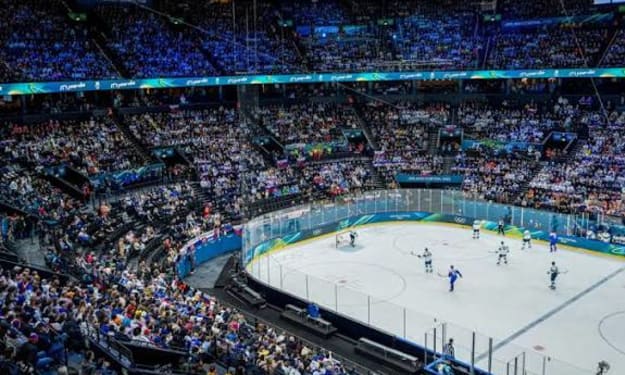
A fugitive who spent 16 years evading justice was arrested upon his return to Italy after traveling back to the country to attend the Winter Olympics, Italian authorities confirmed on Monday. The dramatic arrest ended one of the country’s longest-running manhunts and highlighted how international sporting events can draw unexpected attention — including from those seeking to disappear into the crowds. The man, whose identity has not been publicly disclosed under Italian privacy laws, had been wanted since 2009 for serious criminal offenses, including fraud and involvement in organized crime-related financial schemes. Investigators said he had lived under an assumed identity in several European countries before deciding to return to Italy to witness the Olympic Games in person. Authorities believe his desire to see the Games overpowered years of caution. “He thought enough time had passed,” said a senior police official. “But modern surveillance systems and international coordination meant that once he entered the country, he was quickly identified.” A Long-Forgotten Warrant The fugitive had been sentenced in absentia after failing to appear in court more than a decade ago. An arrest warrant remained active, but police admitted the trail had gone cold after several failed attempts to locate him abroad. Italian investigators reopened the case earlier this year when border control systems flagged a passport linked to his former identity. Surveillance teams discreetly tracked his movements after he arrived in northern Italy, where Olympic events were being held. Officers waited until he had settled into accommodation near a host city before moving in to make the arrest, avoiding public disruption during the Games. Olympic Crowds Provided Cover — and Clues Large international sporting events attract millions of visitors and create an environment where anonymity can feel possible. Police said the man likely believed he could blend into the influx of tourists. However, biometric border checks and hotel registration requirements made it easier for authorities to trace him once he crossed into the country. The arrest took place just hours before he was scheduled to attend an evening event, according to officials familiar with the operation. “It was almost cinematic,” one investigator said. “He came back to celebrate sport and ended up facing justice.” The incident occurred during the Milan-Cortina Winter Olympics, which have brought unprecedented security measures to Italy, including expanded police presence and cooperation with international law enforcement agencies. Life on the Run Court documents show that after fleeing Italy, the man lived for years in Spain and later in Eastern Europe, working informal jobs and avoiding official records. He used false names and avoided contact with relatives to prevent detection. Friends who later cooperated with police said he followed Italian news closely and dreamed of returning one day, particularly for a major cultural or sporting event. Investigators believe he underestimated how much technology had changed in the past 16 years. “Back then, disappearing was easier,” said a legal analyst. “Now databases talk to each other. A single passport scan can reopen a case from years ago.” Italy’s Message on Law Enforcement The arrest has been hailed by officials as proof of Italy’s strengthened judicial reach and the effectiveness of international cooperation. The Italian State Police said the operation was coordinated with border authorities and foreign partners who had tracked the suspect’s earlier movements. “This demonstrates that justice has no expiration date,” a police statement said. “Those who flee cannot assume they will remain invisible forever.” The government also stressed that Olympic security measures were designed not only to protect athletes and spectators but also to assist in detecting individuals with outstanding warrants. Public Reaction News of the arrest spread quickly across Italian media and social platforms, where many described the story as both ironic and symbolic. “It’s unbelievable,” one commentator wrote. “He escaped prison for 16 years but came back for sports.” Others praised the authorities for handling the arrest discreetly, avoiding scenes that could have disrupted Olympic events or endangered spectators. Legal Consequences The man was taken into custody and transferred to a high-security facility pending formal sentencing. Prosecutors said he will now serve the original prison term imposed years ago, along with potential additional charges related to document fraud and identity falsification. Legal experts say his voluntary return, even if unintentional, leaves him with little room for appeal. “He crossed the border under his real name,” said a criminal law professor. “That made the case straightforward.” A Warning to Other Fugitives Officials say the arrest sends a powerful message to fugitives living abroad: time does not erase legal responsibility. With major events like the Olympics increasing international data sharing, authorities expect more cold cases to be reopened. “This is not just about one man,” said an Interior Ministry spokesperson. “It’s about showing that justice can wait, but it does not forget.” As the Winter Olympics continue across Italy’s northern cities, the story of the fugitive who returned for sport and left in handcuffs has become a stark reminder that even moments of celebration can lead to long-delayed accountability.
By Fiaz Ahmed 7 days ago in The Swamp
North West Troops Train to Fight with NATO as Global Tensions Rise. AI-Generated.
Troops based in England’s North West are stepping up intensive training exercises designed to prepare them for potential deployment alongside allies in the NATO, as military planners respond to a changing global security landscape. The drills, which have taken place over recent weeks, focus on modern battlefield tactics, rapid deployment, and close cooperation with international forces. The training reflects a wider shift in defence priorities, with European armies strengthening readiness following ongoing conflicts in Eastern Europe and the Middle East. British commanders say the exercises are about ensuring that soldiers can operate seamlessly with allied units under NATO command if required. “These troops are training for the reality of today’s world,” said a senior officer overseeing the programme. “They must be able to deploy quickly, communicate with partners from other nations, and handle complex threats across land, air, and cyber domains.” Preparing for a New Era of Warfare The North West units, drawn from both regular and reserve forces, have been conducting live-fire exercises, urban combat simulations, and large-scale manoeuvres across military training grounds. Scenarios include defending key infrastructure, responding to cyberattacks, and supporting allied forces under a NATO mission mandate. Officials stress that this is not preparation for a single conflict but rather part of a long-term effort to ensure Britain remains a reliable partner within NATO’s collective defence system. Training has increasingly focused on interoperability — the ability of different nations’ forces to operate as one. Troops practice using shared command systems, NATO-standard equipment, and common battlefield procedures so that, in the event of deployment, confusion is minimized. “We are no longer training in isolation,” one instructor said. “Every exercise is built around working with allies — whether that’s logistics, communications, or frontline coordination.” Lessons from Recent Conflicts Military planners have incorporated lessons learned from recent wars, particularly the importance of drone technology, electronic warfare, and intelligence sharing. Soldiers are now routinely trained to counter unmanned aerial vehicles and to operate in environments where GPS and communications could be disrupted. Troops in the North West have also been drilled in casualty care under combat conditions, recognizing that modern warfare requires fast and advanced medical responses close to the front line. “These are skills that save lives,” said a medic taking part in the programme. “We train as if we’re already in a NATO operation zone.” The exercises have also included night operations and extreme-weather drills, simulating conditions soldiers might face in Eastern Europe or Arctic regions. Local Impact and Community Support The training programme has brought a visible military presence to parts of the North West, with residents reporting increased activity around bases and training areas. While some noise and disruption has been unavoidable, local councils say communities have largely been supportive. “We understand the importance of national defence and international cooperation,” said one council spokesperson. “Our communities are proud that local troops are contributing to global security.” Families of soldiers have also been briefed on the possibility of overseas deployment, with support services offered to help them prepare for extended absences. For many service members, the training represents both professional development and a sense of duty. “We know what’s at stake,” said one corporal. “This isn’t just about the UK — it’s about protecting our allies and standing by our commitments.” Britain’s Role in NATO The UK has long been one of NATO’s leading contributors, providing troops, intelligence, and equipment to multinational missions. Recent defence reviews have highlighted the need to strengthen forward presence in Eastern Europe and enhance rapid reaction forces. North West units are expected to form part of these rapid deployment groups, capable of moving within days if tensions escalate. Defence analysts note that the renewed emphasis on NATO training sends a political message as much as a military one. “It shows that the UK is serious about collective defence,” said one security expert. “This kind of training is meant to deter aggression by demonstrating readiness and unity.” Technology and the Future Soldier Alongside traditional combat drills, troops are being introduced to advanced technology, including battlefield sensors, encrypted communications, and simulation systems that recreate real combat conditions. Virtual reality training tools now allow soldiers to practice scenarios that would be too dangerous or costly to recreate in real life. Commanders say this blend of technology and field training is creating a more adaptable and resilient force. “You can rehearse an entire mission digitally before stepping onto the ground,” an officer explained. “It means fewer mistakes when it counts.” Looking Ahead The training programme will continue throughout the year, with joint exercises planned with other NATO nations in Europe. Some North West troops are expected to take part in multinational drills later this spring, testing their readiness in large-scale operations. For the soldiers involved, the message is clear: preparedness is no longer optional. “We hope we never have to use these skills in real conflict,” said one trainee. “But if the call comes, we’ll be ready.” As geopolitical tensions remain high, the North West’s contribution to NATO readiness underscores how local communities are increasingly connected to global security challenges. What happens on training grounds in northern England today could shape international responses tomorrow.
By Fiaz Ahmed 7 days ago in The Swamp
Fresh Snow and Ice Warnings Issued for Weekend as Arctic Air Hits the UK. AI-Generated.
Britain is bracing for a sharp return to winter conditions after forecasters issued fresh snow and ice warnings for the weekend, with Arctic air sweeping south across the country. Temperatures are expected to plunge well below seasonal averages, raising concerns about travel disruption, hazardous roads, and pressure on health services. The UK Met Office has warned that a band of cold air moving in from the north will bring freezing temperatures overnight and snowfall in several regions, particularly across Scotland, northern England, and higher ground in Wales. “This is a significant shift from the milder weather seen earlier in the month,” a spokesperson said. “People should be prepared for icy conditions, reduced visibility, and difficult journeys.” Arctic Blast Sweeps South Meteorologists say the cold spell is being driven by Arctic air descending from Scandinavia and the North Atlantic, replacing recent Atlantic systems that brought heavy rain and flooding to parts of the country. Daytime temperatures are expected to struggle above 2°C in northern regions, while overnight lows could drop to -6°C in rural areas. Snow showers are forecast for upland regions, with some lower-lying towns also at risk of temporary accumulations. The cold front is predicted to arrive late Friday, intensifying through Saturday and into Sunday. “It’s not unusual for February, but the contrast with recent wet and windy weather will feel dramatic,” said one forecaster. Travel Disruption Likely Transport authorities have urged motorists and rail passengers to check conditions before travelling. Ice forming on untreated roads could make driving dangerous, particularly early in the morning and late at night. Airports in Scotland and northern England are also preparing for possible delays if snowfall intensifies. Airlines have warned passengers to allow extra time for journeys and monitor flight updates closely. Network Rail confirmed that engineers will be on standby throughout the weekend to respond to frozen points and snow-covered tracks. “Even light snowfall can cause problems when temperatures drop quickly,” a rail official said. Health Warnings for Vulnerable Groups Health officials are advising older people and those with existing medical conditions to take extra precautions. Cold temperatures increase the risk of hypothermia, respiratory illness, and heart problems. GP practices and hospitals are preparing for a potential rise in weather-related admissions, particularly among elderly patients and those with chronic conditions. Local councils have also opened emergency shelters for people experiencing homelessness, as overnight temperatures fall below freezing. “We’re working with charities and community groups to ensure no one is left outside in these conditions,” a council spokesperson said. Impact on Schools and Services Some schools in rural and hilly areas have warned of possible closures if snow accumulates or roads become unsafe. Parents are being advised to check school websites and local authority announcements before setting out. Bin collections and other council services may also be disrupted if vehicles cannot safely access residential streets. Farmers have expressed concern about livestock, particularly newborn animals, as freezing winds and snowfall increase the risk of exposure. Contrast with Flooding Concerns The cold snap follows weeks of heavy rain that caused flooding in several parts of the Midlands and the north of England. While the drier Arctic air will reduce rainfall, melting snow later next week could add to pressure on already saturated ground. Environmental agencies are monitoring river levels closely, warning that rapid thawing could still trigger localized flooding. “People should not assume that the risk has passed simply because the weather turns cold,” one official said. Public Advised to Prepare Authorities are urging households to take simple steps to stay safe, including: Keeping warm with adequate heating and clothing Checking on elderly neighbors and relatives Stocking up on essential supplies Ensuring cars have antifreeze, fuel, and emergency kits Pet owners are also being advised to bring animals indoors where possible and protect outdoor water sources from freezing. When Will It End? Forecasters say the Arctic conditions are likely to persist for several days, with a gradual return to milder weather expected early next week. However, further cold spells cannot be ruled out as weather patterns remain unsettled across Europe. “There is still uncertainty about how long the cold air will hold,” the Met Office said. “People should keep checking forecasts and warnings as conditions may change quickly.” A Reminder of Winter’s Grip The sudden return of snow and ice serves as a reminder that winter is far from over. While many had hoped for an early taste of spring after recent storms, the Arctic blast is expected to bring renewed challenges for communities already dealing with the effects of extreme weather. Emergency services say preparation and caution will be key in the days ahead. “This weekend is about staying safe,” said a police spokesperson. “If you don’t need to travel, consider staying at home until conditions improve.” As Britain prepares for freezing winds, icy roads, and falling snow, residents are being urged to take weather warnings seriously and look out for one another during the coldest weekend of the season.
By Fiaz Ahmed 7 days ago in The Swamp
Scandals Cloud ‘Sinister’ French Ice Dancers Who Beat Americans for Controversial Gold. AI-Generated.
The victory of France’s top ice dancing pair at the Winter Olympics has been overshadowed by controversy, accusations of biased judging, and a series of scandals that critics say tarnish one of the most dramatic moments of the Games. Their gold-medal performance, which edged out the American favorites by a narrow margin, has ignited fierce debate within the figure skating world and among fans watching around the globe. The French duo’s routine — dark, theatrical, and described by commentators as “sinister” in tone — impressed judges with its technical difficulty and emotional intensity. Yet many viewers questioned how it could have outscored the Americans, who delivered a technically clean and widely praised performance. The uproar has quickly grown beyond artistic preference and into deeper concerns about transparency, politics, and past disciplinary issues surrounding the French team. A Victory That Sparked Immediate Doubts When the final scores were announced, the arena reacted with both cheers and audible surprise. Social media erupted within minutes, with fans replaying side-by-side footage of the routines and accusing judges of favoring style over substance. Several former champions and skating analysts publicly expressed confusion over the scoring gap. “It was a matter of fractions, but those fractions decide history,” said one retired Olympic medalist. “People deserve to understand how those numbers were reached.” The Americans’ coaching team filed a formal inquiry, not contesting the result outright but requesting clarification on component scores related to artistry and interpretation — categories often criticized for being subjective. Shadows from the Past Fueling the backlash are previous controversies involving the French skaters and their coaching staff. Years earlier, the pair had been linked to a training camp investigated for alleged emotional abuse of younger athletes. While no formal ban was imposed on the skaters themselves, the incident left lingering questions about the environment in which they trained. In addition, leaked messages from a former federation official suggested behind-the-scenes lobbying ahead of major competitions. Though the authenticity of the messages has not been legally proven, they have resurfaced following the Olympic win and intensified suspicions about political influence within international figure skating. Critics argue that the pair’s victory fits a troubling pattern in which reputations and federation power can outweigh on-ice performance. Judging Under the Microscope The International Skating Union, represented by the International Skating Union, defended the judging panel, stating that all scores were awarded according to established rules and reviewed for consistency. “The panel followed protocol,” the ISU said in a statement. “There is no evidence of irregularity or misconduct.” Still, calls for reform have grown louder. Some experts argue that the current system gives too much weight to artistic components that cannot be objectively measured. “Technical elements can be counted and reviewed,” said a sports ethics researcher. “But interpretation and choreography remain vulnerable to unconscious bias.” A Performance Called “Sinister” Part of the controversy also stems from the routine itself. The French pair skated to music inspired by psychological thrillers, incorporating sharp, unsettling movements and dark facial expressions. While supporters praised its originality, others felt the theme crossed into theatrics at the expense of skating fundamentals. The Americans, by contrast, presented a more traditional program emphasizing precision and harmony. “This became a clash of philosophies,” said one judge who spoke anonymously. “Innovation versus classic ice dance.” Public and Political Reaction French media celebrated the win as a triumph of creativity and courage. Headlines described the skaters as “artists who dared to be different.” Meanwhile, American outlets questioned whether the result reflected fair competition. Politicians in both countries avoided direct criticism but praised their athletes for professionalism under pressure. The controversy has since become a symbol of broader dissatisfaction with judged sports, where outcomes are determined by panels rather than clocks or finish lines. Impact on the Sport The debate arrives at a sensitive time for figure skating, which has struggled with credibility after past judging scandals. Officials fear that public trust could erode further if reforms are not introduced. Some proposals now under discussion include: Reducing the weight of artistic scores Increasing transparency of judges’ identities Publishing detailed breakdowns of scoring decisions Fans, meanwhile, remain divided. Supporters of the French pair argue that bold choreography should be rewarded and that innovation keeps the sport alive. Detractors insist that technical accuracy must remain the primary standard. Looking Ahead As the dust settles from the Games, the French champions are preparing for a world tour of exhibitions, while the American runners-up focus on next season’s competitions. Both teams have said they want to move forward and let their skating speak for itself. Yet the controversy is unlikely to fade quickly. Analysts say the result will be studied for years as an example of how modern ice dancing balances sport and art — and how fragile that balance can be. The gold medal ceremony at the Winter Olympics was meant to be a celebration of excellence. Instead, it has become a flashpoint for debate about fairness, influence, and the future of judged sports. In a discipline where fractions of a point separate triumph from heartbreak, the French victory may ultimately be remembered not only for its choreography but for the questions it raised about what truly defines winning on the ice.
By Fiaz Ahmed 7 days ago in The Swamp
Indian Scrapyards Welcome Growing Number of Dark Fleet Tankers. AI-Generated.
Indian shipbreaking yards are witnessing a sharp rise in the arrival of so-called “dark fleet” oil tankers — aging vessels that operate outside mainstream regulatory systems and are often linked to sanctioned or opaque energy trade routes. Industry sources say the trend reflects both tightening international enforcement and the deteriorating condition of ships that have spent years transporting oil under secrecy. The vessels, many of which previously served Russian, Iranian, or Venezuelan oil shipments, are now reaching the end of their operational life. India’s massive ship recycling sector has emerged as a primary destination for their dismantling. What Is the “Dark Fleet”? The term “dark fleet” refers to tankers that frequently switch flags, disable tracking systems, and use complex ownership structures to avoid scrutiny. These ships expanded rapidly after Western sanctions were imposed on Russia’s oil exports following the Ukraine war, and similar tactics had already been used by fleets linked to Iran and Venezuela. Analysts estimate that hundreds of tankers now operate in this shadow network, moving crude oil and petroleum products through indirect routes and offshore transfers. “These ships were never meant to last forever,” said a maritime risk consultant. “Many are now too old and unsafe to continue sailing, so scrapyards are the final stop.” India Becomes a Key Destination India is home to one of the world’s largest ship recycling industries, centered around the coastal hub of Alang in Gujarat. Known for dismantling everything from cargo ships to aircraft carriers, Alang has increasingly received tankers suspected of being part of the dark fleet. Shipbreakers say the vessels often arrive with minimal documentation and under flags of convenience such as Gabon, Cameroon, or Mongolia. Once cleared by Indian authorities, the ships are beached and dismantled piece by piece for scrap steel. Steel recovered from these ships feeds India’s booming construction and manufacturing sectors, making the business highly profitable despite growing scrutiny. Regulatory Concerns Environmental and safety groups have raised alarms over the risks posed by these tankers. Many dark fleet ships are more than 20 years old and lack proper maintenance records. They can contain hazardous materials such as asbestos, oily sludge, and toxic paint residues. The International Maritime Organization has repeatedly warned about unsafe practices linked to aging tankers and illegal oil transfers at sea. “These vessels pose a threat not just to crews but also to coastal ecosystems,” said a spokesperson for an environmental watchdog group. “If they are not dismantled under strict safety rules, the pollution cost will be enormous.” India has introduced tougher ship recycling standards in recent years, including compliance with the Hong Kong Convention for safe and environmentally sound ship recycling. Officials say every vessel entering Indian scrapyards must provide documentation proving it is free of radioactive or prohibited materials. A Result of Sanctions Pressure Experts say the influx of dark fleet tankers into scrapyards is a direct consequence of tighter sanctions enforcement by Western governments. Insurance companies and major shipping registries have cut off support to vessels suspected of violating oil price caps or sanctions. Without insurance and port access, many of these ships can no longer trade safely. “Once a tanker loses insurance, it becomes commercially useless,” said a shipping analyst in Mumbai. “Scrapping is the only option left.” Some tankers arriving in India are believed to have transported Russian crude to Asia at discounted prices before being retired. Others previously moved oil between the Middle East and China under opaque arrangements. Economic Benefits vs Ethical Questions For India’s shipbreaking industry, the arrival of more tankers means steady business and employment for thousands of workers. Local steel mills benefit from a consistent supply of scrap metal, keeping prices stable. However, critics argue that dismantling dark fleet vessels indirectly supports a system that helped evade international sanctions. “There is a moral dilemma here,” said a geopolitical expert. “India is not violating sanctions by scrapping ships, but it is benefiting from a trade that exists because of them.” Indian authorities maintain that ship recycling is a lawful industrial activity and that vessels are processed according to domestic and international regulations. Environmental and Worker Safety Risks Shipbreaking has long been controversial because of hazardous working conditions. Laborers often work with cutting torches near fuel residues and toxic materials. Although safety standards have improved, accidents still occur. Local NGOs in Gujarat say dark fleet tankers may be more dangerous than average because their maintenance history is unknown. “These ships were pushed to their limits,” said one activist. “They are floating environmental hazards when they arrive.” What Comes Next With sanctions on Russia and Iran likely to remain in place for years, analysts expect more dark fleet tankers to reach scrapyards across South Asia, including India, Bangladesh, and Pakistan. India’s government is under pressure to ensure that shipbreaking does not become a backdoor service for illegal shipping networks. Regulators are now reviewing stricter background checks on vessel ownership and previous trading routes. At the same time, global shipping companies are watching closely. The dismantling of older tankers may reduce supply in the shadow fleet, potentially tightening enforcement of oil sanctions worldwide. A Quiet End for Shadow Ships For vessels that once moved millions of barrels of oil across hidden routes, their final destination is silent and industrial: a beach lined with cranes and cutting torches. What began as a strategy to bypass sanctions is ending in scrapyards, where steel is melted down and reused for buildings, bridges, and factories. The growing presence of dark fleet tankers in Indian yards highlights a little-seen consequence of global geopolitics — where international conflict, energy markets, and environmental responsibility intersect on the country’s shores.
By Fiaz Ahmed 7 days ago in The Swamp
Rubio Warns Europe of New Era in Geopolitics Ahead of Major Munich Speech. AI-Generated.
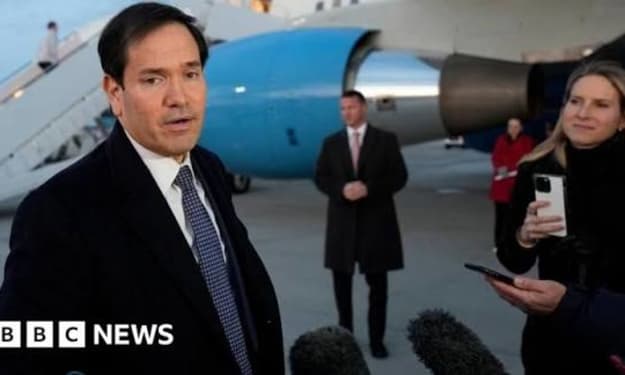
U.S. Senator Marco Rubio has warned European leaders that the world is entering a new and more dangerous era of geopolitics, marked by shifting alliances, intensifying great-power competition, and growing instability. His remarks come ahead of a highly anticipated speech at the Munich Security Conference, one of the world’s most influential gatherings of political and security leaders. In comments released before his address, Rubio said that Europe and the United States must prepare for a future defined less by cooperation and more by rivalry among major powers, particularly involving China, Russia, and regional actors seeking to challenge the Western-led international order. “We are no longer living in the post–Cold War moment,” Rubio said. “We are entering a period where power politics is returning, and democracies must be prepared to defend not only their interests but their values.” A Changing Global Landscape Rubio’s warning reflects growing concern in Washington that global politics is undergoing a fundamental transformation. Conflicts in Ukraine and the Middle East, rising tensions in the Indo-Pacific, and the spread of advanced military technologies have reshaped strategic thinking across NATO and the European Union. According to Rubio, Europe can no longer assume that peace and stability will be guaranteed through diplomacy alone. He argued that defense spending, military readiness, and technological innovation must become central priorities for Western nations. “The idea that economic interdependence alone would prevent conflict has proven wrong,” he said. “Authoritarian states are using trade, energy, and technology as tools of coercion.” His message is expected to resonate strongly in Munich, where leaders from more than 40 countries will discuss security threats ranging from cyber warfare and artificial intelligence to energy security and climate-related risks. Focus on Russia and China A central theme of Rubio’s upcoming speech is expected to be the twin challenges posed by Russia and China. He has consistently described Russia’s war in Ukraine as a defining conflict for Europe’s future and warned that failure to deter Moscow could embolden other powers. Rubio is also expected to urge European governments to reduce their economic dependence on China, particularly in strategic sectors such as telecommunications, rare earth minerals, and advanced manufacturing. “Europe must decide whether it wants strategic autonomy or strategic vulnerability,” Rubio said. “You cannot rely on authoritarian regimes for the foundations of your economy and security.” His comments come as several European countries reassess their trade and investment policies with Beijing, amid fears of supply chain disruption and political pressure. Pressure on NATO Unity Rubio’s remarks also highlight concerns over unity within NATO. While the alliance has expanded and strengthened its eastern defenses since the Ukraine war, divisions remain over burden-sharing and long-term strategy. He warned that internal disagreements could weaken Europe’s ability to respond to future crises. “Adversaries are watching for cracks in our unity,” Rubio said. “They believe democracies are too divided and too slow to act. We must prove them wrong.” The senator is expected to call for closer U.S.–European cooperation on defense production, intelligence sharing, and joint military exercises, arguing that fragmented responses would only benefit rival powers. Europe’s Role in a New Era European officials attending the Munich conference are likely to view Rubio’s speech as both a challenge and a reassurance. On one hand, his message underscores the seriousness of the threats facing Europe. On the other, it signals continued American engagement in European security at a time when questions persist about the future direction of U.S. foreign policy. Several European diplomats have privately acknowledged that the geopolitical environment has changed more rapidly than anticipated. One senior EU official said that Rubio’s warning reflects “a broader recognition that the old assumptions about stability no longer apply.” The conference is expected to include discussions on strengthening Europe’s defense industry, protecting critical infrastructure, and coordinating responses to hybrid threats such as disinformation campaigns and cyberattacks. A Broader Political Signal Rubio’s appearance in Munich also carries political significance at home. As a prominent voice on foreign policy in the U.S. Senate, he has positioned himself as a leading advocate for a tougher stance on authoritarian powers and for renewed leadership among democratic allies. His speech is likely to be seen as part of a broader effort to shape Western strategy for the coming decade, emphasizing deterrence, resilience, and unity. Analysts say his warning should not be interpreted as pessimism but as a call to action. “This is about preparing Europe and the United States for a world where competition is the norm,” said one transatlantic security expert. “Rubio is urging leaders to face reality and adapt.” Looking Ahead As Rubio takes the stage in Munich, his message will test how ready European governments are to confront a harsher geopolitical climate. Whether his call leads to concrete policy shifts remains to be seen, but his warning underscores a growing consensus that the global order is entering a period of profound change. For Europe, the challenge will be to translate rhetoric into long-term strategy — ensuring that security, economic independence, and democratic values remain at the center of its response to a rapidly evolving world.
By Fiaz Ahmed 7 days ago in The Swamp