agriculture
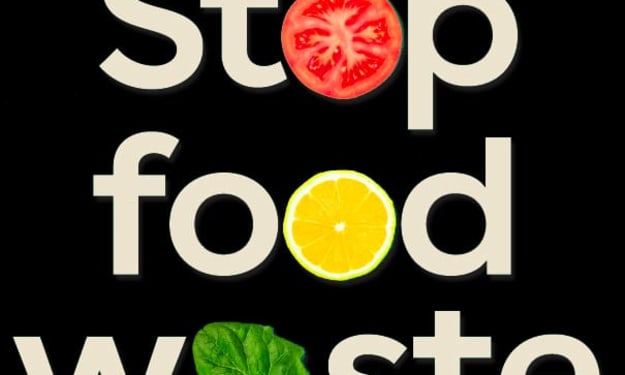
Tackling food waste, research and global debates about agricultural sustainability and how to feed our population while still saving some for later.
BRINGING FOOD PRODUCTION, STORAGE AND DISTRIBUTION TO THE BLOCKCHAIN
GLOBAL FOOD NETWORK (GFN) BRINGING FOOD PRODUCTION, STORAGE AND DISTRIBUTION TO THE BLOCKCHAIN The Food Coin (TFC) FACT: “The global food system is dysfunctional. People go to bed hungry in some countries while others consume too many calories and throw away massive amounts of food. Opportunities to fix the broken food system are urgently needed”
By Joshua Jogo6 years ago in The Swamp
Famine, The Third Horseman Of The Apocalypse
Famine, the third Horseman of the Apocalypse is galloping onward. Can we stop him in time? That remains to be seen. But, we do have a chance. But, only if we recognize how dire the world's food supply really is. This Pandemic has only intensified the shortages of food all over the world. And, yet we for the most part are only focus has been on stopping the spread of this very infectious virus. We can not wait until another catastrophic disaster hits before we do something about it right now. And that is immediately usher in protective measures to secure our food supply will be available when we actually need it. We are already seeing acute signs of shortages of food and rising prices. Now, is the time to act before it really is too late.
By Dr. Williams6 years ago in The Swamp
The dying planet: its a rich man's world
In the fight to keep our Earth turning, its money that makes the world go round. The world's richest 1% encompasses 44% of global wealth and some of the members of this exclusive club, coincidentally (or not-so-coincidentally) happen to be some of the world's most influential. Jeff Bezos, Mark Zuckerberg and the like have the ultimate power for change - which makes it all the more damaging that they contribute the least to the cause. Greta Thunberg and the Extinction Rebellion have done well to inspire ordinary folk like you and me to do their own bit for the environment, however, Greta did not set out to do this, in fact, her goal was to arouse change in the men with the moolah: the celebrities, the CEOs, the biggest influencers.
By Laura Simons6 years ago in The Swamp
Subsidizing Non-Meat Farming
As we all know eating too much of anything is bad for you. Although, you can eat much more vegetables than meat before it becomes bad for you. Eating meat might not be bad for you in moderation but we consume so much of it. It can lead to a number of illnesses that are totally preventable.
By Brian Anonymous6 years ago in The Swamp
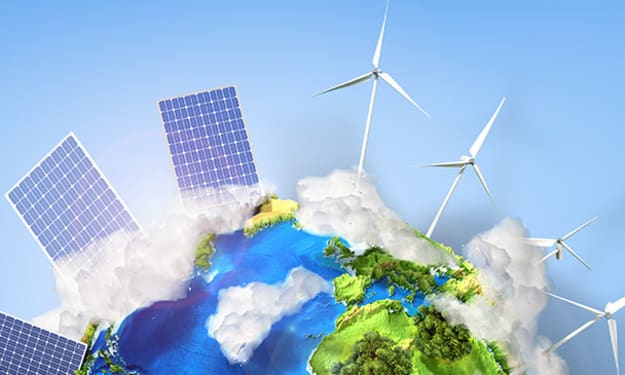
Solar And Wind Power Have Become Affordable!
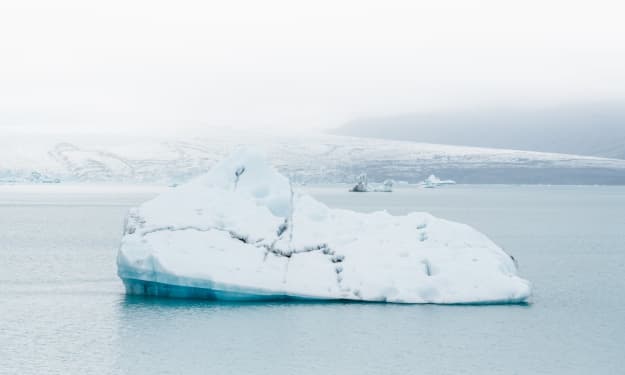
In today’s world of constant change and technological advancements, we have witnessed a rise in pollution, and exhaustion of natural resources. The world is getting hotter, while we continue to pollute and degrade our planet. Ecosystems are being destroyed, and wastelands are filling up to their brim. To put it into perspective, according to National Geographic scientists, Alaskan glaciers are melting one hundred times faster than was previously thought. The world’s population is rising exponentially, leading to an increase in the number of vehicles on roads, and in turn the consumption of petrol and diesel.
By Michal Kuchař6 years ago in The Swamp
Neonicotinoids: A Bee’s Death Sentence
For the past couple of years, rising allegations from environmental groups have accused The Environmental Protection Agency (EPA) and the agricultural industry of lackadaisical environmental regulations and poor Agriculture practices, which are triggering a collapse of colonies in the wake of the most recent demising in bees.
By C.R. Pattison6 years ago in The Swamp
Global Warming: Truth or Myth?
In December 2014, fifty scientists and disseminators, members of the Committee for Skeptical Research, published a manifesto asking that those who question the theory of climate change and its anthropocentric origin not be called skeptics.
By creatorsklub6 years ago in The Swamp
Nature Is Engraved into Our Bones
A couple summers ago I went on a trip for one of my classes. We visited two farms; one used organic farming techniques, while the other was a large farming industry that produced cherries. We visited both places in order to see the different perspectives each farmer had on how they viewed money and the industry as a whole, and see what values they stand by and how that influences the way they do business. The organic farmer discussed the hardships of using natural processes and steering away from using pesticides and preservatives.Though it takes a lot more work and he receives less of a profit than his competitors, his respect for the land pushes him to continue utilizing natural methods that are beneficial for the crops and land. On the contrary, the owner of the cherry farm was very driven by keeping his production rates high and making a large profit. He did not find any problems with using pesticides and preservatives for his product, saying that the processes he uses on his farm has no implications on the land. He said that its a necessary means in order to please the consumer and have a better product than your competitor. His mentality was similar to an article I read, "Making Meat," by Boyd W. The article discussed how technology has changed the dynamic of biological processes and humans have found a way to alter things within nature in order to better suit their needs. Nature has become subjected to industrialization and is used and abused for the sole purpose of industries and large corporations to make a profit and spread their business globally. However; trying to fight and go against the structures of nature has implications on its own. As discussed in the article selective breeding reduces genetic diversity, creating genetic monocultures and the excessive use of antibiotics increases the risk of an outbreak of antibiotic resistant bacteria.
By Jasmine Elbekraoui6 years ago in The Swamp
3 Compelling Reasons Why You Should Use Less Plastic (And 7 Simple Ways You Can Do So)
De Beers indoctrinated a generation to believe that “diamonds are forever…" but over time, we’ve learned that it’s plastic that lasts forever. And as it turns out, this has serious implications for our future as a species.
By Aubrey Holt6 years ago in The Swamp