
Silver Price Per Ounce: A Complete Guide to Market Trends and Future Outlook
What Does Silver Price Per Ounce Mean?
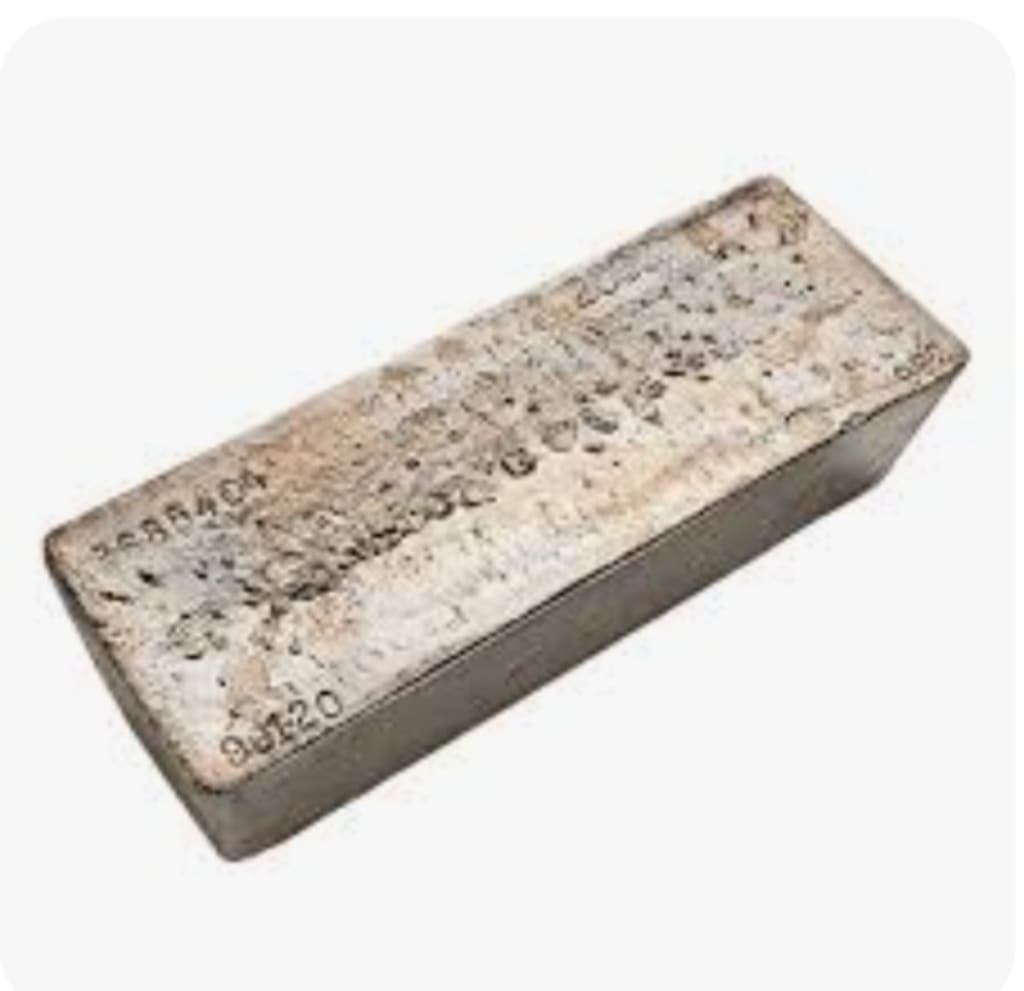
Silver has always held a unique position in the global financial system. Known as both a precious metal and an essential industrial resource, silver plays a dual role that strongly influences its price per ounce. In recent years, the silver market has gained renewed attention from investors, analysts, and industries alike due to sharp price movements, rising industrial demand, and global economic uncertainty.
Understanding the silver price per ounce is essential for anyone interested in commodities, long-term investing, or economic trends. This article explores what silver’s price represents, the factors that drive it, and what the future may hold.
What Does “Silver Price Per Ounce” Mean?
The silver price per ounce refers to the value of one troy ounce of silver, which equals approximately 31.1 grams. This is the international standard used in precious metals trading. The most commonly referenced price is the spot price, which represents the current market rate for immediate delivery.
Silver prices fluctuate continuously throughout the trading day as markets respond to changes in supply, demand, currency strength, inflation data, and investor behavior. Even small shifts in these factors can cause noticeable price movements.
A Brief History of Silver Prices
Historically, silver has been used as money, jewelry, and a store of value for thousands of years. For much of the 20th century, silver prices remained relatively stable, often trading well below gold. However, in the modern era, silver has experienced several dramatic price cycles.
Notable spikes occurred during periods of high inflation, financial crises, and increased industrial usage. Compared to gold, silver tends to be more volatile, meaning its price rises faster in bull markets and falls more sharply during corrections.
Key Factors Influencing Silver Price Per Ounce
1. Industrial Demand
One of the strongest drivers of silver prices today is industrial demand. Silver is a critical component in many industries, including:
Solar panels and renewable energy systems
Electronics and semiconductors
Electric vehicles and batteries
Medical equipment and antibacterial applications
As the world transitions toward clean energy and advanced technology, the demand for silver continues to grow. This industrial reliance creates long-term pressure on supply, often pushing prices higher.
2. Supply Constraints
Unlike gold, most silver is produced as a byproduct of mining other metals such as copper, zinc, and lead. This means silver supply does not quickly increase even when prices rise.
Opening new mines or expanding production can take many years, leading to structural supply shortages. When demand rises faster than supply, the price per ounce naturally increases.
3. Inflation and Currency Value
Silver is widely considered a hedge against inflation. When the purchasing power of fiat currencies declines, investors often move capital into precious metals to preserve value.
A weakening U.S. dollar typically supports higher silver prices, since silver becomes cheaper for foreign buyers. Conversely, a strong dollar can place downward pressure on prices.
4. Investor and Safe-Haven Demand
During times of economic uncertainty, geopolitical tension, or financial market instability, silver often attracts investors seeking safety. While gold is traditionally the primary safe-haven asset, silver benefits from similar demand—especially among retail investors.
Silver exchange-traded funds (ETFs), futures contracts, and physical bullion purchases all influence price movements by increasing or reducing overall market demand.
5. Market Speculation and Volatility
Silver is known for its volatility. Because the silver market is smaller than gold, large trades by institutional investors or hedge funds can cause rapid price changes.
Speculation, leverage, and short-term trading strategies often amplify price swings, making silver attractive to traders but risky for inexperienced investors.
Why Silver Is More Volatile Than Gold
While both metals are considered stores of value, silver’s heavy industrial usage makes it more sensitive to economic growth and slowdowns. When industrial production rises, silver demand increases sharply. When economies weaken, demand can fall just as quickly.
This dual nature—precious metal and industrial commodity—explains why silver prices often move more dramatically than gold prices.
Is Silver a Good Investment?
Silver offers several advantages as an investment:
Lower entry cost compared to gold
Strong industrial demand supporting long-term value
Hedge against inflation and currency depreciation
Portfolio diversification benefits
However, silver also carries risks, including price volatility and sensitivity to economic cycles. Many investors choose to balance silver holdings with other assets to manage risk effectively.
Future Outlook for Silver Price Per Ounce
Looking ahead, silver’s long-term outlook remains closely tied to global technological and environmental trends. The continued expansion of renewable energy, electric vehicles, and digital infrastructure is expected to sustain industrial demand.
At the same time, limited supply growth and increasing investment interest could support higher prices over the long run. Short-term volatility is likely to remain, but silver’s strategic importance suggests it will continue to play a vital role in global markets.
Final Thoughts
The silver price per ounce is more than just a number—it reflects global economic health, technological progress, and investor confidence. With its unique combination of industrial utility and monetary value, silver stands apart from other commodities.
For investors, understanding the forces behind silver’s price is essential for making informed decisions. Whether viewed as a hedge, a growth asset, or a diversification tool, silver remains one of the most fascinating and dynamic metals in the global marketplace.
About the Creator
Keep reading
More stories from Ayesha Lashari and writers in The Swamp and other communities.
Buried for 33 Years: The Untold Stories of Forgotten History
History, in its vastness and complexity, has a way of burying certain events, individuals, and narratives under the weight of time. These stories, once hidden, forgotten, or suppressed, are often left to rest for decades before finally being rediscovered, like treasures unearthed after a long sleep. One such story, buried for 33 years, is a reminder of how much history can be lost, intentionally or by circumstance, and how its rediscovery can shift our understanding of the world.
By Ayesha Lashariabout 8 hours ago in The Swamp
Trump Family Crypto Firm Sold Major Stake to UAE Investment Firm
A cryptocurrency company linked to members of the Trump family has sold a significant ownership stake to a major investment firm based in the United Arab Emirates, according to sources familiar with the transaction. The deal highlights the growing role of Middle Eastern capital in the global digital asset market and raises new questions about the intersection of politics, private business interests, and emerging financial technologies. The firm, which operates in blockchain services and digital asset management, has been expanding its footprint in international markets over the past two years. While financial terms of the transaction were not publicly disclosed, the UAE investment firm is believed to have acquired a substantial minority stake, giving it influence over strategic decisions and future expansion plans. Representatives for the Trump family business interests declined to comment in detail on the transaction but said the company remains independently managed and focused on innovation in the digital economy. A Strategic Investment Move The sale comes at a time when cryptocurrency companies are seeking stable sources of funding following volatility in global markets. The UAE has emerged as a hub for crypto-related investment due to its regulatory framework, which is viewed as more welcoming to digital assets than those of many Western nations. Industry analysts say the partnership reflects a broader shift in how crypto firms are financed and governed. “This is part of a trend where capital from the Gulf region is becoming increasingly important in shaping the future of blockchain enterprises,” said a digital finance researcher. “It also reflects how politically connected business ventures are seeking international partners to expand their legitimacy and reach.” The UAE investment firm involved in the deal reportedly manages billions of dollars in assets across technology, infrastructure, and energy sectors. Its entry into the crypto market aligns with the country’s push to diversify its economy away from oil dependence and toward advanced technology and financial services. Political and Ethical Scrutiny Because the company is associated with members of the Trump family, the transaction has drawn scrutiny from ethics experts and political watchdog groups. Former President Donald Trump has been increasingly vocal in recent years about cryptocurrency and digital finance, shifting from earlier skepticism to a more supportive stance. Critics argue that foreign investment in a firm tied to a prominent political family raises concerns about influence and transparency, especially if Trump returns to public office or maintains strong political power. “Any time a business connected to a political dynasty receives substantial foreign investment, it creates questions about conflicts of interest,” said a government ethics analyst. “Even if everything is legal, perception matters greatly in democratic systems.” Supporters counter that the firm operates as a private commercial entity and that international investment is common in the technology sector. “There is no evidence that this transaction violates any law,” said a spokesperson familiar with the deal. “This is a standard business arrangement driven by market opportunity, not politics.” The Firm’s Role in Crypto Markets The Trump-linked crypto firm has positioned itself as a bridge between traditional finance and blockchain-based services. Its offerings reportedly include digital asset custody, tokenized investments, and advisory services for institutional clients seeking exposure to cryptocurrency markets. Over the past year, the company has launched several pilot projects focused on tokenizing real-world assets, such as real estate and commodities, allowing investors to trade fractional ownership on blockchain platforms. Executives involved in the venture have described their mission as making crypto more accessible and regulated, appealing to mainstream investors wary of risk. “Digital assets are moving out of the shadows and into the financial system,” one executive said in a recent interview. “We want to be part of that transition.” The UAE investment firm is expected to help accelerate this vision by providing capital and connections to financial institutions in the Middle East and Asia. Regulatory Environment and Global Impact The deal comes amid shifting regulatory landscapes for cryptocurrencies worldwide. In the United States, regulators continue to debate how digital assets should be classified and supervised. Meanwhile, the UAE has developed licensing regimes for crypto exchanges and blockchain firms that attract international businesses. Experts say such cross-border deals could complicate regulatory oversight. “When a politically connected American firm partners with a foreign investment group, it creates layers of jurisdiction and accountability,” said a professor of international finance. “That can be perfectly legal, but it also demands transparency.” The partnership may also signal growing competition between financial centers such as New York, London, Dubai, and Singapore for leadership in the digital economy. Public Reaction and Market Response News of the transaction generated mixed reactions online. Supporters praised the deal as evidence of strong investor confidence in U.S.-based crypto innovation. Critics questioned whether political branding was being used to attract foreign capital. Some market analysts noted that the firm’s valuation reportedly increased following the announcement, suggesting investors see strategic value in the UAE partnership. “The optics may be controversial, but the market tends to focus on growth potential,” said one investment strategist. “Access to Gulf capital can dramatically expand a company’s operational reach.” Looking Ahead While the full details of the stake sale remain confidential, observers expect further disclosures as regulatory filings are completed. The firm is reportedly planning to expand into new regions and launch additional blockchain products in the coming year. For the Trump family-linked venture, the deal marks a significant step toward becoming a global player in digital finance. For policymakers and ethics watchdogs, it also raises important questions about how political influence, private enterprise, and international investment intersect in the rapidly evolving crypto economy. Conclusion The sale of a major stake in a Trump family crypto firm to a UAE investment company underscores the growing globalization of the cryptocurrency industry and the increasing involvement of politically connected enterprises in digital finance. While supporters see the move as a strategic business decision, critics argue it highlights the need for greater transparency and ethical safeguards. As cryptocurrency continues to reshape global finance, deals like this will likely become more common—and more closely examined—by regulators, investors, and the public alike.
By Fiaz Ahmed about 19 hours ago in The Swamp
Jerome Powell
Few figures wield as much influence over the global economy as the chair of the U.S. Federal Reserve. Jerome Powell has held that responsibility during one of the most economically complex periods in modern history—marked by inflation concerns, shifting interest rate policies, political pressure, and growing debate about the independence of central banks. As his term approaches its conclusion, attention is increasingly turning toward potential successors, with former Federal Reserve governor Kevin Warsh emerging as a prominent name in policy discussions.
By Saboor Brohi 4 days ago in The Swamp
Dead and Wearing Green
She was wearing that green dress when I first saw her, five years ago to the day. Flowing meadow fabric draped over long legs, thick auburn hair flowing down her back. That smile. Of course, she is still beautiful now. But now she is no longer alive.
By Karen Cave5 days ago in Fiction



Comments
There are no comments for this story
Be the first to respond and start the conversation.