
Researchers Praise ‘Stunning’ Results of New Prostate Cancer Treatment
Breakthrough therapy shows remarkable survival gains, raising fresh hope for patients and clinicians worldwide
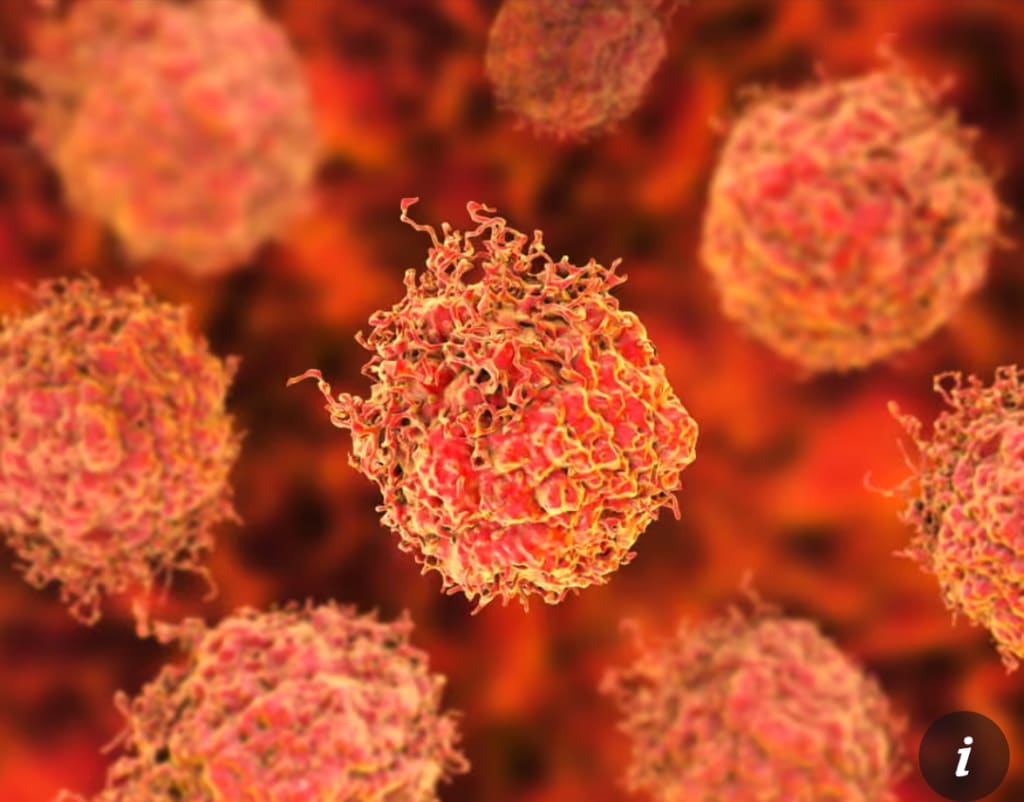
In a development that researchers are calling “stunning,” a new prostate cancer treatment has delivered results that could significantly reshape how one of the most common cancers in men is treated. Early data from clinical trials indicate substantial improvements in survival rates and disease progression, prompting cautious optimism across the oncology community.
Prostate cancer remains one of the leading causes of cancer-related deaths among men globally. While many cases grow slowly and respond well to conventional treatment, aggressive forms of the disease can spread rapidly and become resistant to existing therapies. For decades, researchers have searched for treatments that not only prolong life but also improve its quality.
Now, a new therapeutic approach appears to offer both.
A Persistent Global Health Challenge
According to international cancer statistics, prostate cancer affects millions of men each year. Advances in screening and early detection have improved outcomes in many regions, yet advanced or metastatic prostate cancer remains difficult to treat.
Standard treatment options typically include surgery, radiation therapy, hormone therapy (androgen deprivation therapy), chemotherapy, and newer targeted agents. While these interventions can slow progression, resistance frequently develops.
When cancer becomes resistant to hormone therapy — known as castration-resistant prostate cancer — treatment options narrow considerably. This stage often marks a turning point in disease management, with survival prospects declining.
The new therapy aims to intervene precisely at this critical stage.
What Makes the Results “Stunning”?
Researchers involved in the recent study report that patients receiving the experimental treatment experienced significantly longer progression-free survival compared to those receiving standard care.
In some cases, tumor growth slowed dramatically. In others, measurable tumor shrinkage was observed. Equally important, the therapy appeared to maintain a manageable safety profile, with side effects considered acceptable relative to its benefits.
Experts emphasize that while the term “stunning” reflects enthusiasm, scientific caution remains essential until longer-term data and peer-reviewed publications confirm the durability of results.
Still, the magnitude of improvement has drawn attention at major oncology conferences.
How the Treatment Works
Although specific details vary depending on the therapy in question, many recent breakthroughs in prostate cancer treatment fall into one of three categories:
Targeted radioligand therapy
Advanced immunotherapy
Precision molecular targeting
These approaches aim to attack cancer cells more selectively than traditional chemotherapy, minimizing harm to healthy tissue.
Some treatments use radioactive molecules designed to bind specifically to prostate cancer cells, delivering radiation directly to tumors. Others harness the body’s immune system to identify and destroy malignant cells more effectively.
Precision medicine — tailoring therapy based on genetic mutations within tumors — has also gained traction.
Researchers believe that the latest breakthrough combines targeted delivery with improved patient selection, optimizing outcomes.
Implications for Patients
For patients living with advanced prostate cancer, even incremental gains in survival can be meaningful. Treatments that delay disease progression often translate into more time with family, better physical functioning, and improved psychological well-being.
The new therapy’s apparent ability to extend progression-free survival may also postpone the need for more aggressive or toxic treatments.
However, access remains a critical consideration. Breakthrough therapies often come with high development costs, raising questions about pricing and availability once approved.
Healthcare systems will need to balance innovation with affordability.
The Importance of Clinical Trials
The promising results emerged from controlled clinical trials involving hundreds of participants. Clinical trials remain the gold standard for evaluating safety and effectiveness.
Participants are typically divided into groups receiving either the new therapy or standard treatment. Researchers monitor outcomes over time, tracking tumor response, survival rates, and adverse effects.
Positive early results must be validated in larger, longer-term studies before regulatory approval.
Still, oncologists note that such promising early data often signals a meaningful step forward.
Cautious Optimism Among Experts
Cancer researchers are careful not to overstate findings prematurely. Many past treatments have shown early promise only to produce mixed long-term results.
Nevertheless, the current data appear robust enough to generate excitement within the field.
Leading oncologists have described the findings as “practice-changing” if confirmed. Some suggest the therapy could eventually become part of first-line treatment for certain high-risk patients.
Others emphasize that combination therapy — pairing the new treatment with existing options — may further enhance outcomes.
A Broader Shift in Cancer Care
The success of this prostate cancer therapy reflects a larger trend in oncology: the movement toward precision and personalization.
Rather than applying one-size-fits-all chemotherapy, doctors increasingly rely on biomarkers, imaging technology, and genetic profiling to guide treatment decisions.
Advances in radiopharmaceuticals, immunology, and molecular biology are converging to create more targeted interventions.
The prostate cancer breakthrough fits within this evolving landscape.
Quality of Life Considerations
Beyond survival statistics, quality of life remains central.
Treatments that significantly extend life but cause severe side effects can impose heavy burdens on patients. Early reports suggest that this new therapy maintains a manageable safety profile.
Common side effects, where reported, have included fatigue and mild blood abnormalities. Researchers are closely monitoring long-term safety outcomes.
If confirmed, the balance between efficacy and tolerability could make the therapy especially attractive.
The Road Ahead
Regulatory review will likely follow if ongoing trials continue to demonstrate benefit. Approval processes vary by country, but agencies typically require comprehensive safety and efficacy data.
Even after approval, real-world data collection continues to refine understanding of a treatment’s impact across diverse patient populations.
Researchers also plan to investigate whether earlier intervention with the therapy — before cancer becomes highly advanced — could further improve outcomes.
Hope Tempered by Realism
While headlines highlight the word “stunning,” experts caution against viewing any single breakthrough as a cure.
Cancer treatment advances incrementally. Each improvement builds upon decades of prior research.
Still, for men facing advanced prostate cancer, the possibility of longer survival and improved quality of life represents genuine progress.
For families, physicians, and researchers alike, the latest results offer renewed optimism in the ongoing fight against one of the world’s most prevalent cancers.
Conclusion
The new prostate cancer treatment has generated excitement across the medical community, with researchers praising results that may mark a turning point in advanced disease management.
Though further validation is required, early findings suggest improved progression-free survival, manageable side effects, and the potential to reshape treatment standards.
As clinical trials continue and regulatory processes unfold, patients and clinicians alike are watching closely.
In a field where progress often comes slowly, even cautious optimism can feel transformative.
About the Creator
Keep reading
More stories from Aarif Lashari and writers in The Swamp and other communities.
Trump Wants to Distract Americans From Scandals at Home With a Diversionary War
In American politics, few accusations are as serious as claiming a leader might pursue or escalate foreign conflict to divert attention from domestic troubles. The idea — often referred to as a “diversionary war” strategy — suggests that when political pressure mounts at home, a dramatic external crisis can rally public support and shift media narratives.
By Aarif Lashariabout 2 hours ago in The Swamp
Why Black History Matters in America?
The United States of America is celebrating their 250th anniversary in 2026. I'm proud to be an American and as someone who was born here, I wouldn't imagine myself living anywhere else. This is a country where opportunities are possible. Where anyone can be successful in anything they desire to do. Equality, community, and togetherness are the backbones of what America is and should be about. However, we have an administration who wants to erase and disregard those who have made positive, meaningful impacts in our country, specifically Black figures, such as Martin Luther King, Jr., Rosa Parks, and Maya Angelou. President Trump and his administration have been constantly complaining and fighting against what they call the "Woke agenda". They use this excuse as a distraction from other issues they refuse to address, such as the high cost of living, climate change, and inflation. That equality is dividing America, when in reality, it's bringing us together. Being woke is not tied to a specific political party. No matter where you stand on the political spectrum, you can still care about other people and their plights. Compassion and empathy for others isn't tied to a political party, either. We were taught as children to treat others the way we want to be treated and not judge others because they're different from us. Caring about others isn't a personal attack on your beliefs. It doesn't make you any less of a person. People who are easily offended over African American figures, past or present, or anything related to it, are grasping at straws. Current and future generations need to know who people like Harriet Tubman and Shirley Chisholm were, especially in the classroom. Black History is part of American History. It should be recognized, not hidden or forgotten. Besides, you can't shield children from everything, just because your feelings are easily hurt.
By Mark Wesley Pritchard 27 days ago in The Swamp
Belle of the Bayou
Bad move, cher. Not just the slip of her kitten heel on the rainy February cobblestones in the Fourth Ward. She got caught snooping. Detective Deleon clucked and strutted like a rooster in his rush to clear her from the scene, waving cigar smoke to and fro as he gesticulated amid the thick air of the speak easy. An experienced crime reporter, Marie knew better than to let the coppers catch her on the wrong side of the line, but curiosity had gotten the better of her.
By Maia Gadwall the metAlchemist6 days ago in Fiction




Comments
There are no comments for this story
Be the first to respond and start the conversation.