
Nipah Virus: What It Is, Why It Matters, and What You Should Know Now
Understanding the deadly bat-borne virus amid recent cases in India and global health concerns

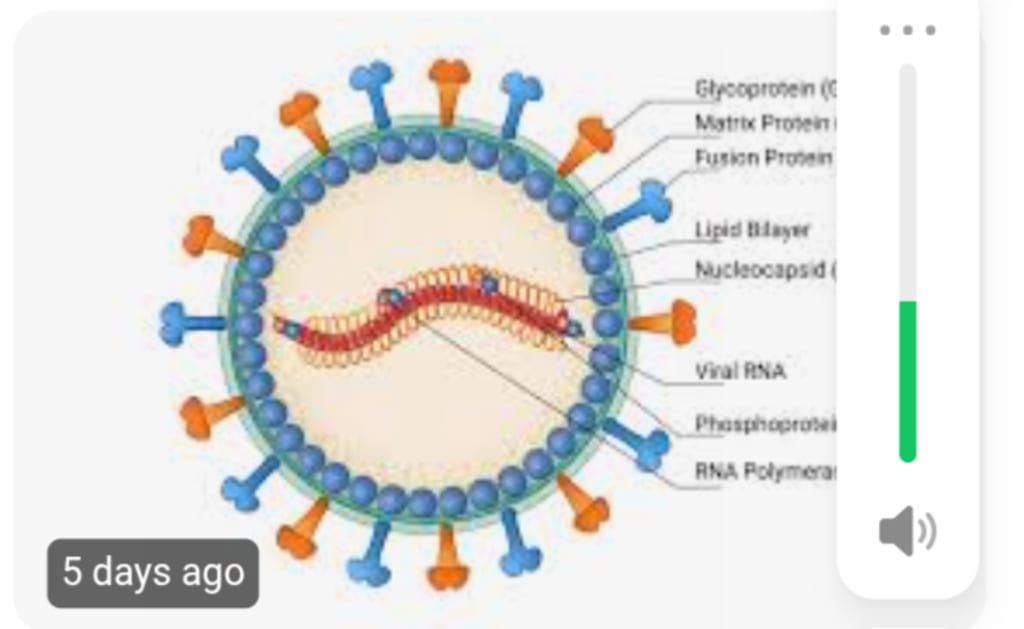
The world is keeping a close eye on the Nipah virus (NiV) after recent cases surfaced in West Bengal, India. While the risk of international spread is currently low, the virus’s high fatality rate and potential for human-to-human transmission make it a serious public health concern. This blog explains what Nipah is, how it spreads, its symptoms, and practical tips to stay safe.
What Is Nipah Virus?
Nipah virus is a zoonotic virus, meaning it spreads from animals to humans. First identified in Malaysia in 1998, outbreaks have since been reported in Bangladesh, India, Malaysia, and the Philippines.
Natural reservoir: Fruit bats (Pteropus species)
How it spreads:
Direct contact with infected bats or animals
Consumption of contaminated food (like raw date palm sap)
Close contact with infected people
Nipah virus is particularly dangerous because it has a high fatality rate (40–75%) and currently has no approved vaccine or specific antiviral treatment. Medical care focuses on supportive treatment to manage symptoms and complications. (WHO)
Recognizing the Symptoms
Nipah virus infection usually appears 4–14 days after exposure, and early symptoms are often non-specific:
Fever
Headache
Muscle pain
Sore throat
Vomiting
Respiratory issues
In severe cases, it can lead to encephalitis (brain inflammation), causing:
Confusion or disorientation
Seizures
Coma
Respiratory failure
Some infected people may not show symptoms, but severe neurological complications are common. (CDC)
Recent Cases in India
In early 2026, Indian authorities confirmed two Nipah cases in West Bengal involving healthcare workers in Barasat. Both were hospitalized; one patient was critically ill, while the other showed improvement.
Key steps taken by authorities included:
Tracing and monitoring 190+ contacts
Enhanced surveillance and infection control
No further confirmed cases so far
The WHO classifies the risk as:
Moderate at the local level (West Bengal)
Low nationally, regionally, and globally
No travel or trade restrictions have been recommended. (WHO)
Why Health Screenings Are Increasing
Following the cases, several countries — including Thailand, Malaysia, Singapore, Nepal, and Taiwan — enhanced health screenings at airports and borders:
Thermal screenings for fever
Health declaration forms
Monitoring arrivals from affected regions
These measures are precautionary to detect potential cases early. No travel-related Nipah cases have been reported outside India. (Times of India)
Historical Context
Nipah outbreaks have been recorded almost every year in Bangladesh since the early 2000s, often linked to raw date palm sap contaminated by bats.
In India, outbreaks have occurred primarily in Kerala and West Bengal, demonstrating that sporadic spillovers from bats to humans remain a consistent risk in affected regions. (WHO)
How to Protect Yourself
While Nipah is serious, you can minimize your risk by following these practical steps:
1. Avoid contact with bats and sick animals
Do not touch bats or their roosting areas
Avoid raw date palm sap or fruits that may be contaminated
2. Practice good hygiene
Wash hands frequently
Avoid touching your face
Keep surfaces clean
3. Take precautions in healthcare settings
Use PPE when caring for suspected patients
Follow strict isolation and disinfection protocols
Should You Be Worried?
Despite its severity, Nipah does not spread as easily as respiratory viruses like COVID-19 or influenza. Most infections occur through direct contact with infected animals or close contact with patients, not casual community exposure.
Health authorities are experienced in rapid detection, contact tracing, and containment, which keeps the wider risk low.
Key Takeaways
Nipah virus is a high-risk, bat-borne pathogen with a high fatality rate.
Recent cases in West Bengal have triggered careful surveillance but do not pose a major global threat.
Preventive measures — hygiene, avoiding bats, and healthcare precautions — remain the best defense.
Awareness and timely reporting can save lives and prevent outbreaks.
Staying informed and following expert guidance is crucial for individuals in or traveling to affected regions. While Nipah is rare, knowledge is the best tool for safety.
If you want, I can also create a meta description and tags for Vocal Media so your blog is SEO-friendly and ready for publication.
About the Creator
Sajida Sikandar
Hi, I’m Sajida Sikandar, a passionate blogger with 3 years of experience in crafting engaging and insightful content. Join me as I share my thoughts, stories, and ideas on a variety of topics that matter to you.
Keep reading
More stories from Sajida Sikandar and writers in The Swamp and other communities.
New Travel Updates: UAE, Saudi Arabia, and Qatar Suspend Flights to Israel Amid Rising Gulf Tensions
Flights Grounded: What’s Happening? In early 2026, rising tensions involving Iran, Israel, and the U.S. have caused a significant shake-up in Middle Eastern aviation. Airlines are suspending or rerouting flights to protect passengers and crews as governments close or restrict airspace over high-risk regions.
By Sajida Sikandarabout 18 hours ago in The Swamp
Shipping Giant Maersk to Take Over Panama Canal Ports After Court Ruling
In a major development with far-reaching implications for global trade and geopolitics, Danish shipping giant Maersk is set to assume control of key port operations along the Panama Canal following a landmark ruling by Panama’s Supreme Court. The decision comes after long-standing contracts held by Hong Kong-based CK Hutchison were ruled unconstitutional, paving the way for Maersk’s subsidiary to temporarily operate the strategic Balboa and Cristóbal terminals at either end of the canal. Al Jazeera +1 The Panama Canal is one of the world’s most vital maritime chokepoints, handling nearly 40 percent of U.S. container traffic and about 5 percent of global seaborne commerce. Control of the adjacent port facilities has historically been a symbol of influence in global shipping routes and geopolitical power. Al Jazeera Court Ruling Ends Long-Standing Concession On January 30, 2026, Panama’s Supreme Court annulled the contracts granting CK Hutchison’s subsidiary, Panama Ports Company (PPC), the rights to operate the Balboa and Cristóbal ports. The court found that the concession — first awarded in the 1990s and extended most recently in 2021 — violated constitutional requirements and lacked sufficient competitive bidding and public interest safeguards. Investing.com The ruling effectively terminated nearly three decades of CK Hutchison’s involvement at these strategic terminals — a decision that will have ripple effects across the global shipping industry. The nullification also affects a planned $23 billion sale of CK Hutchison’s global port assets, involving major investors such as BlackRock and Mediterranean Shipping Company. ft.com Maersk Steps In as Temporary Operator In response to the court’s decision, Panama’s Maritime Authority confirmed that APM Terminals Panama — a local subsidiary of Maersk Group — will act as temporary administrator of the Balboa and Cristóbal ports once the concession formally ends. This move ensures operational continuity while the government prepares a new bidding process for long-term port concessions. s President, José Raúl Mulino, emphasized that port operations will continue without disruption during the transition period. He underscored the economic importance of these terminals to Panama’s economy and the global shipping network. mb.com.ph Maersk’s temporary stewardship reflects its deep experience in maritime logistics and container transportation, underscoring the company’s central role in global supply chains. The firm’s stewardship is seen as a stabilizing force, ensuring that trade flows through the canal region remain steady even amid legal and political upheavals. Geopolitical Context and Reactions The court’s ruling has stirred international debate, especially given the strategic significance of the Panama Canal region in U.S.–China competition. For years, the United States has expressed concern about Chinese influence over critical global infrastructure. Panama’s decision aligns with broader efforts to limit foreign control over strategic assets and reaffirm sovereign oversight of its key ports. isp.netscape.com Beijing has publicly criticized the ruling, with Hong Kong officials stating they “firmly reject” the decision and view it as hostile to legitimate business interests. Chinese authorities have vowed to protect the rights of their companies through appropriate legal channels. euronews Meanwhile, critics of the ruling argue that nullifying longstanding contracts could undermine investor confidence and legal certainty in Panama, potentially impacting future foreign investment. PPC itself warned that the decision could harm the welfare of thousands of Panamanian families dependent on port-related activity. taipeitimes.com Economic and Trade Implications The Panama Canal and its adjacent ports are linchpins of global maritime trade. Cargo moving between the Atlantic and Pacific oceans accounts for a significant share of international shipping — particularly for container traffic involving goods between Asia, Europe, and the Americas. Any disruption to port operations could have cascading effects on global logistics costs and supply chain efficiency. Maersk’s entry as a temporary operator may reassure markets and shippers that commercial continuity remains a priority. By maintaining the operation of the Balboa and Cristóbal terminals, Maersk helps ensure that cargo flows through one of the globe’s busiest trade arteries will not be interrupted. KOB.com The transition also highlights the competitive nature of global port management. As nations and multinational corporations vie for influence over key logistics hubs, companies like Maersk — with extensive expertise in port operations and maritime transport — are well positioned to play pivotal roles in shaping the future of international trade infrastructure. Looking Ahead Panama has signaled that a new tender process will soon be launched to award long-term operating contracts for the canal’s major ports. This open process aims to attract top global logistics firms and ensure that future concessions serve Panama’s strategic interests while promoting efficient and secure global trade. KOB.com In the meantime, Maersk’s temporary administration of the canal’s ports marks a major shift in the region’s maritime dynamics. It underscores how legal decisions can quickly reshape economic and geopolitical landscapes — especially when involving critical infrastructure that underpins global commerce. As Panama navigates this transition, stakeholders around the world will be watching closely how the new port concession process unfolds and how it might influence the balance of power in global shipping and trade.
By Fiaz Ahmed 3 days ago in The Swamp




Comments
There are no comments for this story
Be the first to respond and start the conversation.