
New Travel Updates: UAE, Saudi Arabia, and Qatar Suspend Flights to Israel Amid Rising Gulf Tensions
Geopolitical tensions in the Middle East are reshaping air travel across the region. Here’s everything you need to know about airline suspensions, route changes, and what travelers should do.

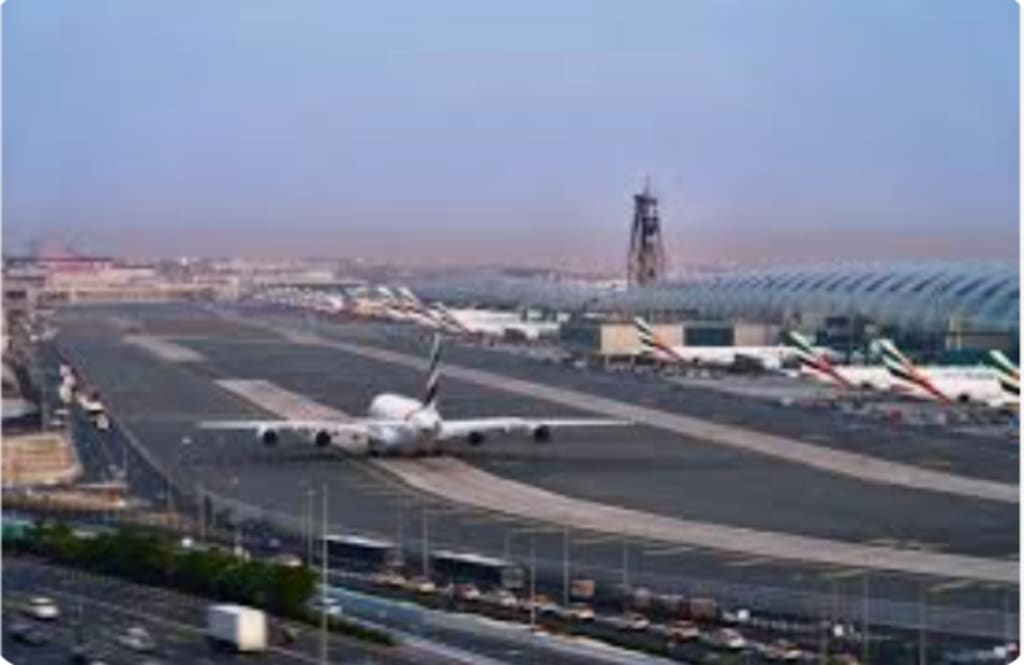
Flights Grounded: What’s Happening?
In early 2026, rising tensions involving Iran, Israel, and the U.S. have caused a significant shake-up in Middle Eastern aviation. Airlines are suspending or rerouting flights to protect passengers and crews as governments close or restrict airspace over high-risk regions.
The UAE, Saudi Arabia, and Qatar have all coordinated to restrict flights to and from Israel, reflecting a joint approach to ensure aviation safety amid ongoing regional instability. This move affects not just the Gulf, but global airlines flying through the region.
Major Airlines Suspend or Reroute Flights
Several international carriers have acted swiftly:
European carriers like Air France, KLM, Lufthansa, and British Airways have cancelled flights to Israel, Dubai, Riyadh, and Doha.
U.S. airlines, including American Airlines and United Airlines, temporarily halted flights to Gulf hubs like Doha and Dubai.
Gulf carriers are also rerouting flights to avoid high-risk airspace or temporarily suspending certain destinations.
Even airlines outside the Middle East are feeling the impact, with flight delays, cancellations, and longer routes now common.
Airspace Closures and Safety Measures
Airspace authorities in the UAE, Saudi Arabia, and Qatar are issuing frequent Notices to Airmen (NOTAMs) and updating flight corridors to keep planes safe. Airlines are responding in real time to these updates, avoiding zones near conflict areas.
Even where airspace remains technically open, carriers are often choosing caution over risk, avoiding routes adjacent to hotspots like Iranian or Israeli territory. This is a proactive safety measure rather than just compliance with closures.
Impact on Travelers
The situation is creating headaches for passengers worldwide:
Last-minute cancellations and rerouted flights
Longer travel times and missed connections
Extended layovers as airlines adjust operations
Airlines are offering refunds, free rebooking, or alternate routes. Because these disruptions are security-related, international regulations require carriers to accommodate affected passengers.
Economic Consequences
The aviation shutdown isn’t just inconvenient—it has wider economic repercussions:
Major airports like Dubai, Abu Dhabi, and Doha see a drop in traffic, affecting revenue and regional economies.
Cargo and logistics are disrupted, with shipments delayed or rerouted.
Tourism and business travel face delays and uncertainty.
Analysts warn that prolonged airspace closures could damage the Gulf’s reputation as a global transit hub.
Signs of Hope: Resuming Flights?
Some airlines are cautiously resuming services:
KLM, for instance, has restarted flights to destinations in the Gulf and Israel after temporarily suspending operations.
However, these restarts are dependent on constantly changing security assessments, so travelers should remain prepared for sudden changes.
What Travelers Should Do Now
If you have flights in or through the Middle East:
Check flight status regularly — changes can happen within hours.
Contact your airline directly for updates on cancellations, refunds, or alternative routes.
Monitor travel advisories from your government and aviation authorities.
Prepare for delays and rerouted flights, even if your flight is scheduled as usual.
The current situation is a reminder of how quickly geopolitics can impact travel. Staying informed and flexible is essential for anyone flying in the region.
Bottom Line:
The Gulf region’s aviation landscape is undergoing rapid change. With the UAE, Saudi Arabia, and Qatar suspending flights to Israel and airlines worldwide adjusting routes, travelers should expect disruptions and plan accordingly. Safety remains the top priority, but keeping up-to-date with airline updates and advisories is critical for navigating travel in this volatile environment.
About the Creator
Sajida Sikandar
Hi, I’m Sajida Sikandar, a passionate blogger with 3 years of experience in crafting engaging and insightful content. Join me as I share my thoughts, stories, and ideas on a variety of topics that matter to you.
Keep reading
More stories from Sajida Sikandar and writers in The Swamp and other communities.
From Sitcom Stardom to Spiritual Calling: The Remarkable Journey of Demond Wilson
Demond Wilson is best remembered as Lamont Sanford, the quick-witted and long-suffering son in the classic 1970s sitcom Sanford and Son. His comedic timing and sharp delivery made him a household name and helped define one of the most beloved television shows of its era. Yet, while many fans recall Wilson for his humor and television success, fewer know about the profound personal transformation that led him away from Hollywood and toward a life devoted to faith and service.
By Sajida Sikandara day ago in The Swamp
The Smell of Fuzz
There is a smell that doesn’t come from flowers or rain or burning wood. It doesn’t rise from kitchens or factories or forests. It isn’t visible, yet everyone recognizes it the moment it appears. It hangs heavy in the air, sharp and unmistakable. It tightens the chest, slows the steps, and makes conversations suddenly quieter. People call it many things. Oppression. Surveillance. Fear. But on the street, in whispers and jokes, it has another name. The smell of fuzz. This smell appears long before sirens wail or boots hit the ground. It shows up before questions are asked, before doors are knocked, before anyone says, “You’re under arrest.” It’s the invisible signal that authority is nearby — watching, listening, waiting. And once you learn to recognize it, you never forget it. What Does “The Smell of Fuzz” Really Mean? At its simplest, “the fuzz” is slang for law enforcement. But the smell of fuzz isn’t about police cars or uniforms. It’s about presence without permission. It’s the feeling that someone else controls the space you’re standing in. You feel it when: A peaceful protest suddenly goes quiet Conversations lower their volume mid-sentence People instinctively check their phones, bags, and pockets Jokes stop being funny The smell of fuzz isn’t always tied to wrongdoing. Often, no crime is being committed at all. That’s what makes it powerful — and unsettling. It’s not about guilt. It’s about power. Fear Has a Scent Humans have evolved to detect danger without seeing it. Long before laws and governments, our ancestors learned to sense predators, storms, and threats through subtle changes in their environment. Today, the predator isn’t a wild animal. It’s uncertainty. The smell of fuzz is the modern equivalent of rustling bushes in the dark. Your brain asks the same ancient question: “Am I safe right now?” Even people who respect the law, even those who have never been arrested, feel it. Because fear doesn’t require wrongdoing — it only requires imbalance. Why Silence Follows Authority One of the strangest things about the smell of fuzz is how quickly it changes behavior. Laughter fades. Opinions soften. Truth becomes careful. People don’t stop talking because they are guilty. They stop talking because being misunderstood carries consequences. In many societies, authority doesn’t need to act harshly to be effective. It only needs to be present. The possibility of punishment is often more powerful than punishment itself. That’s why the smell lingers. The Thin Line Between Safety and Control Supporters of strong law enforcement argue — often correctly — that police presence can prevent crime, protect communities, and maintain order. Streets without rules can quickly become dangerous. But there’s a difference between safety and intimidation. Safety feels calm. Control feels tense. When authority reassures, people relax. When authority dominates, people withdraw. The smell of fuzz appears when the balance tilts too far toward control — when protection begins to feel like surveillance. Who Smells It First? Not everyone experiences the smell of fuzz equally. For some, it’s faint. For others, it’s overwhelming. History shows that marginalized communities often smell it first and strongest. People who have been stopped, searched, questioned, or targeted before develop a sharper sensitivity. To them, authority doesn’t represent neutrality. It represents memory. Memory of: Being assumed guilty Being watched without reason Being treated as a suspect before a citizen Once fear has a history, it returns faster. The Smell in the Digital Age Today, the smell of fuzz isn’t limited to streets and crowds. It has entered the digital world. You feel it when: Posts are deleted without explanation Accounts are shadow-banned Messages feel unsafe to send Algorithms quietly decide what is “acceptable” No sirens. No uniforms. No visible force. Yet the silence is the same. Digital authority doesn’t knock on doors — it reshapes reality. It decides what is seen, what is hidden, and what disappears. And yes, it has a smell too. When Protection Becomes Performance There’s another layer to the smell of fuzz: performance. Sometimes authority isn’t present to protect — it’s present to be seen. Riot gear at peaceful gatherings. Armored vehicles on quiet streets. Aggressive postures where none are required. This kind of presence sends a message, intentional or not: “We are in charge. Don’t forget it.” The smell intensifies not because of danger, but because of theatrics. Why People Joke About It Humor is a survival tool. When people joke about “the fuzz,” they’re not being disrespectful — they’re reclaiming a small piece of control. Laughter weakens fear. Nicknames shrink authority to something manageable. But jokes also reveal truth. If authority felt universally fair and humane, it wouldn’t need a slang name whispered under breath. Can the Smell Be Washed Away? Yes — but not easily. The smell of fuzz fades when trust replaces fear. When authority is transparent, accountable, and human, its presence feels different. Trust grows when: Questions are answered, not punished Power is explained, not imposed Mistakes are acknowledged, not denied Communities are partners, not targets When people believe they will be treated fairly, the air changes. Listening Changes the Air The most powerful antidote to the smell of fuzz isn’t force — it’s listening. When authority listens, people speak. When people speak, fear loosens. When fear loosens, trust can grow. Listening doesn’t weaken authority. It legitimizes it. Why This Conversation Matters Some will say: “If you’re not doing anything wrong, you have nothing to fear.” History disagrees. Many of the world’s darkest chapters were written under systems where “doing nothing wrong” offered no protection. Rights exist precisely because innocence alone is not enough. The smell of fuzz reminds us of that truth. The Smell as a Warning System Rather than dismiss it, we should treat the smell of fuzz as a signal — not of criminality, but of imbalance. When people feel watched instead of protected, something needs attention. When silence replaces dialogue, something is broken. Ignoring the smell doesn’t make it disappear. It only makes it stronger. A Different Kind of Presence Imagine authority that smells like: Calm instead of tension Confidence instead of dominance Service instead of control That kind of presence exists in some places. It proves the smell of fuzz is not inevitable — it’s a result of choices. Choices about tone. Choices about power. Choices about humanity. Final Thoughts: Naming the Smell Matters To name something is to acknowledge it. “The smell of fuzz” is more than slang. It’s a shared human experience, a quiet understanding passed through generations. It tells us when power feels heavy and trust feels thin. If we want safer societies, we must aim not just for order — but for dignity. Because the best kind of authority doesn’t announce itself with fear. It walks in quietly… and the air stays easy to breathe.
By Zahid Hussainabout 8 hours ago in The Swamp



Comments
There are no comments for this story
Be the first to respond and start the conversation.