travel
The best travel locations around the world for politics fans and history buffs to get an inside look into government buildings and political landmarks.
Another Popular Port Mulls Cruise Ship Ban. AI-Generated.
A major tourist port is considering a ban on large cruise ships, reigniting a global debate over the environmental, economic, and social impact of mass tourism. Local authorities say the proposal is aimed at protecting fragile coastal ecosystems and easing pressure on overcrowded city infrastructure, but the move has drawn criticism from cruise operators and businesses that rely on visitor spending. The port, which welcomes hundreds of thousands of cruise passengers each year, has become the latest destination to reassess its relationship with the booming cruise industry. Officials confirmed that a formal review is underway to determine whether restrictions or an outright ban on cruise vessels should be introduced within the next two years. Growing Concerns Over Overcrowding Residents and environmental groups have long complained that cruise tourism brings more disruption than benefit. On peak days, several ships can arrive simultaneously, unloading thousands of passengers into narrow streets and historic districts within hours. “The city becomes unlivable when the ships come in,” said a local shop owner who supports the ban. “Public transport is overwhelmed, waste increases, and emergency services struggle to cope.” Urban planners say cruise tourism differs from other forms of travel because it concentrates visitors into short time windows. Unlike hotel guests who stay for several days, cruise passengers often spend only a few hours in port, limiting their economic contribution while still placing heavy demands on public services. A municipal report found that cruise ship arrivals accounted for nearly 40 percent of daily tourist traffic during the summer months, contributing significantly to congestion, air pollution, and rising rents in nearby neighborhoods. Environmental Impact in Focus Environmental concerns are central to the proposal. Cruise ships burn large quantities of marine fuel and emit sulfur dioxide, nitrogen oxides, and fine particles that affect air quality. They also generate wastewater and solid waste that can harm marine ecosystems if not carefully managed. Marine biologists warn that coral reefs and coastal habitats near the port are already under stress from rising sea temperatures and pollution. “Adding thousands of tons of emissions and waste every season only accelerates the damage,” said one environmental researcher. Studies commissioned by the local government found that a single cruise ship can emit as much particulate pollution in one day as tens of thousands of cars. The report concluded that limiting or banning cruise traffic would significantly improve air quality in surrounding residential areas. Economic Divisions The proposal has exposed deep divisions within the business community. Hotel owners, tour guides, and souvenir vendors argue that cruise passengers bring vital income and support thousands of jobs. “A ban would be devastating,” said a representative of the tourism chamber. “Cruise visitors may stay for a short time, but collectively they spend millions each year on excursions, restaurants, and local products.” However, critics counter that much of the money goes back to cruise companies rather than local businesses. Passengers often eat and sleep on board, reducing spending in the city. Some tour operators are contracted directly by cruise lines, leaving smaller independent businesses struggling to compete. An economic impact assessment showed that cruise tourism accounted for less than 8 percent of overall tourism revenue while contributing disproportionately to congestion and infrastructure costs. Lessons From Other Cities The debate mirrors similar moves in other global destinations. Venice banned large cruise ships from its historic lagoon, citing damage to fragile foundations and environmental risks. Amsterdam recently announced plans to restrict cruise arrivals as part of efforts to curb mass tourism and reduce emissions. “These decisions show a shift in how cities think about tourism,” said a policy analyst specializing in urban sustainability. “The focus is moving from volume to value—fewer visitors who stay longer and spend more responsibly.” Supporters of the ban argue that the port can reposition itself as a destination for eco-tourism and cultural travel rather than mass cruise traffic. They say investments in rail links, small-scale ferries, and longer-stay tourism could create a more balanced and sustainable economy. Political Pressure Builds The proposal is expected to be debated in the city council later this year. Several council members have voiced support for strict limits on cruise ships, while others warn of legal challenges from shipping companies. Cruise operators have already signaled they may contest any ban, arguing that ports benefit from long-term contracts and infrastructure investments made by the industry. In a statement, one major cruise line said it was “committed to working with local authorities to reduce environmental impact through cleaner fuels and improved waste management.” The company added that banning ships would harm workers and reduce tourism competitiveness. Meanwhile, citizen groups have begun organizing protests and petitions calling for decisive action. One campaign group gathered more than 50,000 signatures in support of a ban within weeks. “This is about our right to clean air and livable streets,” said an organizer. “Tourism should not come at the cost of our health.” What Happens Next Officials say several options are under review, including limiting the number of ships per day, banning vessels above a certain size, or imposing higher environmental fees. A complete ban remains one of several scenarios under consideration. The port authority plans to publish its final recommendations after consulting residents, businesses, and environmental experts. A decision is expected by early next year. A Turning Point for Cruise Tourism The case reflects a broader reckoning for the cruise industry, which has rebounded strongly after the pandemic and is expanding its global fleet. Yet as ships grow larger and cities grow more crowded, resistance is mounting. For the port now considering a ban, the choice will shape its future identity—either as a hub for mass tourism or as a model for sustainable travel. “The question is not whether tourism should exist,” said one city planner. “It is what kind of tourism we want.” As communities worldwide confront the pressures of climate change and overcrowding, the debate over cruise ships is likely to intensify. Whether this port joins others in closing its doors to large vessels may signal a turning point in how destinations balance economic gain with environmental responsibility and quality of life.
By Fiaz Ahmed Brohiabout 14 hours ago in The Swamp
Japan’s record-breaking snowfalls – in pictures. AI-Generated.
Japan is enduring one of its harshest winters in decades as record-breaking snowfall blankets large parts of the country, creating scenes of striking beauty while causing serious disruption to daily life. From the snow-laden rooftops of rural villages to frozen city streets, images captured across the nation reveal both the power of nature and the resilience of communities facing extreme weather. Meteorological authorities confirmed that snowfall levels in several northern and western prefectures have surpassed historical records, with some regions receiving more than three meters of snow in less than a week. The most heavily affected areas include Niigata, Toyama, Fukui, and parts of Hokkaido, where persistent storms driven by cold Siberian air masses have combined with moisture from the Sea of Japan to produce relentless downpours of snow. Photographs from these regions show entire neighborhoods transformed into narrow corridors between towering snowbanks. Cars are buried almost completely, and only the tops of road signs and fences remain visible. In mountain towns, residents have been forced to carve tunnels through snow just to reach shops and medical facilities. Daily Life Under Heavy Snow In cities such as Niigata and Kanazawa, commuters struggled to navigate icy pavements and snow-clogged streets. Rail services were delayed or suspended as crews worked around the clock to clear tracks. Airports in northern Japan reported dozens of flight cancellations due to reduced visibility and hazardous runway conditions. Rural communities faced even greater challenges. Several villages were temporarily isolated after mountain roads became impassable. Local governments dispatched emergency teams to deliver food, fuel, and medical supplies to residents cut off by the storms. One widely shared photograph shows elderly residents working together to shovel snow from the roof of a traditional wooden house. Authorities have warned that clearing rooftops is particularly dangerous due to the risk of falls and collapsing structures, yet many households have little choice as the weight of snow threatens buildings. Schools in affected areas closed for several days, while local councils urged people to avoid unnecessary travel. Emergency shelters were prepared for those experiencing power outages or heating failures during the coldest nights. Infrastructure Under Strain Japan’s infrastructure, known for its preparedness against natural disasters, has been tested by the sheer volume of snow. Specialized snow-clearing trains were deployed to keep key rail lines operational. Highway maintenance crews worked in rotating shifts to reopen major routes and prevent accidents. Power companies reported scattered outages after snow-laden tree branches fell onto transmission lines. Hospitals and care facilities implemented contingency plans to ensure staff could reach work safely, sometimes arranging overnight accommodation for essential personnel. Images from the storms highlight the scale of the response: convoys of snowplows pushing through blizzard conditions, soldiers assisting residents with snow removal, and volunteers distributing hot drinks to stranded travelers. Beauty Amid Hardship Despite the disruption, the snowfall has produced scenes of extraordinary beauty that have captivated photographers and social media users worldwide. Iconic temples and shrines appear draped in white, while historic villages such as Shirakawa-go resemble winter postcards with steep-roofed houses crowned by thick layers of snow. In Kyoto and Kanazawa, tourists gathered to photograph snow-covered torii gates and lantern-lit streets glowing softly through falling flakes. Hot spring resorts framed by icy trees became symbols of calm amid the chaos. Ski resorts reported exceptional conditions, with fresh powder drawing winter sports enthusiasts from across the country. However, resort operators warned visitors about avalanche risks and urged strict adherence to safety guidelines. “These images show both sides of winter,” said a Tokyo-based photographer whose work documenting the storms spread widely online. “There is beauty, but also struggle. Each photo represents people trying to live their lives in extreme conditions.” Climate and Weather Patterns Meteorologists explained that the record snowfall was driven by a powerful cold front from Siberia interacting with warm, moisture-rich air over the Sea of Japan. This created repeated snow bands that stalled over the same regions for days. Climate scientists note that while heavy snowfall is common in parts of Japan, the intensity and persistence of this year’s storms raise questions about changing weather patterns. Warmer oceans can hold more moisture, increasing the potential for heavy precipitation when cold air systems arrive. “Climate change does not simply mean warmer winters,” said a climate researcher. “It also increases the likelihood of extreme events. When cold air meets higher moisture levels, snowfall can become more intense.” Human Stories of Resilience Among the most compelling images are those showing community spirit. Volunteers helped elderly neighbors clear paths to their homes. Shopkeepers used heaters and hot water to keep entrances open. Children turned snow-covered schoolyards into playgrounds during brief breaks from the storms. One resident in Toyama described waking to find his front door blocked by nearly two meters of snow. “It looked beautiful from the window,” he said. “But then I realized I couldn’t even step outside.” Local authorities launched safety campaigns urging residents to wear protective helmets when clearing snow and to work in pairs whenever possible. Looking Ahead Forecasters warned that further snowfall could occur in the coming days, although temperatures are expected to rise gradually later in the week. The melting snow, combined with rain, could raise the risk of flooding and landslides in vulnerable areas. For now, Japan remains under the grip of a winter that will likely be remembered for its severity. The images captured during these storms serve as a powerful visual record of nature’s force and the human capacity to adapt. As cameras continue to document snow-covered streets, temples, and villages, they tell a story not only of record-breaking weather but also of endurance, cooperation, and the fragile balance between beauty and danger in one of the world’s most winter-hardened nations.
By Fiaz Ahmed Brohiabout 16 hours ago in The Swamp
AirBorneo plans expansion, to introduce jet-engine ops in second half of year. AI-Generated.
AirBorneo has announced ambitious expansion plans that will see the regional airline introduce jet-engine aircraft into its fleet for the first time in the second half of the year, marking a major milestone in its transformation from a turboprop-focused operator into a broader commercial aviation player. The move is aimed at meeting rising travel demand across Malaysia and neighboring Southeast Asian markets, as well as strengthening connectivity between Borneo and major regional hubs. Company executives said the expansion reflects confidence in the airline’s long-term growth strategy and the recovery of air travel following years of disruption caused by the pandemic and economic uncertainty. Transition from Turboprops to Jets Since its launch, AirBorneo has primarily operated turboprop aircraft on short-haul domestic routes, serving secondary cities and remote communities where larger jets are impractical. The introduction of jet-engine aircraft represents a significant shift in operational scale and ambition. According to company officials, the airline is finalizing lease agreements for a small fleet of narrow-body jets, expected to be deployed on higher-demand routes connecting Borneo with Kuala Lumpur and select international destinations in the region. “Our goal is to complement our existing turboprop services with jet aircraft that allow us to serve longer routes more efficiently,” said an AirBorneo spokesperson. “This expansion will improve connectivity for passengers while supporting tourism and business development in East Malaysia.” The airline did not disclose the exact aircraft type but indicated it is considering models known for fuel efficiency and lower operating costs, in line with industry trends toward sustainability and cost control. Growing Demand Drives Strategy AirBorneo’s decision comes amid a rebound in passenger traffic across Southeast Asia, driven by the return of international tourism and increased domestic travel. Industry data shows that air traffic in the region has approached or surpassed pre-pandemic levels in several markets, prompting airlines to expand fleets and routes. For AirBorneo, the expansion also responds to rising demand for direct flights between Borneo and key economic centers. Many travelers currently rely on indirect connections through major hubs, increasing travel time and cost. Tourism operators welcomed the announcement, saying improved air links could boost visitor numbers to Sabah and Sarawak, which are known for their rainforests, beaches, and cultural heritage. “Jet services will make Borneo more accessible to regional travelers,” said a tourism association representative. “This could have a strong positive impact on hotels, local businesses, and employment.” Operational Challenges Ahead Despite optimism, industry analysts caution that moving into jet operations brings new challenges. Jet aircraft require different maintenance infrastructure, pilot training, and regulatory approvals. Airports that previously handled mostly turboprops may also need upgrades to support increased traffic and larger aircraft. AirBorneo said it has been working closely with aviation authorities to secure the necessary certifications and ensure compliance with safety standards. Training programs for pilots and ground staff are already underway, according to company sources. “Expanding into jet operations is not just about acquiring aircraft,” said an aviation consultant familiar with regional carriers. “It requires significant investment in systems, personnel, and procedures. Execution will be key.” Fuel costs also remain a concern for airlines worldwide. While jet aircraft offer greater capacity, they expose airlines more directly to fluctuations in global oil prices. AirBorneo officials acknowledged this risk but said modern aircraft technology and careful route planning would help manage expenses. Regional Competition Intensifies AirBorneo’s expansion places it in more direct competition with established low-cost and full-service carriers operating in Southeast Asia. Airlines such as AirAsia, Scoot, and Malaysia Airlines already dominate major routes, creating a highly competitive environment. However, AirBorneo believes its strong presence in underserved regional markets gives it an advantage. By combining turboprop and jet services, the airline hopes to create a network that connects smaller communities directly to major cities without relying solely on large hubs. “This hybrid model could work if managed carefully,” said a regional aviation analyst. “AirBorneo has built goodwill in Borneo, and if it maintains reliability and affordability, it can carve out a niche.” Economic and Social Impact Local governments have expressed support for the airline’s growth plans, seeing them as a way to stimulate economic development and improve transport links. Improved air connectivity is expected to benefit industries such as agriculture, tourism, and small business exports. Residents in remote areas also see potential advantages. Faster and more frequent flights could improve access to healthcare, education, and government services. “Better flights mean better opportunities,” said a community leader in Sarawak. “It helps people travel for work and study and brings more visitors to our region.” Looking Ahead AirBorneo plans to roll out its first jet services by the final quarter of the year, starting with a limited number of routes before gradually expanding its network. The airline said it would announce destinations and schedules once aircraft delivery and regulatory approvals are finalized. Executives emphasized that growth would be phased and cautious, avoiding overexpansion that has troubled other regional carriers in the past. “We want sustainable growth, not rapid growth at any cost,” the spokesperson said. “Our focus is on safety, reliability, and serving the communities that depend on us.” As AirBorneo prepares to enter a new chapter, its move into jet-engine operations highlights the changing landscape of regional aviation in Southeast Asia. If successful, the expansion could reshape travel patterns across Borneo and strengthen the airline’s position as a key player in connecting one of the region’s most diverse and economically important areas to the wider world. For now, industry observers will be watching closely to see whether AirBorneo can balance ambition with operational discipline as it takes its biggest step yet into the competitive jet aviation market.
By Fiaz Ahmed Brohiabout 16 hours ago in The Swamp
Retreat to the Red Sea and Relax: Your Ultimate Escape to Tranquility. AI-Generated.
If you’re craving a vacation that balances adventure with serenity, the Red Sea should be at the top of your list. Stretching over 2,300 kilometers and bordered by Egypt, Sudan, and Saudi Arabia, the Red Sea offers crystal-clear waters, vibrant marine life, and untouched coastal beauty. Unlike crowded tourist destinations, it presents a unique blend of relaxation, luxury, and exploration. Whether you’re seeking an adrenaline rush or a peaceful escape from daily life, the Red Sea has it all.
By Ayesha Lashariabout 18 hours ago in The Swamp
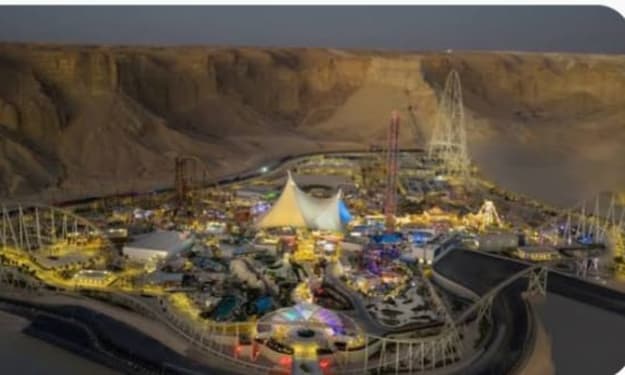
Saudi Gigaproject Unveils the World’s Largest and Fastest Roller Coaster. AI-Generated.
Saudi Arabia has once again captured global attention with the grand opening of Six Flags Qiddiya City, a flagship entertainment destination located near Riyadh. The park made headlines on December 31, 2025, with the debut of Falcon’s Flight, now officially recognized as the world’s tallest, fastest, and longest roller coaster. This landmark attraction is part of the Kingdom’s ambitious Vision 2030 initiative, aiming to diversify its economy and establish Saudi Arabia as a global hub for tourism and entertainment.
By Ayesha Lashari2 days ago in The Swamp
Tragedy in the Aegean: At Least 14 Migrants Killed After Collision With Greek Coastguard Vessel. AI-Generated.
At least fourteen migrants lost their lives after a crowded migrant boat collided with a Greek coastguard patrol vessel late Tuesday night off the eastern Aegean island of Chios, Greek authorities confirmed. The incident has sent shockwaves through local communities, humanitarian groups, and European policymakers, underlining the deadly risks that migrants face while attempting perilous sea crossings to reach the European Union.
By Ayesha Lashari2 days ago in The Swamp
US Shoots Down Iranian Drone Approaching Aircraft Carrier: Rising Tensions in the Middle East. AI-Generated.
In a significant escalation of tensions in the Middle East, the United States military recently announced that it successfully shot down an Iranian drone that was reportedly heading towards one of its aircraft carriers. The incident, which took place in the Strait of Hormuz, has added to growing concerns about the security situation in the region, where military confrontations between the U.S. and Iran have been on the rise.
By Ayesha Lashari2 days ago in The Swamp
Air India Grounds Boeing Dreamliner Over Fuel Control Switch Concern. AI-Generated.
Air India has grounded one of its Boeing 787 Dreamliner aircraft after discovering a potential issue related to the fuel control switch, sparking renewed attention on aircraft safety systems and maintenance protocols. While no injuries or incidents were reported, the airline’s precautionary move reflects the aviation industry’s strict emphasis on risk prevention and technical reliability.
By Sajida Sikandar3 days ago in The Swamp
How the Finished 2 Line Across Lake Washington Will Transform Daily Commutes. AI-Generated.
After years of planning, engineering, and construction, a transformative chapter in Pacific Northwest transit is about to begin. On March 28, 2026, Sound Transit’s long-awaited 2 Line Crosslake Connection will officially open to passengers, completing a continuous light rail link across Lake Washington that connects downtown Seattle, Mercer Island, Bellevue, and Redmond with the greater regional rail network.
By Ayesha Lashari3 days ago in The Swamp
How Will the Finished 2-Line Impact Daily Commutes Across Lake Washington?. AI-Generated.
After years of planning, construction, and anticipation, the 2-Line transit project across Lake Washington is nearing completion. Once operational, the line is expected to dramatically change how commuters, students, and travelers navigate the region, connecting key neighborhoods and business districts while reducing reliance on cars. But how exactly will it impact daily commutes, and what can riders expect?
By Sajida Sikandar3 days ago in The Swamp