
Middle East Crisis Live: US Submarine Sank Iranian Warship, Hegseth Says; Israel Launches Fresh Strikes on Tehran
Naval escalation and renewed Israeli airstrikes signal a dangerous expansion of the conflict, raising fears of regional war, global energy disruption, and mounting humanitarian crisis.
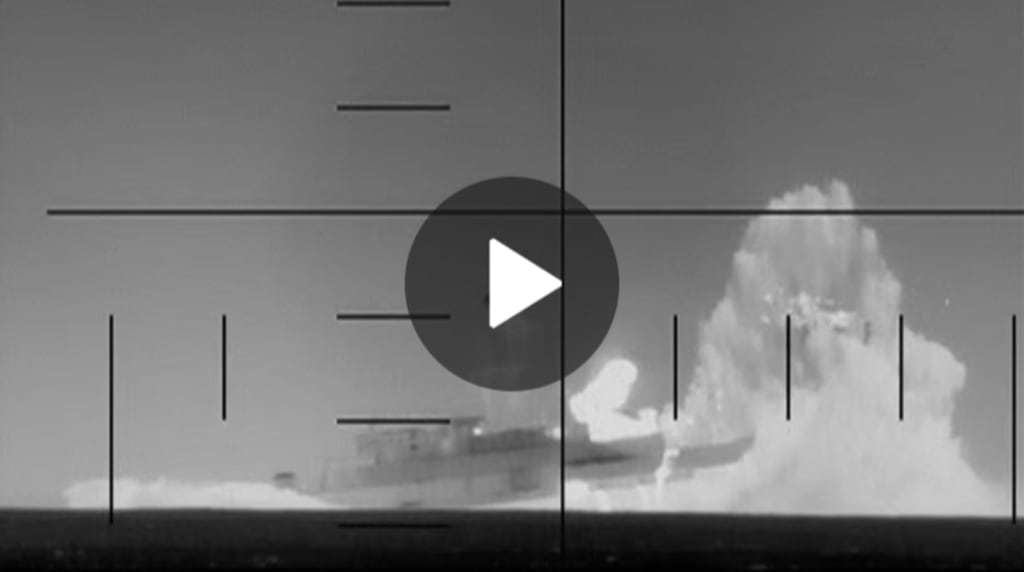
The Middle East stands on the brink of a historic and dangerous escalation after dramatic new developments in the growing confrontation between the United States, Israel, and Iran. In a stunning announcement, US Defense Secretary Pete Hegseth revealed that an American submarine sank an Iranian warship in international waters, while Israel simultaneously launched a fresh wave of airstrikes on Tehran.
What began as a tense regional standoff has now evolved into a multi-theater conflict with global implications — militarily, economically, and diplomatically.
US Submarine Strike Marks Major Turning Point
According to Defense Secretary Pete Hegseth, a US Navy submarine fired a torpedo that sank an Iranian warship operating in the Indian Ocean. The strike reportedly occurred far from the Persian Gulf, signaling a dramatic expansion of the battlefield.
Hegseth described the operation as part of a broader military campaign aimed at dismantling Iran’s naval capabilities and reducing its ability to threaten US forces and regional allies. The Pentagon claims more than 20 Iranian vessels have been neutralized in recent operations.
This development is significant for several reasons:
It marks one of the rare direct naval confrontations between the US and Iran.
The engagement occurred outside traditional conflict zones.
It raises legal and diplomatic questions about maritime warfare in international waters.
Military analysts say this move sends a powerful message about US willingness to project force beyond immediate regional boundaries.
Israel Expands Air Campaign Over Tehran
While the US focused on maritime operations, Israel intensified its air offensive inside Iran.
Israeli jets launched new strikes targeting military infrastructure in and around Tehran. Reports indicate that missile storage facilities, command centers, and air defense systems were among the targets.
Israeli officials say the goal is clear: weaken Iran’s ballistic missile capabilities and prevent further attacks against Israeli territory.
Explosions were reported across multiple districts of Tehran, with infrastructure damage and civilian disruptions mounting. Casualty figures remain unclear, but humanitarian groups warn that both military and civilian losses are rising rapidly.
The strikes demonstrate Israel’s commitment to maintaining air superiority and preventing Iran from regrouping militarily.
Strait of Hormuz Disruption Shakes Global Markets
The conflict’s impact is not confined to military targets. One of the most serious consequences has been disruption in the Strait of Hormuz — a vital global energy corridor through which nearly 20% of the world’s oil supply passes.
Iranian drone activity and threats against shipping have significantly reduced tanker traffic. The results have been immediate:
Oil prices surged.
Shipping insurance premiums skyrocketed.
Airlines rerouted flights to avoid regional airspace.
Global markets reacted with volatility.
Energy analysts warn that prolonged instability in the Strait could trigger sustained inflationary pressures worldwide.
Regional Fallout: Proxy Attacks and Rising Tensions
Beyond Iran, the ripple effects are spreading across the region.
Iran-aligned militias have launched missile and drone attacks targeting US bases and allied facilities in several Gulf states. Heightened security alerts have been issued in the United Arab Emirates, Qatar, and Oman.
The situation risks drawing additional actors into the conflict. Regional alliances are being tested, and diplomatic channels appear strained.
Observers caution that even a limited miscalculation could widen the war further.
Humanitarian Concerns Deepen
As military leaders emphasize strategic objectives, humanitarian agencies warn of mounting civilian suffering.
Thousands of residents have fled parts of Tehran following sustained bombardments. In neighboring countries affected by related strikes, displacement numbers are rising. Hospitals report strain on emergency services.
International organizations are calling for:
Immediate humanitarian corridors
Civilian evacuation pathways
Adherence to international law
Urgent ceasefire negotiations
So far, however, diplomatic progress has been limited.
Political Messaging and Strategic Calculations
In Washington, officials argue that the operation is defensive and necessary to deter further Iranian aggression. Secretary Hegseth stated that Iran’s missile launch capacity has been significantly degraded and suggested coalition forces could achieve sustained air dominance within days.
However, analysts warn that Iran may pivot toward asymmetric strategies, including:
Cyberattacks
Proxy militia operations
Targeted attacks on infrastructure
Disruption of maritime trade
Iran’s military doctrine has historically relied on indirect tactics, which could prolong instability even if conventional forces are weakened.
What Happens Next?
The next phase of this crisis depends on several variables:
Will Iran escalate further or seek de-escalation?
Will global powers intervene diplomatically?
Can energy markets stabilize amid ongoing tension?
Will regional actors be pulled deeper into the conflict?
The stakes are enormous. This is no longer a contained regional confrontation — it is a conflict with global economic and security consequences.
Final Thoughts
The sinking of an Iranian warship by a US submarine and Israel’s renewed strikes on Tehran mark a dramatic escalation in Middle East tensions. Each move signals determination — but also raises the risk of miscalculation.
With shipping lanes disrupted, oil markets volatile, civilian casualties mounting, and proxy conflicts spreading, the world is watching closely.
Whether this crisis spirals into a prolonged regional war or stabilizes through diplomatic intervention may define international relations for years to come.
For now, the Middle East remains in a state of heightened uncertainty — and the next headline could shift the balance once again.
About the Creator
A Gathering of Evil Bosses
“I’m the queen of chin jutting while I smooth my hair, attacking, insulting, and deflecting to protect my appointer.” “Oh, please, Blondi, my hair is curled, highlighted, and longer than yours. I feature television commercials telling immigrants that we will give them a free plane ride home, and if they voluntarily turn themselves in, they will be allowed to legally apply for re-entry. It runs everywhere, and I look good in it! You can’t compete because of your blond hair. Mine is nicer, and my lips are prettier than yours.”
By Andrea Corwin 15 days ago in The Swamp
U.S.-Israeli Strikes in Iran and Reactions From Around the World
The Middle East once again became the center of global attention after joint military strikes by the United States and Israel targeted strategic locations inside Iran. These strikes marked one of the most dramatic escalations between the three nations in decades and triggered widespread political, economic, and humanitarian reactions across the globe.
By Sajida Sikandar4 days ago in The Swamp




Comments
There are no comments for this story
Be the first to respond and start the conversation.