Latest Stories
Most recently published stories in The Swamp.
Russia Turns to India and Sri Lanka for a Way Out of Its Labor Crisis. AI-Generated.
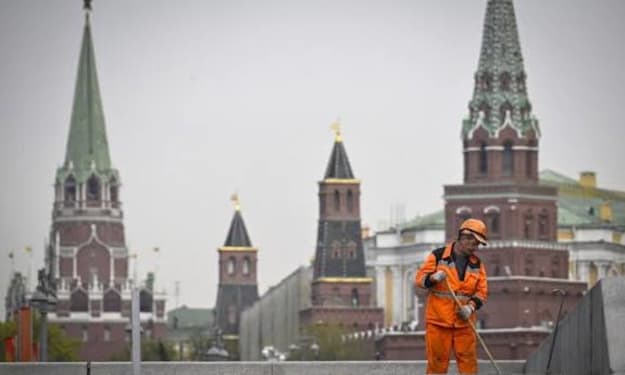
Russia is increasingly turning to South Asian countries, particularly India and Sri Lanka, to address a growing labor shortage that has begun to strain key sectors of its economy. Facing demographic decline, workforce losses linked to the war in Ukraine, and tighter migration rules for Central Asian workers, Moscow is seeking new sources of manpower to sustain construction, manufacturing, and service industries. Officials in Russia have acknowledged that the country’s labor market is under severe pressure. With unemployment at historic lows and millions of workers absorbed into military service or defense-related industries, employers are struggling to fill vacancies. The government now views foreign labor recruitment as a strategic necessity rather than a temporary solution. A Shift in Migration Strategy For decades, Russia relied heavily on migrant workers from former Soviet republics such as Uzbekistan, Tajikistan, and Kyrgyzstan. These workers filled low-paying jobs in construction, transport, retail, and municipal services. However, stricter migration controls, rising social tensions, and security concerns have reduced the flow of labor from Central Asia. In response, Russian companies and state agencies have begun exploring recruitment agreements with India and Sri Lanka, countries with large working-age populations and established overseas labor networks. Recent delegations and bilateral talks have focused on simplifying visa processes, setting up training centers, and ensuring language and skills preparation for potential workers. An official from Russia’s Ministry of Labor said the goal is to create “orderly and regulated migration channels” that can meet economic needs while maintaining domestic stability. Why India and Sri Lanka? India offers a vast labor pool with experience in construction, engineering, healthcare, and information technology. Sri Lanka, meanwhile, has a long history of sending workers abroad, particularly to the Middle East, and has built systems to manage overseas employment. Both countries are also seeking foreign job opportunities for their citizens as part of their economic strategies. Remittances from overseas workers are a crucial source of income for Sri Lanka, while India continues to promote international labor mobility through bilateral agreements. Experts say Russia’s outreach reflects a broader realignment of labor markets driven by geopolitics. “Russia is diversifying its migrant workforce in the same way it has diversified its trade partners since Western sanctions intensified,” said a regional migration analyst. “South Asia is emerging as a key alternative.” Economic Pressures at Home Russia’s labor shortage is most visible in construction and manufacturing, where delays and rising wages have increased project costs. Major infrastructure developments and housing projects have slowed due to a lack of skilled and unskilled workers. The service sector has also been affected, with restaurants, delivery companies, and municipal services reporting staff shortages. Employers have raised wages to attract domestic workers, but this has added to inflationary pressures. Demographic trends further complicate the situation. Russia’s working-age population has been shrinking for years due to low birth rates and an aging society. The war in Ukraine has accelerated these trends by removing large numbers of men from the civilian workforce. Challenges and Risks While recruiting workers from India and Sri Lanka may ease immediate labor shortages, it also presents challenges. Language barriers, cultural differences, and legal protections for foreign workers must be addressed to prevent exploitation and workplace disputes. Human rights groups have warned that migrant workers in Russia already face discrimination and limited access to legal support. Expanding recruitment without strong safeguards could increase vulnerability to abuse. There are also political sensitivities. Some Russian politicians have expressed concern that large-scale migration could fuel social tensions. Balancing economic needs with domestic opinion will be a key test for the Kremlin. Looking Ahead Russia’s turn toward South Asia highlights the depth of its labor crisis and the country’s changing international relationships. If agreements with India and Sri Lanka move forward, they could reshape migration patterns that have long defined Russia’s workforce. For Moscow, the priority is clear: keep its economy functioning despite demographic decline and geopolitical isolation. For India and Sri Lanka, the opportunity lies in providing jobs abroad while strengthening diplomatic ties with a major power. Whether this strategy succeeds will depend on how well Russia manages integration, worker protections, and long-term demographic planning. What is certain is that labor migration has become another front in Russia’s effort to adapt to a rapidly changing global and domestic landscape.
By Fiaz Ahmed about 14 hours ago in The Swamp
February 6, 2026 – Trump Administration News, Congress Still in Funding Stalemate. AI-Generated.
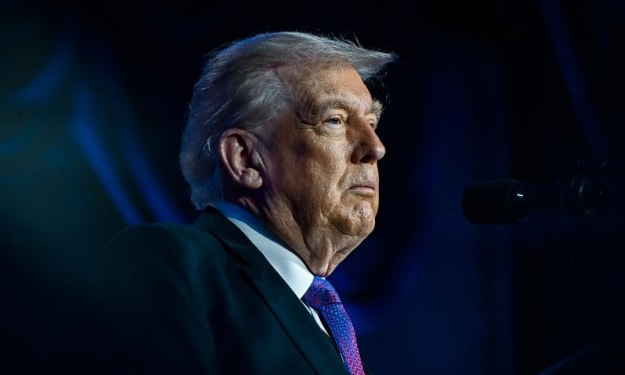
The Trump administration faced renewed pressure on Thursday as negotiations in Congress over federal funding remained deadlocked, raising the prospect of another partial government shutdown and intensifying political tensions in Washington. Despite several days of closed-door talks between congressional leaders and White House officials, lawmakers failed to reach an agreement on a spending package that would keep the government fully funded beyond the current deadline. The impasse reflects deep divisions over immigration enforcement, defense spending, and domestic program budgets. President Donald Trump addressed the situation briefly from the White House, urging Republicans and Democrats to “put the country first” while maintaining that his administration would not compromise on what he described as “essential national security priorities.” “We need a budget that protects our borders, supports our military, and respects taxpayers,” Trump said. “Congress must act responsibly.” Key Disputes Driving the Stalemate At the center of the disagreement is funding for border security and immigration enforcement. Republicans are pushing for expanded allocations for physical barriers and increased staffing at the southern border, while Democrats are insisting on protections for social programs and humanitarian aid for migrants. Another major obstacle is defense spending. Senate Republicans have proposed a significant increase in military funding, citing global security challenges, while House Democrats argue that the proposal would come at the expense of healthcare, education, and environmental initiatives. The result has been a stalemate that neither side appears willing to break without concessions from the other. “Right now, both parties are entrenched,” said one senior congressional aide familiar with the negotiations. “There’s very little trust, and every issue has become symbolic of a much larger political fight.” Economic and Public Impact If a deal is not reached soon, hundreds of thousands of federal employees could face furloughs, and key government services may be disrupted. Previous shutdowns have affected air travel, national parks, and processing of federal benefits. Business leaders and economists have warned that prolonged uncertainty could slow economic growth and rattle financial markets already coping with inflation concerns and international instability. “This is not just a political issue,” said an economist at a Washington-based policy institute. “It has real consequences for families, workers, and investor confidence.” Public opinion polls suggest growing frustration with both parties. Many Americans blame Congress for failing to compromise, while others point to the White House’s firm stance on immigration and spending as contributing to the gridlock. Political Strategy and Messaging The funding fight also carries significant political implications for the Trump administration and congressional leaders ahead of upcoming midterm elections. Both sides are attempting to shape the narrative for voters. Republicans have framed the stalemate as evidence of Democratic resistance to border security and national defense. Democrats, meanwhile, accuse the administration of holding government operations hostage to advance partisan goals. House Minority Leader said in a statement that “Americans deserve stability, not manufactured crises,” while a senior Republican senator countered that “security and fiscal responsibility are not optional.” Behind the scenes, moderate lawmakers from both parties have tried to revive bipartisan talks, proposing short-term funding extensions to buy time for negotiations. So far, these proposals have failed to gain enough support. White House Response Administration officials say the president remains open to discussions but will not approve a budget that excludes key priorities. Senior advisers have held multiple meetings with congressional leaders, but no breakthrough has been announced. The Office of Management and Budget has begun preparing contingency plans in case a shutdown occurs, including guidance for federal agencies on essential services. “The president expects Congress to do its job,” a White House spokesperson said. “We are ready to sign a responsible funding bill as soon as one is sent to his desk.” Looking Ahead With the deadline approaching, pressure is mounting on lawmakers to reach at least a temporary agreement. Analysts warn that continued deadlock could deepen political polarization and further erode public trust in government institutions. For now, Washington remains in a familiar cycle of negotiations, accusations, and uncertainty. Whether compromise will emerge or another shutdown will unfold remains unclear. What is certain is that the funding stalemate has become a defining test for the Trump administration’s relationship with Congress — and a measure of how much cooperation is still possible in an increasingly divided political climate.
By Fiaz Ahmed about 15 hours ago in The Swamp
U.S. Delivers New Harpoon Anti-Ship Missile Systems to the Republic of China Armed Forces. AI-Generated.
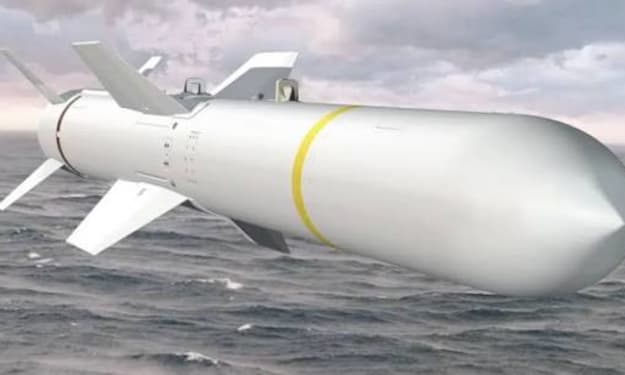
The United States has delivered a new batch of Harpoon anti-ship missile systems to the Republic of China (ROC) Armed Forces, marking another step in Washington’s ongoing effort to strengthen Taiwan’s coastal defense and deterrence capabilities amid rising tensions in the Taiwan Strait. Defense officials in Taipei confirmed the arrival of the systems this week, describing the transfer as part of a previously approved arms package aimed at enhancing Taiwan’s ability to counter amphibious and naval threats. The delivery includes mobile Harpoon Coastal Defense Systems (HCDS), launch vehicles, radar support equipment, and associated training components. The Harpoon missile, a long-established U.S.-made weapon, is designed to strike surface vessels at long range with high precision. Its deployment provides Taiwan with a flexible, survivable option to defend its coastline and maritime approaches in the event of conflict. Strengthening Asymmetric Defense Taiwan’s military has increasingly focused on so-called “asymmetric warfare” strategies — relying on mobile, hard-to-detect systems that can target larger adversary forces. The Harpoon system fits squarely into this approach, as it can be mounted on trucks and rapidly relocated, making it more difficult to neutralize in a first strike. Military analysts say the delivery sends a clear signal of continued U.S. support for Taiwan’s self-defense, even as Washington maintains its long-standing “One China” policy and strategic ambiguity over whether it would directly intervene in a conflict. “These systems are defensive in nature,” said a senior Taiwanese defense official. “They are intended to deter aggression by increasing the cost of any attempt to blockade or invade Taiwan.” The new Harpoon batteries will be integrated with Taiwan’s existing radar and command networks, allowing them to track and engage targets across wide areas of surrounding waters. A Sensitive Diplomatic Moment The delivery is likely to draw criticism from Beijing, which views Taiwan as a breakaway province and opposes all foreign arms sales to the island. Chinese officials have repeatedly warned that U.S. military support undermines regional stability and violates China’s sovereignty. In previous statements, China has responded to similar transfers with military exercises near Taiwan and diplomatic protests against Washington. Observers expect renewed objections following confirmation of the Harpoon delivery. The U.S. government has defended the move as consistent with its obligations under the Taiwan Relations Act, which commits Washington to help Taiwan maintain sufficient self-defense capabilities. A spokesperson for the U.S. Department of Defense said the transfer “supports Taiwan’s ability to deter and defend against potential maritime threats.” Operational Impact The Harpoon Coastal Defense System allows Taiwan to target ships far from its shoreline, complicating any naval operation aimed at encircling or isolating the island. With ranges exceeding 120 kilometers, the missiles can threaten vessels operating in key sea lanes and choke points. Defense planners say the system is particularly suited to countering amphibious assault ships and surface combatants that would be essential in any large-scale cross-strait operation. Taiwan has already fielded indigenous anti-ship missiles, such as the Hsiung Feng series, but the Harpoon adds diversity and redundancy to its arsenal. This reduces reliance on a single weapons platform and strengthens overall resilience. Training and Readiness Along with the hardware, U.S. personnel are expected to provide technical assistance and training to Taiwanese forces to ensure effective deployment and maintenance of the system. Exercises over the coming months will test integration with air and naval surveillance assets. Taiwan’s Ministry of National Defense said the new systems would be deployed in undisclosed locations and that details of their operational status would remain classified for security reasons. Broader Regional Context The delivery comes amid heightened military activity in the Taiwan Strait, including frequent Chinese air and naval patrols near the island and expanded U.S. naval operations in the region. Allies such as Japan and the Philippines have also increased their focus on maritime security in response to changing strategic conditions. Experts note that arms transfers alone cannot guarantee stability but can influence calculations on all sides. “Deterrence is about credibility and capability,” said a regional security analyst. “The Harpoon systems contribute to both, by making any hostile action more costly and uncertain.” Looking Ahead While the Harpoon delivery represents a significant upgrade for Taiwan’s coastal defense, officials in Taipei stress that it is only one part of a broader modernization effort that includes air defense systems, naval upgrades, and cyber capabilities. As cross-strait relations remain strained, the arrival of the new missile systems underscores the deepening security cooperation between Washington and Taipei — and highlights the delicate balance between deterrence and diplomacy in one of the world’s most sensitive flashpoints.
By Fiaz Ahmed about 15 hours ago in The Swamp
Trump Is Hosting Governors at the White House, but Only Republicans. AI-Generated.
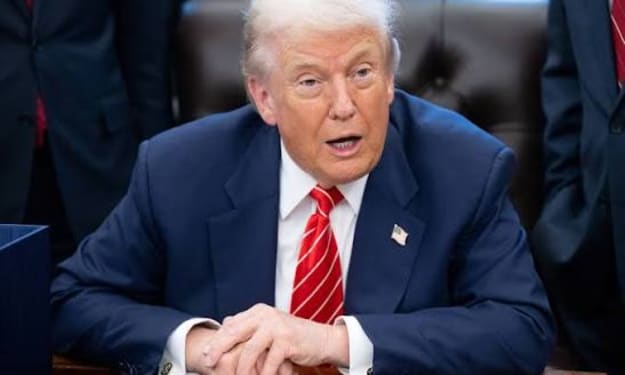
Former President Donald Trump is hosting a gathering of Republican governors at the White House this week, a move that has drawn attention for both its symbolism and its sharp partisan message. The event, framed by organizers as a discussion on national priorities and state leadership, notably excludes Democratic governors, underscoring the increasingly polarized nature of U.S. politics. The meeting comes as Trump continues to position himself as the central figure of the Republican Party and a dominant force ahead of the next election cycle. By inviting only GOP governors, Trump is reinforcing loyalty within his political base while signaling that his vision for governance remains firmly aligned with conservative leadership. A Partisan Stage According to officials familiar with the plans, the agenda focuses on issues such as border security, crime, education policy, and economic growth — topics that Republican leaders have emphasized in contrast to Democratic approaches. The gathering is being promoted as an opportunity for governors to share their experiences and coordinate strategies that reflect conservative priorities at both the state and national levels. Democratic governors were not invited, a decision that critics say undermines the spirit of bipartisan cooperation traditionally associated with White House meetings. In past administrations, similar conferences often included leaders from both parties to address national challenges ranging from disaster response to infrastructure development. “This is less about governing and more about political theater,” said one Democratic strategist. “It sends a message that the White House is being used as a partisan headquarters rather than a forum for national unity.” Supporters of the event argue that it reflects political reality. They note that Trump’s relationship with Democratic leaders has long been strained and that Republican governors represent a natural audience for his policy agenda. Loyalty and Influence Several prominent Republican governors are expected to attend, including those seen as potential future presidential contenders. Their presence highlights the delicate balance within the party between maintaining loyalty to Trump and preparing for a post-Trump political landscape. For Trump, the meeting serves multiple purposes. It demonstrates that he still commands respect and attention from state leaders while allowing him to shape policy discussions that could influence Republican platforms nationwide. It also provides a public display of unity at a time when internal party divisions over strategy and messaging continue to surface. Political analysts say the optics are intentional. “This is about showing strength,” said one veteran observer of U.S. politics. “By surrounding himself with Republican governors, Trump is projecting an image of leadership and control.” Reaction from the States Some Republican governors welcomed the invitation, describing it as a chance to exchange ideas and coordinate responses to shared challenges. They emphasized the importance of federal-state cooperation on issues such as immigration enforcement and disaster preparedness. “We need strong partnerships to protect our communities and our economy,” said one governor who plans to attend. “This meeting allows us to speak directly with the president about what’s working in our states.” Others, however, privately expressed concern that the exclusive nature of the event could deepen political divides and complicate relationships with Democratic-led states. Meanwhile, Democratic governors criticized the decision to exclude them, arguing that issues like healthcare, climate resilience, and infrastructure require collaboration across party lines. Several pointed out that crises such as hurricanes and wildfires do not respect political boundaries. A Broader Political Signal The gathering also reflects Trump’s broader strategy of rallying Republican officials around key campaign themes. Immigration, in particular, is expected to dominate discussions, with several GOP governors pushing for tougher enforcement and greater state authority in border control. Education policy and culture war issues are also likely to feature prominently, as Trump continues to frame national debates around school curricula, gender policies, and public safety. The White House has defended the meeting as an internal policy discussion rather than a national summit. Officials said future engagements with Democratic leaders were not ruled out, though no such meetings have been announced. What It Means Going Forward The event highlights the evolving role of the White House as both a governing institution and a political symbol. By hosting only Republican governors, Trump is blurring the line between official business and partisan mobilization. Whether this approach strengthens his standing with conservative voters or fuels further criticism from opponents remains to be seen. What is clear is that the meeting reflects the deep partisan divisions shaping American politics and the challenges of finding common ground in an increasingly fractured environment. As the governors arrive in Washington, the gathering will serve as both a policy discussion and a powerful image: a White House filled with allies, but missing half the country’s state leaders.
By Fiaz Ahmed about 15 hours ago in The Swamp
China Reverses Death Sentence for Canadian in a Small Win for Carney. AI-Generated.
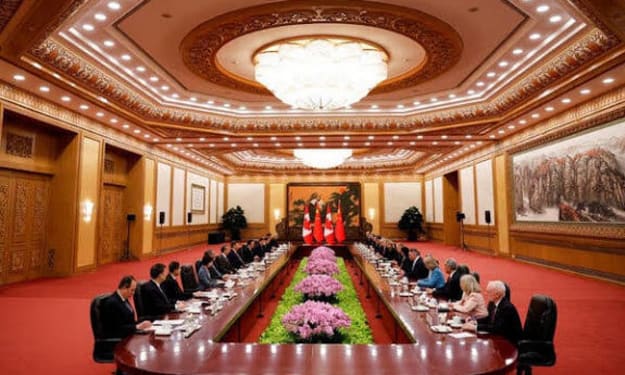
China’s decision to reverse a death sentence imposed on a Canadian citizen has been welcomed cautiously in Ottawa, offering a rare diplomatic opening in an otherwise strained relationship between the two countries. The ruling, announced by Chinese judicial authorities this week, replaces the death penalty with a suspended death sentence — a form of life imprisonment that allows for possible commutation after a fixed period of good behavior. Canadian officials described the development as a “modest but meaningful” step, crediting sustained diplomatic pressure and quiet negotiations led by Prime Minister-designate Mark Carney’s transition team and senior foreign ministry officials. While the case remains deeply sensitive, the reversal has been interpreted as a small diplomatic victory for Canada at a time when relations with Beijing remain tense over trade, security, and human rights issues. A Long-Running and Sensitive Case The Canadian citizen, whose name has not been officially released at the request of the family, was originally sentenced to death in connection with drug trafficking charges in southern China. The verdict had drawn strong condemnation from Canadian leaders and human rights groups, who argued the punishment was disproportionate and lacked transparency. China’s judicial system allows for death sentences with a two-year reprieve, meaning the sentence can be reduced to life imprisonment if no further offenses are committed during that period. Legal analysts say such reversals are not unprecedented, but they are politically significant when foreign nationals are involved. “The change does not mean freedom, but it removes the immediate threat of execution,” said a former Canadian diplomat familiar with consular negotiations in China. “That alone is an important humanitarian outcome.” A Test for Carney’s Diplomatic Approach The decision comes at a critical moment for Mark Carney, who is preparing to take office amid growing calls to stabilize Canada’s relationship with China without abandoning its principles on human rights and rule of law. His advisers have emphasized a strategy of “calibrated engagement,” seeking cooperation where possible while maintaining firm positions on legal standards and democratic values. Sources in Ottawa say the case was raised repeatedly in backchannel discussions over the past several months, alongside broader concerns about the treatment of foreign detainees in China. Although Beijing has not acknowledged any political influence on the ruling, the timing has been interpreted as a goodwill gesture toward the incoming Canadian government. “This is not a reset in relations,” said a senior government official. “But it shows that dialogue can still produce limited results, even in a difficult climate.” Diplomatic Strains Remain Canada–China relations have been troubled since the 2018 arrest of a Chinese technology executive in Vancouver and the subsequent detention of two Canadians in China, widely viewed in Ottawa as retaliatory. Though the two detainees were later released, mistrust continues to shape diplomatic exchanges. Trade disputes, allegations of foreign interference, and disagreements over Taiwan and human rights have further complicated efforts to rebuild trust. Canada has also aligned closely with the United States and other allies in restricting Chinese access to sensitive technologies, a move Beijing considers hostile. Against this backdrop, the death sentence reversal stands out as a rare example of positive movement, even if limited in scope. Human Rights and Legal Questions Human rights organizations cautioned against interpreting the decision as evidence of systemic change in China’s justice system. While welcoming the commutation, they stressed that the underlying conviction remains opaque and that China continues to impose the death penalty more frequently than any other country. “This is a relief for the family, but it does not erase concerns about due process,” said a spokesperson for an international rights group. “Foreign nationals in China still face serious legal risks, particularly in politically sensitive or high-profile cases.” Canada has long opposed the death penalty in all circumstances and routinely seeks clemency for citizens facing execution abroad. The government reiterated its position following the ruling, stating it would continue to advocate for further sentence reductions and improved access to consular services. Beijing’s Message Chinese officials framed the decision as a matter of domestic law rather than diplomacy. A foreign ministry spokesperson said the courts had acted “in accordance with legal procedures” and emphasized that China treats all defendants equally, regardless of nationality. Analysts note, however, that high-profile cases involving foreign citizens often carry political weight, even when officially denied. “Judicial outcomes in China cannot be separated entirely from diplomatic context,” said an Asia policy expert. “This sends a signal that Beijing is willing to show flexibility under certain conditions.” A Limited but Symbolic Outcome For Carney, the reversal provides an early opportunity to demonstrate that careful engagement can yield humanitarian results without major concessions. Still, officials caution that much work remains before broader relations improve. “This is one small step, not a breakthrough,” said a Canadian foreign policy adviser. “But in a relationship defined by tension, even a small step matters.” As Canada continues to navigate its complex ties with China, the fate of one citizen has become a symbol of the delicate balance between principle and pragmatism. Whether this development leads to deeper cooperation or remains an isolated gesture will depend on how both governments choose to build on it in the months ahead.
By Fiaz Ahmed about 15 hours ago in The Swamp
UK Threatens to Seize Russia-Linked Shadow Fleet Tanker in Escalatory Move. AI-Generated.
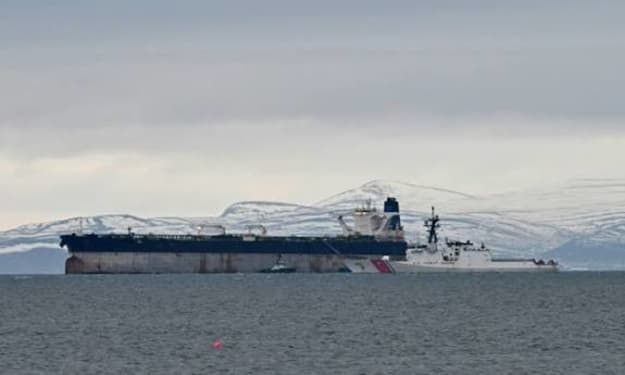
The United Kingdom has signaled a tougher stance against Russia’s so-called “shadow fleet” by warning it may seize a tanker suspected of helping Moscow evade international sanctions. The move marks a significant escalation in enforcement efforts aimed at curbing Russia’s ability to export oil and generate revenue for its war economy. British authorities said the vessel, which has been operating under opaque ownership and insurance arrangements, is believed to be part of a network of aging tankers used to transport Russian crude outside established regulatory systems. These ships often sail under flags of convenience, disable tracking systems, and rely on complex financial structures to avoid scrutiny. Officials described the potential seizure as a legal and strategic response to what they see as growing risks to maritime safety and sanctions compliance. “The UK will not tolerate vessels operating in ways that undermine international law or threaten our security and environment,” a government spokesperson said. What Is the Shadow Fleet? The “shadow fleet” refers to hundreds of tankers that emerged after Western nations imposed price caps and shipping restrictions on Russian oil exports following the invasion of Ukraine. These vessels operate largely outside the mainstream shipping and insurance markets, often using obscure insurers and shell companies based in jurisdictions with weak oversight. Many of the ships are decades old and poorly maintained, raising alarms about the possibility of accidents or oil spills in heavily trafficked waters such as the English Channel and the North Sea. Maritime experts say the fleet has become a parallel transport system designed specifically to keep Russian oil flowing to buyers in Asia, the Middle East, and parts of Africa. “The concern is not just sanctions evasion,” said a European maritime analyst. “It’s also the safety risk posed by ships that are not subject to normal inspections and insurance standards.” Legal and Diplomatic Implications The UK’s threat to seize a tanker would represent one of the strongest enforcement actions taken so far against Russia-linked maritime trade. Under British law, authorities can detain or confiscate vessels suspected of violating sanctions, endangering navigation, or breaching environmental regulations. However, such action could provoke diplomatic backlash. Russia has repeatedly accused Western countries of weaponizing maritime law and interfering with global trade. A seizure could further strain already tense relations between London and Moscow. International law specialists note that the legality of such a move depends on the evidence collected and the jurisdiction in which the ship is operating. If the vessel enters British territorial waters or ports, enforcement becomes easier. Intercepting ships on the high seas is far more complex and politically sensitive. “This is a test of how far the UK and its allies are willing to go,” said one legal expert. “It moves enforcement from financial penalties to physical intervention.” Environmental and Security Concerns British officials emphasized that the shadow fleet is not only a sanctions issue but also a public safety matter. Several recent incidents involving poorly insured tankers have raised fears of major spills that could devastate coastlines and fisheries. In one recent case, a tanker suspected of transporting sanctioned oil suffered mechanical problems while passing through busy shipping lanes, prompting emergency monitoring by European coast guards. Environmental groups welcomed the UK’s tougher stance, saying the risk of catastrophe is rising as the shadow fleet expands. “These ships are floating hazards,” said a campaigner from a marine protection organization. “Stopping them is about protecting both the rule of law and the environment.” Security agencies are also worried that shadow fleet vessels could be used for intelligence gathering or sabotage. With undersea cables and energy pipelines increasingly seen as vulnerable infrastructure, authorities view unregulated shipping as a potential threat. Impact on Global Oil Markets Despite Western sanctions, Russia remains one of the world’s largest oil exporters. The shadow fleet has played a crucial role in keeping its exports moving, often selling crude at discounted prices to willing buyers. Any serious disruption to this system could affect global energy markets, particularly if multiple countries follow the UK’s lead. Analysts say targeted seizures may not immediately reduce supply but could raise transportation costs and insurance premiums, pushing prices higher. “If enforcement becomes aggressive, the economics of shadow shipping change,” said an energy market strategist. “That could squeeze Russia’s margins and create uncertainty for buyers.” A Signal to Allies The UK’s warning is also seen as a message to allies that it intends to take a leadership role in sanctions enforcement. European governments have debated whether current measures go far enough, especially as Russia continues to adapt. There are indications that discussions are underway among NATO and EU partners about coordinated monitoring of suspicious vessels and shared intelligence on ownership networks. “This is not just about one ship,” a Western official said. “It’s about dismantling an entire system designed to bypass international rules.” Risks of Escalation Critics caution that seizing a tanker linked to Russia could escalate tensions at sea. Moscow might respond with retaliatory actions or legal challenges, and shipping companies could become more cautious about operating near British waters. Some industry voices argue that enforcement should remain focused on financial penalties rather than physical detention of ships. “The risk of miscalculation is real,” said a shipping executive. “One incident could spiral into a broader confrontation.” A Turning Point Whether or not the tanker is ultimately seized, the threat itself represents a turning point in how Western governments confront Russia’s shadow fleet. It signals a shift from passive monitoring to direct intervention. As the war in Ukraine drags on and sanctions fatigue grows, London appears determined to show that enforcement still carries consequences. The coming weeks will reveal whether the UK’s warning becomes a precedent—or a flashpoint in an already fragile maritime order.
By Fiaz Ahmed about 15 hours ago in The Swamp
Venezuela’s Return Won’t Dethrone Latin America’s Oil Leaders. AI-Generated.
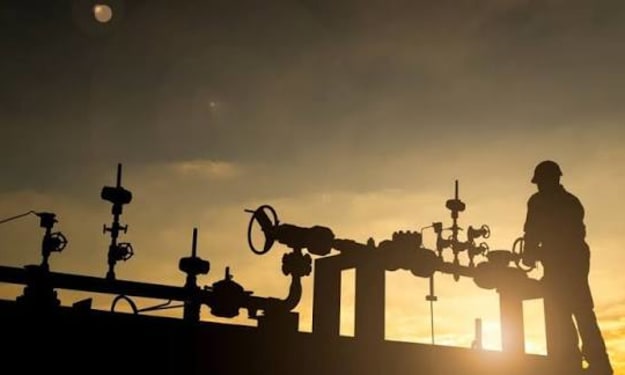
Despite renewed hopes that Venezuela’s oil sector might regain its footing following political upheavals and shifting U.S. policies, analysts say Caracas’s comeback will fall short of upending the region’s current oil hierarchy. Argentina, Brazil and Guyana are poised to outpace Venezuela as Latin America’s key oil producers and investment magnets, underscoring deep structural and geopolitical barriers that still limit Venezuela’s prominence in the global energy market. OilPrice.com A Legacy of Lost Capacity Venezuela once stood as Latin America’s dominant oil force. At its peak in the early 2000s, the nation produced more than 3 million barrels per day (bpd), and its state oil company Petróleos de Venezuela, S.A. (PDVSA) was among the region’s most influential energy players. However, decades of underinvestment, political mismanagement and international sanctions have dramatically eroded that stature. Today, Venezuela’s output is less than one-third of its former capacity, frequently reported around 0.9–1.1 million bpd — a fraction of its historic highs and far below its regional rivals. Medium Analysts note that rebuilding Venezuela’s oil industry is not a matter of simply flipping a switch. Infrastructure that has degraded over years will need massive capital injections to be rehabilitated, even if sanctions ease. Estimates suggest that reviving the sector to meaningful levels could take years and require tens of billions of dollars. Medium Regional Leaders Set to Surge In contrast, other Latin American producers are enjoying momentum supported by investment, technology and strategic resource development. Argentina’s Vaca Muerta shale formation continues to attract billions in investment, bolstering that country’s export potential. Meanwhile, Brazil’s offshore pre-salt fields remain a major growth engine, with output projected to exceed 4.2 million bpd in 2026 — making it the dominant supplier in the region. Guyana’s deepwater discoveries also promise substantial production increases as new projects come online. OilPrice.com These dynamics mean that, even if Venezuela regains some output, it is unlikely to dethrone its neighbors anytime soon. Latin America’s oil production in 2026 is forecast to exceed 8.8 million bpd, led by countries that are both investing heavily and attracting foreign partners with clearer legal and economic frameworks. OilPrice.com Investment Hurdles and Political Risks International oil companies have historically been wary of Venezuela due to legal uncertainty and the politicized nature of its oil sector. Under leaders such as Hugo Chávez and Nicolás Maduro, Caracas imposed strict national control over PDVSA and required majority state ownership of projects, driving away major operators and curtailing foreign investment. Although recent political changes and U.S. policy shifts have opened new channels for cooperation, many firms remain cautious. Some traders and smaller firms are exploring structured opportunities in Venezuela that lower upfront capital requirements, yet supermajors still express concern about underwriting long-term projects in an environment with lingering institutional risk. OilPrice.com The types of crude that Venezuela produces — particularly heavy oil from the Orinoco Belt — also pose market challenges. Heavy crude is more expensive to refine and requires specific blending and processing infrastructure. As a result, it often sells at a discount compared with lighter grades preferred by many refineries in the United States and elsewhere. Anadolu Ajansı Geopolitical Complexity Venezuela’s oil prospects have long been intertwined with geopolitics. U.S. sanctions imposed in recent years targeted both PDVSA and the country’s ability to export oil, significantly constraining output and trade. Although recent developments — including temporary sanction waivers and new export licenses — have allowed some increase in shipments, these are still subject to geopolitical volatility. U.S. sanctions policy remains a critical wild card, capable of re-tightening and affecting operations again if political benchmarks are not met. AInvest China, historically a major buyer and investor, continues to play a role, absorbing a significant share of Venezuelan exports even as global market conditions fluctuate. This external reliance can offer short-term revenue but does little to reposition Venezuela at the forefront of Latin American energy leadership. Structural Constraints and Long Road Ahead The underlying structural weaknesses in Venezuela’s oil system also complicate any rapid recovery. Years of underinvestment have left pipelines, refineries and extraction equipment in poor condition. Skilled labor has left the sector, and decades of fiscal reliance on oil revenues have contributed to economic fragility. Experts say that, without sustained reforms and stable governance, the industry will continue to lag behind regional peers that enjoy more predictable operating climates. Medium While Venezuela’s vast proven crude reserves — among the world’s largest — provide a theoretical advantage, realizing that potential in a meaningful way remains a formidable challenge. The island nation’s oil wealth is undeniable, but translating it into sustained production growth and regional leadership will require overcoming hurdles that go far beyond the lifting of sanctions. Anadolu Ajansı Conclusion: A Return, but Not a Reversal Venezuela’s partial return to the oil market symbolizes a noteworthy shift from years of stagnation. However, it is unlikely to fundamentally alter the regional energy landscape dominated by Brazil, Argentina and Guyana. The combination of structural decay, political risk, commodity economics and strong performance by other producers suggests that Venezuela’s resurgence will be modest at best and gradual at worst. Rather than dethroning Latin America’s oil leaders, Venezuela’s evolving oil role underscores the fragmented nature of the region’s energy future. Multiple actors with diverse resources and strategies are shaping a complex landscape in which Caracas may feature again — but not at the forefront. OilPrice.com
By Fiaz Ahmed about 15 hours ago in The Swamp
Taiwan to Construct 10 Light Frigates for Air Defense, Anti-submarine Missions. AI-Generated.
Taiwan has announced plans to construct 10 new light frigates designed to strengthen its air defense and anti-submarine warfare capabilities, marking one of the island’s most significant naval modernization efforts in recent years. The move reflects Taipei’s growing concern over regional security threats and its determination to enhance its ability to protect key sea lanes and deter potential aggression. The frigates will be developed under Taiwan’s domestic shipbuilding program, with local defense contractors taking the lead in design and construction. According to officials from Taiwan’s Ministry of National Defense, the vessels are expected to enter service gradually over the next decade and will complement existing surface combatants in the navy’s fleet. Strengthening Defensive Capabilities The new light frigates are intended to fill a critical gap between larger destroyers and smaller patrol vessels. Each ship will be equipped with advanced radar systems, surface-to-air missiles for air defense, and sonar arrays capable of detecting submarines operating in nearby waters. Military analysts say the focus on anti-submarine warfare is particularly significant. The waters surrounding Taiwan are increasingly crowded with naval traffic, including submarines from regional powers. These vessels pose a major challenge because they can operate stealthily and threaten shipping routes and naval bases. “The ability to detect and track submarines is essential for Taiwan’s security,” said a regional defense expert. “These frigates are designed to give the navy more flexibility and endurance in contested waters.” In addition to missile and sonar systems, the ships will likely feature modern electronic warfare tools and unmanned aerial vehicle support, allowing them to gather intelligence and coordinate with other military units more effectively. Domestic Shipbuilding Push Taiwan’s government has placed strong emphasis on building warships domestically as part of a broader effort to reduce reliance on foreign suppliers. The new frigate program builds on earlier successes, including the construction of indigenous submarines and fast attack craft. Officials argue that local production not only strengthens military readiness but also boosts the island’s industrial base and technological expertise. Shipyards involved in the project are expected to benefit from long-term contracts, while universities and research centers will contribute to the development of advanced systems. “This program shows that Taiwan is capable of producing complex naval platforms on its own,” said a defense industry representative. “It sends a signal that we are committed to sustaining our defense industry and protecting our maritime interests.” Regional Tensions The announcement comes amid heightened tensions in the Taiwan Strait and surrounding waters. China has expanded its naval and air operations near the island, conducting frequent exercises and patrols that Taiwan views as intimidation. Beijing claims Taiwan as part of its territory and has not ruled out the use of force to achieve unification. In response, Taiwan has accelerated military reforms and procurement programs aimed at strengthening its deterrence posture. The new light frigates are expected to operate alongside existing destroyers and corvettes to create layered defenses against both air and underwater threats. U.S. and Japanese officials have repeatedly stressed the importance of maintaining stability in the region, given that much of the world’s trade passes through nearby sea lanes. Any disruption could have severe global economic consequences. Cost and Timeline Although precise budget figures have not been disclosed, defense sources estimate that the frigate program will cost several billion dollars over its full duration. Construction is expected to begin within the next two years, with the first ship entering service in the early 2030s. The navy plans to deploy the frigates primarily in waters east and south of Taiwan, areas considered vulnerable to submarine activity and air incursions. Their missions will include escorting commercial vessels, protecting offshore infrastructure, and supporting larger task forces during joint exercises. Debate at Home While the program has received broad political support, it has also sparked debate within Taiwan over defense spending priorities. Some lawmakers argue that resources should focus more heavily on asymmetric capabilities such as drones, missile systems, and cyber defense rather than traditional surface ships. Defense officials counter that frigates play an essential role in maritime security and cannot be replaced entirely by smaller or unmanned platforms. “We need a balanced force,” a senior officer said. “These ships provide endurance, command capabilities, and protection that other systems cannot.” Public opinion appears divided. Many citizens view the program as a necessary step to safeguard Taiwan’s future, while others worry about escalating an arms race in the region. Strategic Message Beyond their technical role, the frigates carry symbolic importance. They demonstrate Taiwan’s intention to stand firm in the face of external pressure and to contribute actively to regional security. Analysts say the program also sends a message to international partners that Taiwan is taking responsibility for its own defense. “This is about credibility,” one observer noted. “By investing in modern naval forces, Taiwan shows it is serious about deterrence and cooperation.” Looking Ahead As construction moves forward, attention will focus on whether Taiwan can deliver the ships on schedule and within budget. The success of the project will likely influence future decisions on naval modernization and defense strategy. In a region marked by rivalry and uncertainty, Taiwan’s decision to build 10 light frigates underscores the growing importance of maritime power in shaping security dynamics. Whether as guardians of shipping lanes or as part of a wider deterrence strategy, the new vessels are set to become a central element of Taiwan’s naval posture in the years ahead.
By Fiaz Ahmed about 15 hours ago in The Swamp
Milan-Cortina Games begin with vibrant opening ceremony. AI-Generated.
MILAN, Italy — The Milan-Cortina Winter Games officially opened on Friday night with a dazzling ceremony that blended Italy’s artistic heritage, alpine tradition and modern innovation, setting an energetic tone for the first Olympics to be staged across two main host regions. Held at Milan’s historic San Siro Stadium, the ceremony unfolded before a crowd of more than 70,000 spectators and a global television audience of millions. Organizers designed the event around the theme “From the Alps to the World,” celebrating both the mountain landscapes of Cortina d’Ampezzo and the cosmopolitan spirit of Milan. The evening began with a dramatic countdown projected onto the stadium roof, followed by a procession of performers dressed in flowing white costumes meant to evoke falling snow. A massive LED floor transformed the field into a moving canvas of glaciers, forests and city skylines, symbolizing the journey of winter sports from nature to modern arenas. Italian President Sergio Mattarella formally declared the Games open after welcoming athletes and guests, calling the Olympics “a bridge between nations and a reminder that competition can unite rather than divide.” International Olympic Committee President Thomas Bach praised Italy for organizing what he described as “the most geographically connected Winter Games in history,” with events spread across Lombardy, Veneto and Trentino-Alto Adige. The Parade of Nations brought a festive atmosphere as more than 90 delegations marched into the stadium, waving flags and cheering loudly. Italy’s team received one of the biggest ovations of the night, led by flag bearers Sofia Goggia, the Olympic downhill champion, and speed skater Davide Ghiotto. Several teams wore outfits inspired by sustainable materials, reflecting the Games’ emphasis on environmental responsibility. Music and dance were central to the ceremony’s storytelling. A symphony orchestra performed arrangements inspired by classical Italian composers, while contemporary pop and electronic artists joined later in the program. One highlight was a segment dedicated to cinema, with projections honoring Italy’s long history of filmmaking, from neorealism to modern blockbusters. The lighting of the Olympic cauldron provided the emotional climax. The flame, which had traveled through dozens of Italian towns during its relay, entered the stadium carried by a group of young athletes from different winter disciplines. It was then passed to former Olympic champions from previous Italian Games before being ignited in a towering structure designed to resemble an alpine peak. As the cauldron flared to life, fireworks erupted above the stadium, illuminating the Milan skyline. Organizers placed strong emphasis on sustainability throughout the show. Costumes were made from recycled fabrics, and much of the stage technology was designed for reuse after the Games. Instead of building a new permanent stadium, Milan relied on existing venues, aligning with the promise of a “low-impact Olympics.” Security was tight, with thousands of police and military personnel deployed across Milan and Cortina. Officials reported no major incidents, and transportation systems operated smoothly despite the influx of visitors. Hotels across the region reported near-full occupancy, boosting local tourism and business. Athletes expressed excitement as competition begins in earnest on Saturday, with early events in alpine skiing, curling and speed skating. Many competitors said the ceremony helped calm pre-race nerves and reminded them of the broader meaning of the Games. “Walking into that stadium and hearing the crowd was unforgettable,” said one Canadian skier. “It makes you realize how special this moment is.” The Milan-Cortina Games come at a time when international sport faces challenges ranging from geopolitical tensions to climate concerns affecting winter venues. Organizers hope the two-week event will showcase unity and resilience, while also demonstrating how future Olympics can adapt to environmental and economic pressures. With the flame now lit and the athletes settled into the Olympic Village, attention turns to the slopes and rinks of northern Italy. Over the coming days, thousands of competitors will chase medals against the backdrop of the Dolomites and the vibrant streets of Milan, as the world watches the drama of winter sport unfold once again.
By Fiaz Ahmed about 15 hours ago in The Swamp
In Just Two Weeks, the Game of Thrones Universe Returns. AI-Generated.
In just two weeks, the world of Westeros opens its gates once again, inviting fans back into a universe of dragons, betrayal, and destiny. The Game of Thrones franchise, which once dominated television and cultural conversation, is returning with a brand-new series that aims not only to rekindle the magic of its predecessor but to reshape how audiences understand the vast and dangerous history of George R. R. Martin’s world.
By Sajida Sikandarabout 16 hours ago in The Swamp