
King Charles Faces Renewed Pressure to Conclude the Prince Andrew Issue
Debate grows over the future role of the Duke of York as the monarchy weighs reputation, responsibility, and public trust

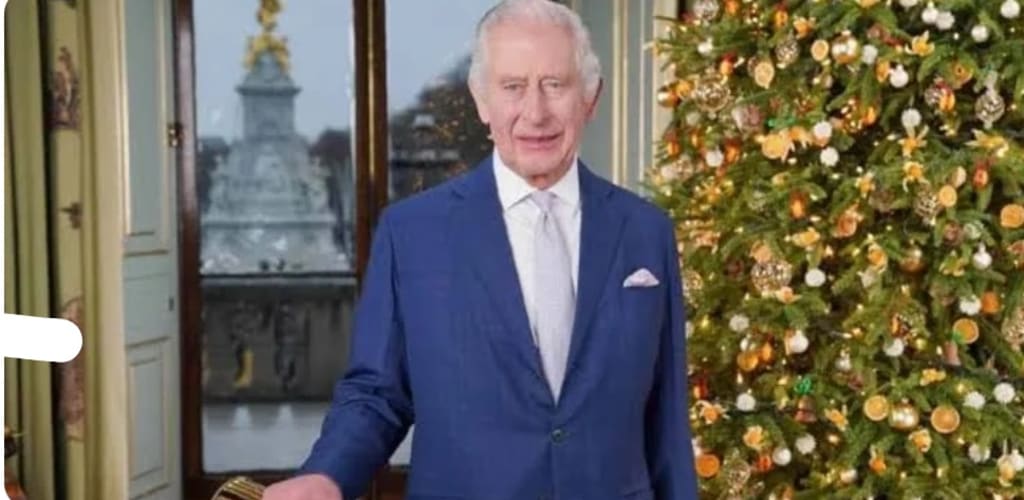
A Continuing Royal Question
King Charles III is facing renewed calls to bring clarity and finality to the long-running questions surrounding Prince Andrew.
Although Prince Andrew stepped back from official royal duties in 2019, public discussion about his status has not fully settled. Critics argue that the monarchy should formally define his position within the institution. Supporters of a cautious approach say decisions involving senior royals must balance legal, personal, and constitutional considerations.
The issue remains sensitive because it involves both family relationships and the public responsibilities of the Crown.
Background of the Controversy
Prince Andrew’s public standing changed significantly following his association with the late financier Jeffrey Epstein. Allegations linked to that association led to a major reputational crisis for the Duke of York.
In 2022, a civil case brought by Virginia Giuffre in the United States was settled out of court. Prince Andrew has consistently denied wrongdoing, and the settlement did not include an admission of liability.
However, the episode had lasting consequences. Buckingham Palace announced that Prince Andrew would no longer use his HRH style in an official capacity and would step away from royal duties.
While these steps were significant, they did not completely end public debate about his long-term position within the royal framework.
The Role of King Charles III
As monarch, King Charles III has sought to present a streamlined and focused vision for the modern monarchy. Since ascending the throne following the death of Queen Elizabeth II, he has emphasized efficiency, public service, and institutional accountability.
Observers note that the King’s leadership style often centers on long-term stability rather than rapid, reactive decisions. The Prince Andrew matter, however, continues to resurface in media discussions and parliamentary commentary.
Some believe that a definitive settlement — whether administrative, symbolic, or procedural — would reduce ongoing speculation.
Public Expectations and Institutional Trust
The British monarchy operates within a constitutional framework. While it is not a political governing body, it depends heavily on public support.
Public opinion in the United Kingdom has shifted in recent years, with greater attention to transparency and accountability across institutions. For some citizens, the Prince Andrew situation represents a test of how the monarchy addresses controversy.
Others argue that the steps already taken — including removal from public duties — constitute a final resolution in practical terms.
The challenge lies in defining what “final action” would mean within the context of a hereditary institution.
Financial and Property Questions
Part of the ongoing discussion relates to Prince Andrew’s residence and security arrangements. Reports in British media have focused on Royal Lodge, his long-term home within the Windsor estate.
Questions have been raised about financial responsibilities, lease agreements, and maintenance costs. Buckingham Palace has not publicly detailed internal arrangements, maintaining the tradition of discretion in family matters.
For King Charles, managing estate finances intersects with broader goals of modernizing royal operations.
Legal Closure Versus Public Closure
From a legal perspective, the civil case involving Prince Andrew has been settled. No criminal charges were brought against him in the United Kingdom.
Yet legal closure does not automatically produce public closure. Reputational matters can continue even after court proceedings end.
This distinction is central to the current debate. Some commentators argue that a formal public statement clarifying Andrew’s permanent non-working status would help bring closure. Others believe that continued silence reduces further attention.
The monarchy must weigh both approaches carefully.
Parliamentary and Media Pressure
Members of Parliament have occasionally voiced views on the issue, particularly when public funding or royal privileges are discussed.
British media outlets continue to revisit the matter during major royal events or financial disclosures. These discussions often question whether the Duke of York should retain certain ceremonial associations.
However, constitutional scholars emphasize that decisions regarding internal family roles remain largely within the monarch’s discretion.
A Family Dimension
The situation also has a personal dimension. Prince Andrew is the younger brother of King Charles III. Family relationships are intertwined with public responsibilities in a hereditary monarchy.
While the institution must protect its reputation, it must also navigate private relationships with sensitivity.
King Charles has previously demonstrated a willingness to restructure royal roles, focusing on a smaller group of working royals. Whether that restructuring extends further remains to be seen.
The Broader Context of Royal Reform
Since becoming King, Charles has signaled interest in gradual reform rather than dramatic overhaul. He has emphasized public service, environmental advocacy, and interfaith dialogue.
The Prince Andrew issue exists within this broader modernization effort. Decisions regarding titles, duties, or residence could signal how firmly the King intends to shape the monarchy’s future structure.
At the same time, the Crown traditionally avoids making announcements that appear punitive unless legally required.
Public Opinion and Social Media
Social media platforms have amplified public debate about royal accountability. Hashtags and commentary often reflect strong views on both sides of the issue.
Some users call for a complete removal of royal titles, while others argue that prior measures were sufficient.
Digital discussion, while influential, does not automatically dictate constitutional action. Still, it shapes the environment in which decisions are received.
What “Final Action” Might Look Like
Speculation continues about possible outcomes. Options discussed in public discourse include:
Formal clarification that Prince Andrew will not return to official duties
Adjustments to residential or financial arrangements
Quiet continuation of the current status without new announcements
Each path carries implications for public perception.
A clear statement could reduce speculation but also renew media focus. Maintaining the current arrangement may preserve stability but leave questions unresolved.
Balancing Stability and Accountability
King Charles III faces a complex balancing act. The monarchy’s long-term stability often depends on avoiding abrupt changes. Yet modern expectations increasingly favor transparency.
The Prince Andrew matter tests how the institution manages reputational challenges without compromising constitutional neutrality.
For many observers, the core issue is not personal loyalty but institutional integrity.
Looking Ahead
As the monarchy continues its transition under King Charles III, the Duke of York’s status remains a point of public interest.
There is no indication of imminent dramatic action. Instead, the situation appears to be evolving gradually, shaped by estate management decisions and broader royal policy.
Ultimately, the monarchy’s future credibility will depend on consistent standards applied across the institution.
The Prince Andrew issue, though rooted in past events, continues to influence discussions about the Crown’s modern role.
Conclusion
The debate over Prince Andrew’s future role reflects broader questions about accountability within hereditary institutions.
King Charles III has already overseen significant adjustments to royal duties and titles. Whether additional steps will follow remains uncertain.
For now, the issue remains part of the ongoing conversation about how the British monarchy adapts to contemporary expectations while preserving constitutional tradition.
The coming months may determine whether silence continues to serve as strategy or whether clearer public communication is seen as necessary to close this chapter.
About the Creator
Saad
I’m Saad. I’m a passionate writer who loves exploring trending news topics, sharing insights, and keeping readers updated on what’s happening around the world.
Why Black History Matters in America?
The United States of America is celebrating their 250th anniversary in 2026. I'm proud to be an American and as someone who was born here, I wouldn't imagine myself living anywhere else. This is a country where opportunities are possible. Where anyone can be successful in anything they desire to do. Equality, community, and togetherness are the backbones of what America is and should be about. However, we have an administration who wants to erase and disregard those who have made positive, meaningful impacts in our country, specifically Black figures, such as Martin Luther King, Jr., Rosa Parks, and Maya Angelou. President Trump and his administration have been constantly complaining and fighting against what they call the "Woke agenda". They use this excuse as a distraction from other issues they refuse to address, such as the high cost of living, climate change, and inflation. That equality is dividing America, when in reality, it's bringing us together. Being woke is not tied to a specific political party. No matter where you stand on the political spectrum, you can still care about other people and their plights. Compassion and empathy for others isn't tied to a political party, either. We were taught as children to treat others the way we want to be treated and not judge others because they're different from us. Caring about others isn't a personal attack on your beliefs. It doesn't make you any less of a person. People who are easily offended over African American figures, past or present, or anything related to it, are grasping at straws. Current and future generations need to know who people like Harriet Tubman and Shirley Chisholm were, especially in the classroom. Black History is part of American History. It should be recognized, not hidden or forgotten. Besides, you can't shield children from everything, just because your feelings are easily hurt.
By Mark Wesley Pritchard 18 days ago in The Swamp
United Kingdom Joins Norway, Italy, Iceland, Switzerland, France, and More European Countries in Taking a Stand on Sustainable Tourism with New Levies, Cruise Taxes, and Stay Limits
Travel in Europe is entering a new chapter—one where sustainability is no longer just a buzzword but a policy priority. From bustling historic cities to fragile natural landscapes, destinations are struggling with the effects of overtourism. Now, governments are responding with new visitor levies, cruise taxes, and stay limits designed to protect communities and preserve the environments that make Europe so desirable in the first place.
By Sajida Sikandar4 days ago in The Swamp




Comments
There are no comments for this story
Be the first to respond and start the conversation.