
Italy’s Strangest Art Town Is Getting a Second Chance
How abandoned towns are being revived through art, creativity, and community spirit
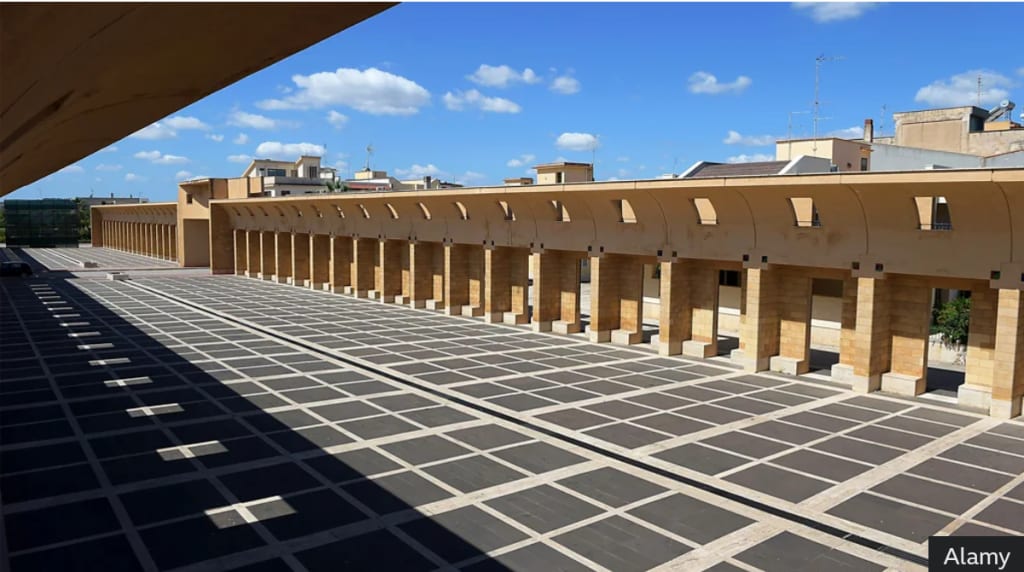
Hidden among Italy’s hills and valleys are towns that feel more like living art installations than typical villages. Many were abandoned due to natural disasters or depopulation. One of these towns, often called Italy’s strangest art town, is now experiencing a remarkable revival.
Thanks to artists, local leaders, and cultural initiatives, abandoned ruins are being transformed into spaces of creativity, tourism, and community life.
This blog explores how art is giving these forgotten Italian towns a second chance at life.
What Makes an Art Town “Strange”?
When people think of Italian art, cities like Florence, Venice, and Rome come to mind. But small towns have their own charm.
Take Gibellina in Sicily. Destroyed in a 1968 earthquake, it remained in ruins for decades. The sculptor Alberto Burri transformed it into the famous Cretto di Burri — a vast white concrete landscape covering the old streets.
Today, it’s not just a monument; it’s a living testament to creativity and resilience. Visitors experience history, art, and nature in one space. (Wikipedia)
Other Examples of Revival
Bussana Vecchia, Liguria
After an earthquake in 1887, Bussana Vecchia was abandoned. Artists arrived decades later, turning the ghost town into a vibrant creative community.
Now it hosts galleries, cafes, and studios, attracting tourists from around the world. The town thrives because art is at its heart.
Calcata, Central Italy
Calcata was evacuated in the 1930s over geological risks. Artists moved in during the 1960s, restoring homes and opening workshops.
Today, Calcata is a bohemian hub, with festivals, exhibitions, and artisan shops. It’s a perfect example of how creativity can revive life in abandoned towns.
Farm Cultural Park, Favara, Sicily
Since 2010, Farm Cultural Park has transformed Favara’s old buildings into galleries and performance spaces.
It proves that even small towns can attract visitors and create jobs when art meets community planning.
Why These Towns Are Thriving Again
Several factors explain this revival:
Heritage Meets Modern Art: Old structures are used as canvases, blending history with creativity.
Tourism Beyond Cities: Travelers now seek unique experiences, avoiding crowded tourist centers.
Creative Communities: Artists bring workshops, exhibitions, and events, creating economic and social life.
These elements combine to revive local pride and make towns worth visiting again.
Challenges to Consider
Revival isn’t without problems.
Some locals worry that too many tourists could overwhelm the town, harming the very authenticity that makes it special.
Balancing preservation with growth is essential. Successful towns protect heritage while welcoming visitors who respect local culture.
The Cultural Impact
Art towns offer more than aesthetics; they create cultural experiences and community engagement.
Visitors learn about history, architecture, and local traditions. Festivals and workshops provide immersive experiences that are impossible to replicate in big cities.
The Italian government and cultural organizations are increasingly recognizing these towns as centers of contemporary culture, providing funding and promotion.
Why a Second Chance Matters
Many of these towns faced depopulation, economic decline, and abandonment. Art gives them:
A reason for people to return or stay
New jobs and businesses
Opportunities for cultural tourism
Reviving these towns also preserves historical architecture and prevents cultural erosion.
Visiting Italy’s Art Towns
Travelers looking for unique experiences are flocking to:
Gibellina (Sicily)
Bussana Vecchia (Liguria)
Calcata (Lazio)
Favara’s Farm Cultural Park (Sicily)
Visitors can explore studios, enjoy exhibitions, and even meet artists. The combination of history, art, and community makes these towns unforgettable.
Conclusion
Italy’s strangest art towns show that creativity can revive abandoned spaces. From earthquake ruins to ghost towns, artists and locals are transforming history into something new.
These towns are more than tourist attractions; they are living symbols of resilience, imagination, and community.
For travelers, culture lovers, and creative minds, visiting these towns offers a window into Italy’s forgotten beauty — and a lesson in how art can give communities a second chance.
About the Creator
Shooting Aftermath Leaves Homeland Security Department in Turmoil
A fatal incident in Minnesota triggers leadership changes, internal strain, and political pressure The U.S. Department of Homeland Security (DHS) is facing significant turmoil after a recent shooting involving federal law enforcement agents in Minneapolis. What began as a law enforcement operation has now grown into a national controversy, with agency leaders under scrutiny, internal tensions spilling into the public eye, and political pressure rising from both sides of the aisle.
By Fiaz Ahmed 4 days ago in The Swamp
Republican Senators Join Calls for Fuller Investigation into Minneapolis Killing
In the wake of a controversial killing in Minneapolis, several Republican senators have publicly joined calls for a thorough and comprehensive investigation. The move highlights growing bipartisan concern over law enforcement actions and the need for transparency in high-profile cases that have captured national attention.
By Aarif Lashari7 days ago in The Swamp


Comments
There are no comments for this story
Be the first to respond and start the conversation.