
Israel Agrees to Limited Reopening of Rafah Border Crossing in Gaza
Move signals cautious humanitarian progress amid ongoing regional tensions
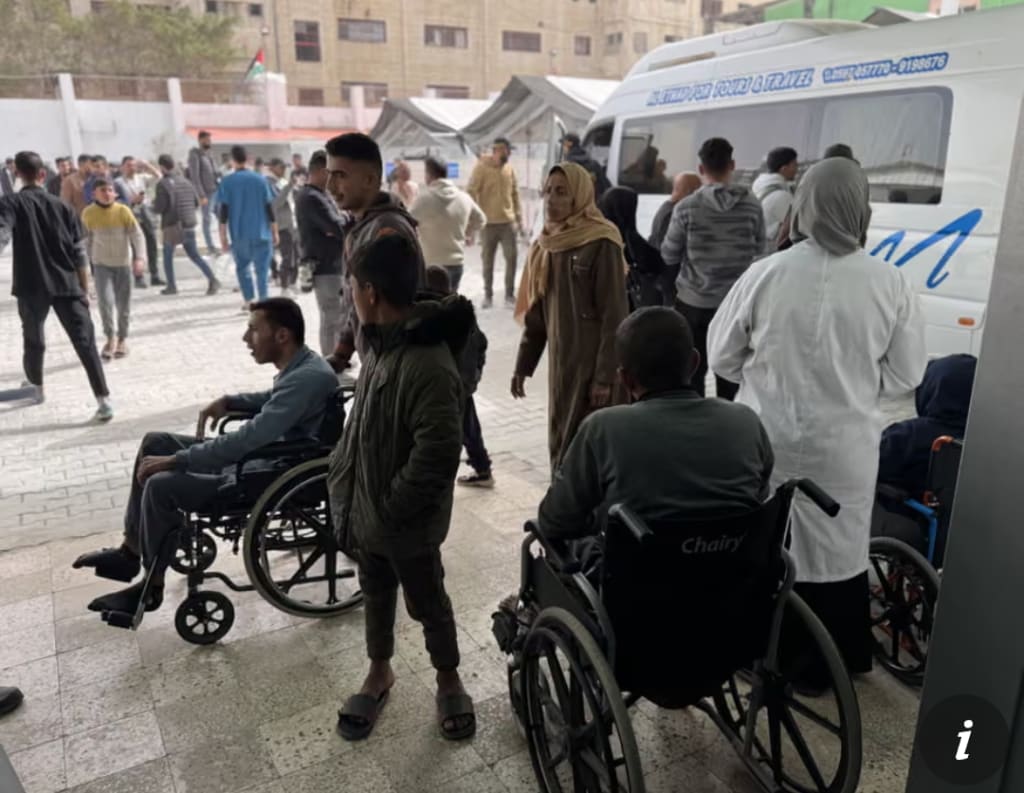
Israel has reportedly agreed to a limited reopening of the Rafah border crossing in Gaza, a development that could have significant humanitarian and political implications. The Rafah crossing, located between Gaza and Egypt, has long been considered a crucial lifeline for civilians in the region, enabling the movement of people, medical evacuations, and the delivery of humanitarian aid.
While the reopening is described as limited, the decision has drawn global attention, with humanitarian organizations, governments, and regional analysts closely monitoring how access will be managed and whether it could expand in the future.
Why the Rafah Crossing Is So Important
The Rafah crossing plays a unique role compared to other Gaza border crossings. It connects Gaza directly to Egypt rather than Israel, making it an essential route for humanitarian assistance and civilian travel during times of restricted movement elsewhere.
The crossing is vital because it allows:
Delivery of medical supplies and emergency aid
Evacuation of seriously ill or injured civilians
Entry of food, fuel, and essential goods
Limited civilian movement for urgent needs
For many Gaza residents, Rafah often represents the only accessible route to the outside world.
What “Limited Reopening” Typically Means
A limited reopening generally involves controlled or conditional access rather than full operational capacity. This often includes strict monitoring, restricted numbers of travelers, and regulated aid shipments.
Limited reopening measures may involve:
Specific hours or days of operation
Approval-based travel lists
Humanitarian aid prioritization
Security inspection procedures
International monitoring or coordination
These measures are usually designed to balance humanitarian needs with security concerns.
Humanitarian Impact of the Decision
Humanitarian organizations have long called for consistent access to Gaza to prevent worsening humanitarian conditions. Even partial reopening can significantly improve living conditions if aid and medical access increase.
Potential humanitarian benefits include:
Increased medical evacuations
Greater access to food and essential supplies
Support for hospitals facing shortages
Improved movement for humanitarian workers
Aid agencies often emphasize that predictable and sustained access is key to long-term humanitarian stability.
Security Considerations Behind Border Decisions
Border access decisions in conflict regions are typically influenced by security concerns. Governments involved often aim to prevent weapons smuggling, militant movement, or other security threats.
Security priorities may include:
Screening of travelers and cargo
Monitoring supply shipments
Coordinating intelligence between agencies
Managing cross-border security risks
Balancing humanitarian access with security remains one of the most complex aspects of border management.
Egypt’s Role in Managing the Crossing
Egypt plays a central operational role in the Rafah crossing. As the country controlling the southern border, Egypt is often responsible for coordinating border security, processing travelers, and facilitating humanitarian aid deliveries.
Egypt’s responsibilities often include:
Border security checks
Coordination with international aid organizations
Participation in regional diplomacy
Crisis management during conflict escalations
Egypt frequently acts as a mediator in broader regional negotiations.
International Reaction to the Reopening
The limited reopening has drawn reactions from international organizations and foreign governments. Many humanitarian groups have welcomed the move while urging sustained and expanded access in the future.
International responses often focus on:
Calls for increased humanitarian access
Monitoring of border operations
Diplomatic engagement with regional actors
Increased funding for humanitarian operations
Many observers view the move as a positive step, though not a complete solution.
Economic Implications for Gaza
Border access can directly influence Gaza’s fragile economy. Even limited openings can help stabilize supply chains and improve availability of essential goods.
Possible economic effects include:
Improved supply flow of basic goods
Temporary stabilization of market prices
Increased small-scale trade opportunities
Support for local businesses reliant on imported goods
However, long-term economic recovery generally requires consistent and predictable border access.
Challenges to Maintaining Border Access
Maintaining long-term border operations remains challenging due to political tensions, security incidents, and regional diplomatic shifts.
Key challenges include:
Rapid changes in security conditions
Political disagreements between parties
Logistical coordination difficulties
Infrastructure limitations
These factors often make border operations unpredictable.
The Broader Regional Context
The Rafah crossing has long symbolized the broader political and humanitarian challenges in the region. Border decisions often reflect wider diplomatic negotiations and security developments.
Regional analysts often note that sustainable humanitarian access usually depends on broader political agreements and conflict de-escalation efforts.
What Happens Next
The future of the crossing will likely depend on security developments, diplomatic negotiations, and humanitarian conditions. International organizations are expected to continue pushing for expanded and consistent access.
Future developments may include:
Expanded humanitarian corridors
Increased international monitoring
Infrastructure improvements for aid delivery
Integration into broader diplomatic agreements
Conclusion
Israel’s reported agreement to a limited reopening of the Rafah border crossing represents a potentially important humanitarian development. For civilians, it could improve access to medical care, essential supplies, and outside connections. For governments and international organizations, it highlights the ongoing challenge of balancing humanitarian needs with complex security realities.
While the reopening may provide short-term relief, long-term stability will likely depend on broader regional political progress. For now, the decision offers cautious hope for improved humanitarian conditions in Gaza.
About the Creator
Keep reading
More stories from Aarif Lashari and writers in The Swamp and other communities.
What to Know About the Rafah Border Crossing in Gaza
The Rafah border crossing is one of the most critical and sensitive gateways in the Middle East. Located at the southern edge of the Gaza Strip along the border with Egypt, Rafah serves as a crucial link between Gaza and the outside world. During periods of ongoing conflict and political tension, the crossing often becomes a focal point for humanitarian operations, diplomatic negotiations, and regional security concerns.
By Aarif Lashariabout 4 hours ago in The Swamp
Becoming The Villain
As I said before the hero’s journey either leads to being the hero or becoming the villain. And remember some peoples hero are other peoples villain and vice versa. Yet we understand when a character has become the villain, is the villain or might be the villain.
By WrittenWritRalf3 days ago in The Swamp
U.S. Immigration Shakeup in Minneapolis: Leadership Change and Rising Tensions
In a dramatic shift in the federal response to mounting civil unrest in Minneapolis, the Trump administration is making leadership changes in its highly controversial immigration enforcement operations. As local outrage grows over two fatal shootings involving federal agents, Border Patrol Commander Gregory Bovino is departing the city while President Donald Trump dispatches veteran immigration figure Tom Homan—often dubbed the administration’s “border tsar”—to oversee operations and calm intensifying tensions. �
By Ayesha Lashari6 days ago in The Swamp




Comments
There are no comments for this story
Be the first to respond and start the conversation.