
What to Know About the Rafah Border Crossing in Gaza
Why this key crossing matters for humanitarian aid, movement, and regional politics
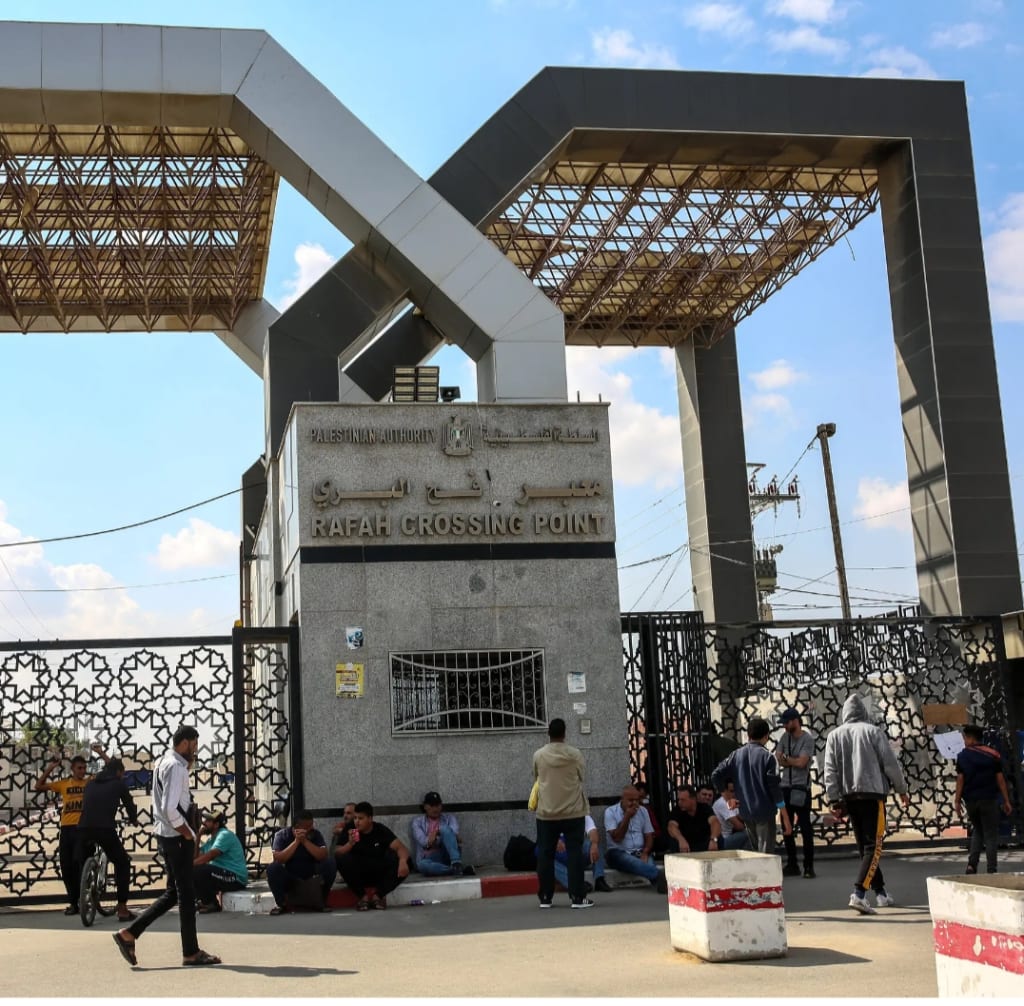
The Rafah border crossing is one of the most critical and sensitive gateways in the Middle East. Located at the southern edge of the Gaza Strip along the border with Egypt, Rafah serves as a crucial link between Gaza and the outside world. During periods of ongoing conflict and political tension, the crossing often becomes a focal point for humanitarian operations, diplomatic negotiations, and regional security concerns.
Understanding the Rafah crossing requires looking at its history, its role in everyday life for Gaza residents, and its importance in international politics.
Where the Rafah Crossing Is Located
The Rafah crossing sits between the southern Gaza Strip and Egypt’s Sinai Peninsula. Unlike other crossings connected to Israel, Rafah is controlled on the Egyptian side, making it a unique gateway for movement in and out of Gaza.
Because of this location, Rafah often functions as:
A humanitarian aid entry point
A civilian travel route when open
A diplomatic pressure point during regional tensions
A key security monitoring location
Its strategic position gives it both humanitarian and geopolitical importance.
Historical Background of the Crossing
The Rafah crossing has a complex history shaped by decades of conflict, shifting political control, and security concerns. Over time, control and operational rules have changed depending on regional developments and security agreements.
Historically, Rafah has:
Opened during periods of relative stability
Closed during times of conflict or security concerns
Been used as a negotiation point in diplomatic talks
Served as a vital humanitarian access route
This pattern of opening and closing has made life unpredictable for many Gaza residents who rely on the crossing.
Why Rafah Is Important for Gaza Residents
For people living in Gaza, Rafah often represents the only potential exit point to the outside world. Travel restrictions have historically made international movement difficult, increasing the importance of this crossing.
Rafah is critical for:
Medical travel for treatment abroad
Students traveling for education
Families separated by borders
Limited commercial trade and supply movement
For many families, the opening of Rafah can mean life-changing opportunities or urgent medical care access.
The Humanitarian Role of the Crossing
Humanitarian organizations rely heavily on border crossings like Rafah to deliver essential supplies. During crisis periods, it can serve as a major entry point for international aid.
Humanitarian supplies typically include:
Food and water
Medical equipment and medicine
Fuel and power-related supplies
Emergency shelter materials
Consistent access is often seen as essential for preventing humanitarian crises from worsening.
Security Considerations
While humanitarian access is vital, security remains a major factor influencing how the crossing operates. Governments involved must balance civilian access with national security concerns.
Security priorities often include:
Monitoring movement of people and goods
Preventing smuggling of weapons or restricted materials
Coordinating security checks with multiple agencies
Managing regional political risks
These security concerns often influence how frequently the crossing opens or closes.
Egypt’s Role in Managing Rafah
Egypt plays a central role in managing the Rafah crossing. As the country controlling the southern side of the border, Egypt often coordinates humanitarian deliveries, travel permissions, and security checks.
Egypt’s involvement includes:
Managing border security
Coordinating with international aid agencies
Participating in regional diplomatic discussions
Acting as a mediator during conflicts
Egypt’s cooperation is often essential for maintaining access.
International Political Importance
The Rafah crossing often becomes part of wider diplomatic negotiations. International organizations, governments, and humanitarian groups closely monitor developments there.
Global attention focuses on:
Humanitarian access conditions
Regional security stability
Diplomatic negotiations related to Gaza
Long-term peace discussions
Because of its symbolic and practical importance, Rafah often reflects broader regional tensions.
Economic Effects of Border Access
The crossing also affects Gaza’s fragile economy. When open, goods and supplies can move more easily, helping stabilize prices and supply chains.
Economic impacts may include:
Improved availability of basic goods
Lower transportation costs for supplies
Increased small-scale trade activity
Support for local businesses
However, long-term economic stability usually depends on consistent access and broader regional stability.
Challenges of Maintaining Continuous Operation
Maintaining regular crossing operations is difficult due to political tensions, security incidents, and shifting diplomatic conditions.
Key challenges include:
Rapid changes in security situations
Political disagreements between regional actors
Infrastructure and logistical constraints
Coordination between multiple governments and agencies
Because of these challenges, access is often unpredictable.
The Future of the Rafah Crossing
The future of Rafah will likely depend on regional political developments, security conditions, and international diplomatic efforts. Many humanitarian groups continue calling for stable, predictable access.
Future possibilities include:
More consistent humanitarian corridors
Increased international monitoring
Expanded infrastructure for aid delivery
Integration into broader peace or security agreements
Conclusion
The Rafah border crossing is far more than a physical checkpoint. It is a lifeline for civilians, a tool for humanitarian aid delivery, and a symbol of complex regional politics. Its opening and closing often reflect broader geopolitical developments while directly affecting the lives of millions of people.
Understanding Rafah helps explain the humanitarian and political realities facing Gaza and the wider region. As global attention continues to focus on the crossing, its future will likely remain closely tied to broader regional stability and diplomatic progress.
About the Creator
Keep reading
More stories from Aarif Lashari and writers in The Swamp and other communities.
How To Cultivate a New Crush: A Guide to Sparking Connection and Confidence
Developing a new crush can be both thrilling and nerve-wracking. That flutter in your stomach, the eagerness to know more, and the desire to spend time with someone special can feel overwhelming — but it also presents an opportunity for growth, self-awareness, and authentic connection. Learning how to cultivate a crush isn’t just about romantic pursuit; it’s about understanding yourself, building confidence, and creating meaningful interactions.
By Aarif Lashariabout 8 hours ago in The Swamp


Comments
There are no comments for this story
Be the first to respond and start the conversation.