
Iran Could Disrupt the Strait of Hormuz With Drones for Months
Tehran’s expanding drone campaign threatens to choke a critical global oil artery, driving energy volatility and raising the risk of prolonged maritime conflict.
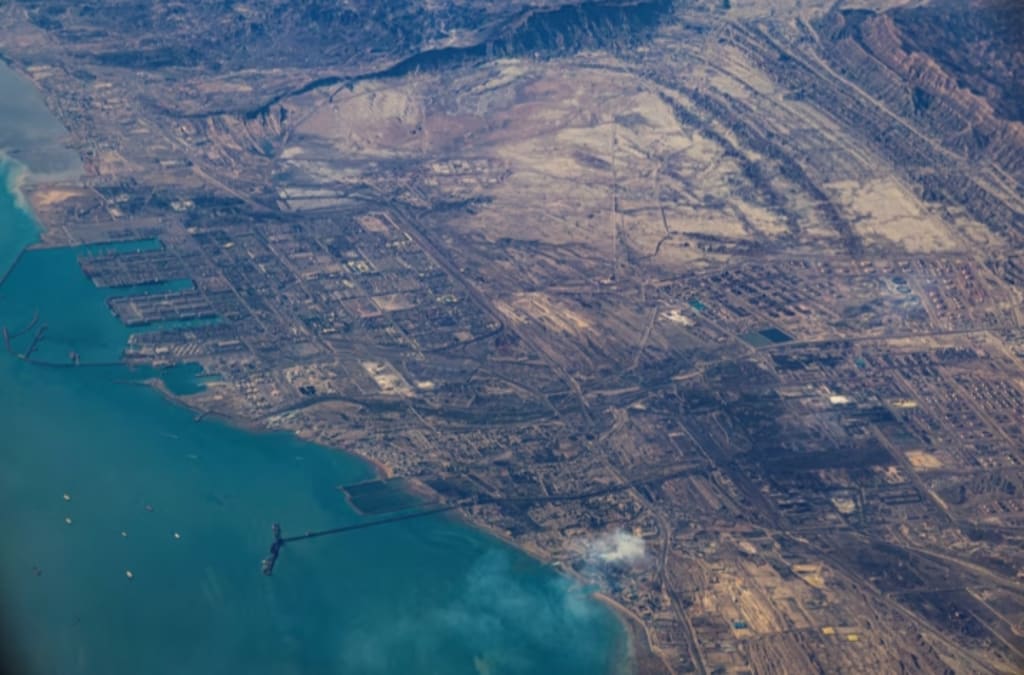
The narrow waters of the Strait of Hormuz have once again become the epicenter of global anxiety. Stretching just 21 miles wide at its narrowest point, this maritime corridor connects the Persian Gulf to the Gulf of Oman and carries nearly a fifth of the world’s oil and a significant portion of liquefied natural gas exports.
Now, security analysts warn that Iran could sustain drone operations in the region for months, effectively disrupting commercial shipping and destabilizing global energy markets without ever fully “closing” the strait.
This is not a traditional naval blockade. It is something more modern — and potentially more enduring.
The Rise of Drone Warfare at Sea
Iran’s drone program has evolved into one of the most extensive in the region. Unlike fighter jets or large missile systems, drones are relatively inexpensive, easy to mass-produce, and difficult to intercept with perfect efficiency.
Military experts estimate that Iran has the industrial capacity to manufacture thousands of drones monthly. Even if a high percentage are intercepted, a small fraction getting through can be enough to:
Damage oil tankers
Disrupt port operations
Force shipping companies to reroute
Drive up maritime insurance premiums
This form of asymmetric warfare allows Tehran to maintain pressure without risking large naval vessels in direct confrontation.
Instead of sinking fleets, the goal appears to be sustained uncertainty.
Why the Strait of Hormuz Is So Critical
The Strait of Hormuz is often described as the world’s most important energy chokepoint — and for good reason.
Roughly:
20% of global crude oil
A major share of Qatar’s LNG exports
Significant petroleum shipments from Saudi Arabia, Iraq, Kuwait, and the UAE
all pass through this narrow passage daily.
Even partial disruption sends immediate shockwaves through:
Oil futures markets
Natural gas pricing
Global shipping logistics
Inflation-sensitive economies
Markets react not only to actual damage but to perceived risk. If tankers hesitate to transit, supply tightens — and prices climb.
Disruption Without Closure
Iran does not need to physically block the waterway to achieve strategic leverage.
Drone harassment alone can:
Slow commercial traffic
Increase transit times
Inflate shipping insurance rates
Deter smaller operators entirely
Insurers often designate high-risk maritime zones during conflict. Once premiums surge, shipping companies must decide whether transit is economically viable.
In past crises, even limited attacks in the Gulf led to temporary slowdowns. A prolonged drone campaign could stretch those effects across months rather than days.
The Economic Ripple Effect
Energy markets are hypersensitive to Hormuz disruptions. Even rumors of instability can push oil benchmarks sharply higher.
A sustained campaign could result in:
Higher global fuel costs
Increased transportation expenses
Inflationary pressure on food and goods
Slower economic growth in energy-importing nations
Asia and Europe — heavily reliant on Gulf energy exports — would likely feel the most immediate impact.
Meanwhile, exporters dependent on uninterrupted oil revenue face financial strain if shipping bottlenecks persist.
Could Sea Mines Be Next?
While drones present an immediate challenge, maritime analysts caution that Iran possesses another tool: naval mines.
Mines are inexpensive, difficult to detect, and time-consuming to clear. Even the suspicion of mine deployment can halt traffic until naval forces conduct sweeping operations.
Mine clearance is slow and meticulous work. If drones are used in combination with mines, disruption could extend far beyond active hostilities.
That possibility heightens the stakes considerably.
Military Calculations and Strategic Messaging
From Tehran’s perspective, drone disruption serves multiple objectives:
Demonstrate control over a strategic chokepoint
Apply economic pressure on adversaries
Deter further military escalation
Project regional strength without full-scale naval confrontation
For the United States and allied navies operating in the Gulf, maintaining freedom of navigation is a declared priority. Naval patrols, air defense systems, and escort missions have already increased.
However, intercepting every low-flying drone is nearly impossible. The cost imbalance is striking: defensive missile systems can cost millions per intercept, while attack drones may cost a fraction of that amount.
Over time, the economics of defense become strained.
The Insurance and Shipping Dilemma
Maritime insurers play a quiet but decisive role in such crises.
If the strait is classified as a high-risk war zone:
Premiums can skyrocket
Coverage may be restricted
Some carriers may refuse bookings
Shipping firms must weigh risk versus reward. Alternative routes — such as rerouting around Africa’s Cape of Good Hope — add weeks to voyages and significantly increase fuel costs.
Even without direct hits on tankers, prolonged drone threats can reshape shipping patterns.
Diplomatic Pressures Mount
The international community faces a complex dilemma.
Escalation risks widening conflict.
Restraint risks emboldening further disruption.
Energy-dependent nations are likely to push for diplomatic engagement. Meanwhile, military coalitions may expand escort operations to reassure markets and maintain transit flows.
But if drone launches continue at a steady pace, diplomatic efforts may struggle to keep up with operational realities.
A Long Game Strategy?
The key question is duration.
Can Iran sustain a drone disruption campaign for months?
Given its production capacity and reliance on relatively low-cost systems, many analysts believe the answer is yes — especially if the objective is not total shutdown but persistent instability.
A drawn-out campaign could:
Keep markets volatile
Drain defensive resources
Maintain geopolitical leverage
In modern warfare, sometimes disruption is more powerful than destruction.
Final Thoughts
The Strait of Hormuz remains one of the most strategically sensitive waterways on Earth. In an era where drones redefine military engagement, Iran may not need battleships or sweeping naval offensives to exert influence.
A sustained drone campaign could disrupt shipping, unsettle global markets, and test international resolve for months — all without a formal blockade.
The crisis underscores a new reality: in the 21st century, global economic stability can hinge not only on armies and fleets, but on swarms of unmanned aircraft flying low over narrow seas.
And as tensions persist, the world’s most important energy corridor remains on edge.
About the Creator
A Gathering of Evil Bosses
“I’m the queen of chin jutting while I smooth my hair, attacking, insulting, and deflecting to protect my appointer.” “Oh, please, Blondi, my hair is curled, highlighted, and longer than yours. I feature television commercials telling immigrants that we will give them a free plane ride home, and if they voluntarily turn themselves in, they will be allowed to legally apply for re-entry. It runs everywhere, and I look good in it! You can’t compete because of your blond hair. Mine is nicer, and my lips are prettier than yours.”
By Andrea Corwin 15 days ago in The Swamp
Top 50 English-Language News Sites in the World: Substack Leads YoY Growth for Seventh Month as Most Down in January
Subtitle: As traditional news platforms face declining traffic, independent publishing and newsletter-driven journalism are reshaping the global media landscape.
By Jameel Jamali6 days ago in The Swamp




Comments
There are no comments for this story
Be the first to respond and start the conversation.