
Casualties Include Women and Children as Gaza Hospitals Receive Bodies After Latest Violence
Civilian toll highlights deepening humanitarian crisis and ongoing regional tensions
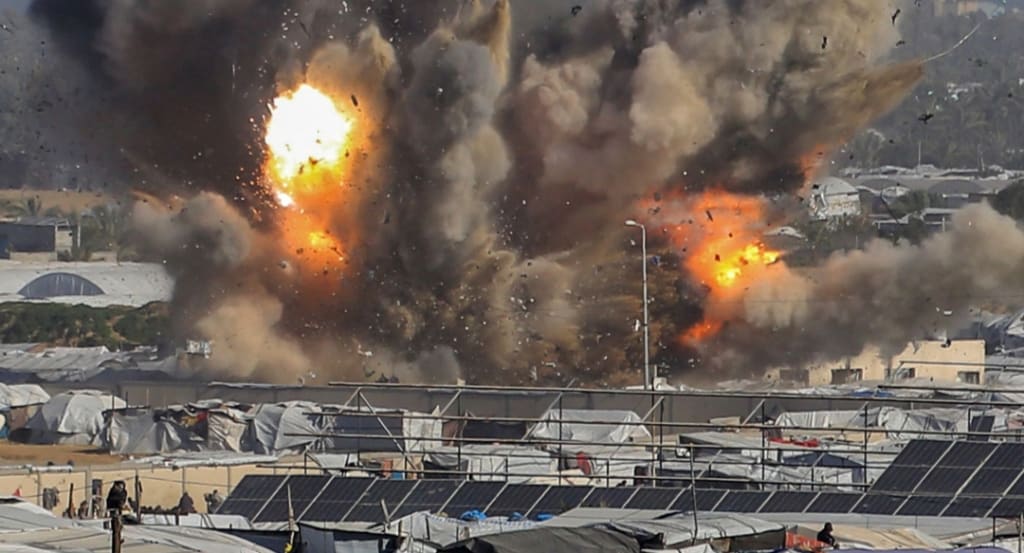
Officials at Gaza hospitals have reported receiving bodies from a recent violent incident, with casualties including two women and six children from two different families. The development has once again drawn global attention to the devastating human cost of ongoing violence in the region and the increasing strain on already fragile humanitarian systems.
While details surrounding the specific incident continue to emerge, the loss of civilian life — particularly involving families and children — has intensified international concern and renewed calls for de-escalation and humanitarian protections.
What Officials and Medical Sources Reported
Hospital officials in Gaza stated that among those killed were members of two separate families, including women and young children. Medical workers in the region often serve as primary sources of information during active conflict periods, as hospitals are frequently the first institutions to confirm casualty figures.
In fast-moving conflict situations, reporting often focuses on:
Confirming victim identities
Providing emergency treatment to survivors
Documenting casualty numbers
Coordinating with humanitarian organizations
Hospitals in Gaza have repeatedly faced extreme pressure during periods of escalated violence.
The Growing Humanitarian Crisis
The latest casualties come amid an already severe humanitarian situation in Gaza. Years of conflict, economic restrictions, and infrastructure damage have left many communities vulnerable.
Humanitarian challenges in the region often include:
Limited access to medical supplies
Overcrowded healthcare facilities
Damage to infrastructure
Food and clean water shortages
Humanitarian agencies warn that prolonged conflict increases risks for civilians, particularly children and vulnerable populations.
The Impact on Families and Communities
When entire families are affected by violence, the emotional and social consequences can be long-lasting. Community structures can be deeply affected when multiple members of the same family are lost in a single incident.
Community impacts may include:
Psychological trauma
Loss of primary income providers
Displacement of surviving family members
Long-term social instability
Aid organizations often emphasize the need for mental health support alongside emergency medical care.
Protection of Civilians Under International Law
International humanitarian law emphasizes the protection of civilians during armed conflict. The Geneva Conventions and related international agreements establish rules designed to limit harm to non-combatants.
These principles include:
Avoiding civilian infrastructure targeting
Protecting hospitals and medical personnel
Minimizing civilian casualties during operations
Ensuring humanitarian access
However, enforcement can be complex in active conflict environments.
The Role of Hospitals in Conflict Zones
Medical facilities in conflict zones often serve as more than healthcare centers. They become emergency coordination hubs, documentation centers, and humanitarian response bases.
Healthcare workers in conflict zones often face:
Resource shortages
Overwhelming casualty numbers
Personal safety risks
Emotional stress from treating trauma victims
Despite these challenges, medical workers continue to provide essential life-saving care.
International Reactions
Incidents involving civilian casualties often trigger international reactions from governments, humanitarian organizations, and global institutions. These responses often include calls for investigations, ceasefire negotiations, and increased humanitarian aid.
International responses often focus on:
Civilian protection measures
Humanitarian corridor access
Medical aid delivery
Conflict de-escalation efforts
The Long-Term Impact on Children
Children exposed to conflict environments often face long-term physical, emotional, and psychological consequences. Experts warn that repeated exposure to violence can affect development, education, and long-term health outcomes.
Child protection groups often emphasize:
Access to education during conflict
Safe shelter and displacement support
Trauma counseling services
Family reunification programs
The Media’s Role in Conflict Reporting
Responsible reporting of civilian casualties plays a major role in shaping global awareness and humanitarian response. Accurate and sensitive reporting helps ensure victims are recognized while maintaining dignity and respect.
Media experts often emphasize:
Verification of casualty information
Respect for victim privacy
Avoiding graphic or exploitative content
Providing balanced conflict context
The Broader Regional Context
The ongoing violence forms part of a broader and long-running regional conflict with complex historical, political, and territorial dimensions. Efforts toward long-term peace have faced repeated challenges over decades.
Despite diplomatic attempts, periodic escalations continue to affect civilian populations most severely.
The Need for Humanitarian Focus
Many humanitarian organizations emphasize that regardless of political or military dynamics, civilian protection must remain a top priority. Access to medical aid, food supplies, and safe shelter remains critical.
Experts often call for:
Increased humanitarian aid funding
Protection of civilian infrastructure
Monitoring of civilian casualty incidents
Support for post-conflict recovery programs
Conclusion
The report that two women and six children from two families were among those killed, according to Gaza hospital officials, highlights the devastating human cost of ongoing violence. Civilian casualties, particularly involving families and children, continue to raise urgent humanitarian concerns worldwide.
As the conflict continues, the need for humanitarian protection, medical support, and international attention remains critical. For communities on the ground, the consequences of violence extend far beyond immediate casualties, shaping the future of families, communities, and entire generations.
The tragedy serves as a reminder that behind conflict statistics are real families, lives, and futures permanently altered by violence.
About the Creator
Keep reading
More stories from Aarif Lashari and writers in The Swamp and other communities.
UK Will Face Twin Blizzards in 48-Hour Weather Blast
The United Kingdom is preparing for a powerful winter weather event as forecasters warn of twin blizzards expected to hit within a 48-hour period. Meteorologists say the rare back-to-back storm system could bring heavy snowfall, freezing temperatures, and strong winds across multiple regions, potentially disrupting travel, schools, and businesses.
By Aarif Lasharia day ago in The Swamp
US Warns It Could Deploy Fighter Jets Into Canadian Airspace if F-35 Deal Collapses
A sharp warning from Washington has thrust the long-running debate over Canada’s purchase of F-35 fighter jets back into the spotlight. US officials have cautioned that American fighter aircraft could be sent into Canadian airspace more frequently if Ottawa fails to follow through on its planned acquisition of the stealth jets. The message, unusually direct for two of the world’s closest allies, underscores how defence procurement decisions are increasingly being framed as national security imperatives rather than routine budgetary choices.
By Salaar Jamali6 days ago in The Swamp


Comments
There are no comments for this story
Be the first to respond and start the conversation.