
UK Will Face Twin Blizzards in 48-Hour Weather Blast
Severe winter system threatens travel, infrastructure, and daily life across Britain
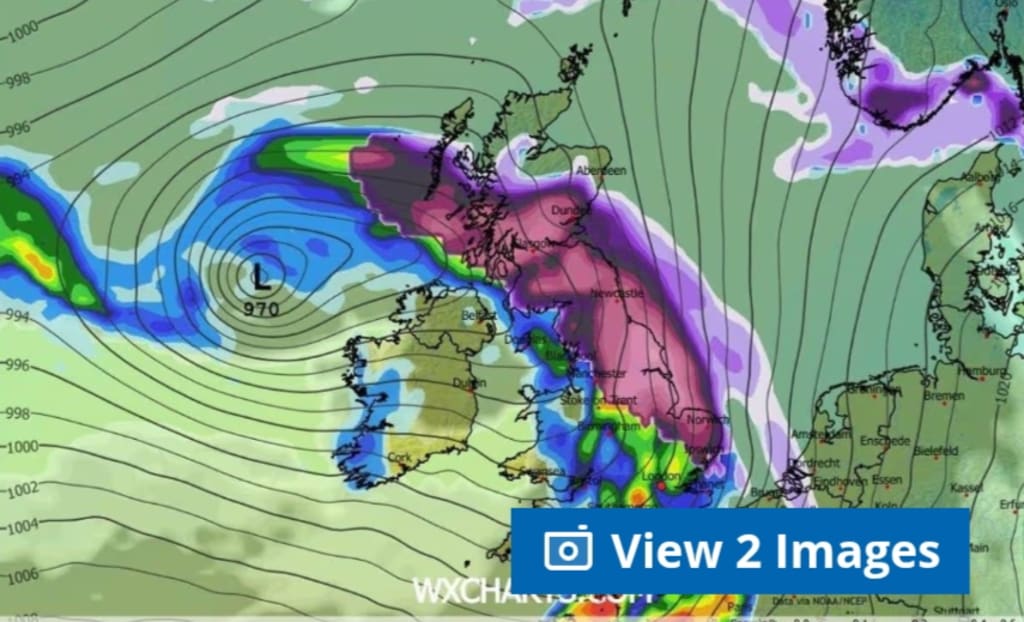
The United Kingdom is preparing for a powerful winter weather event as forecasters warn of twin blizzards expected to hit within a 48-hour period. Meteorologists say the rare back-to-back storm system could bring heavy snowfall, freezing temperatures, and strong winds across multiple regions, potentially disrupting travel, schools, and businesses.
Weather experts are urging the public to prepare early, as the combination of snow accumulation and wind chill could create hazardous conditions across much of the country.
What Are Twin Blizzards?
Twin blizzards occur when two separate winter storm systems hit a region in rapid succession. Unlike a single snowstorm, this type of event can be more disruptive because infrastructure and emergency services have less recovery time between storms.
Key characteristics of blizzards include:
Heavy snowfall
Strong winds exceeding 35 mph
Reduced visibility
Dangerous wind chill temperatures
When two such systems arrive within days of each other, the effects can compound, increasing risks of travel chaos and infrastructure strain.
Areas Most Likely to Be Affected
Early forecasts suggest northern England, Scotland, parts of Wales, and some Midlands regions could face the most severe impacts. However, rapidly changing weather patterns mean southern regions could also experience snow and freezing rain.
Urban centres may face:
Traffic gridlock
Public transport delays
Flight cancellations
School closures
Rural communities may face greater risks due to limited road access and slower emergency response times.
Why This Weather Event Is Unusual
While winter storms are common in the UK, meteorologists say back-to-back blizzard systems are relatively rare. This week’s weather pattern is believed to be caused by a combination of:
Arctic air masses moving south
Atlantic storm systems colliding with cold air
Jet stream shifts pulling moisture-rich air over the UK
Climate researchers note that extreme weather patterns are becoming more unpredictable, with sudden cold blasts sometimes following milder winter periods.
Impact on Travel and Transport
Transport networks are expected to face major pressure. Snow accumulation and icy roads increase the likelihood of accidents and travel delays.
Possible transport disruptions include:
Motorway closures due to snow drifts
Rail service delays from frozen tracks
Airport delays or cancellations
Bus service interruptions in rural and hilly areas
Transport authorities are expected to deploy gritters and snow ploughs, but heavy snowfall could still overwhelm systems temporarily.
Risks to Infrastructure and Utilities
Severe winter weather can also affect power lines, water systems, and communication networks. Strong winds combined with heavy snow may cause tree damage and power outages.
Utility companies often prepare for such events by:
Increasing emergency repair teams
Monitoring energy demand
Issuing public guidance on safe heating use
Residents are advised to prepare for potential temporary outages.
Health and Safety Concerns
Cold weather presents serious health risks, particularly for elderly residents, young children, and those with medical conditions.
Health experts warn of risks such as:
Hypothermia
Frostbite
Increased respiratory illness
Slips and falls due to icy pavements
Authorities recommend checking on vulnerable neighbours and ensuring homes are properly heated and insulated.
How to Prepare for the Blizzard
Experts recommend several steps to stay safe during severe winter weather:
Home Preparation
Stock up on food, water, and essential medicines
Check heating systems
Insulate pipes to prevent freezing
Travel Preparation
Avoid unnecessary travel during heavy snow
Carry emergency supplies in vehicles
Check weather updates regularly
Personal Safety
Wear multiple warm layers
Use proper winter footwear
Keep mobile devices charged
Preparation can significantly reduce risk during extreme winter events.
Economic Impact of Severe Weather
Severe weather can also affect the economy. Snowstorms often cause:
Lost productivity due to transport disruptions
Retail and hospitality revenue losses
Supply chain delays
Increased public spending on emergency services
However, some sectors, such as energy and winter retail, may see short-term demand increases.
Climate Change and Extreme Weather
Scientists continue studying how climate change influences winter weather. While overall global temperatures are rising, changing atmospheric patterns can still produce intense cold events.
Some research suggests climate change may contribute to:
More intense short-term winter storms
Greater unpredictability in seasonal weather
Shifts in jet stream patterns
Understanding these changes is crucial for long-term infrastructure planning and disaster preparedness.
What Happens After the Storms?
Recovery from twin blizzards can take days or weeks depending on severity. Authorities will likely focus on:
Clearing roads and transport routes
Restoring utilities
Assessing structural damage
Supporting affected communities
Local councils often coordinate cleanup and recovery efforts with emergency services and volunteer groups.
Conclusion
The approaching twin blizzards represent a serious winter weather threat for the UK, with potential impacts on travel, infrastructure, health, and daily life. While severe snowstorms are part of British winters, back-to-back blizzards can significantly increase risks and disruption.
Authorities and meteorologists stress the importance of preparation, awareness, and caution as the country braces for what could be one of the most challenging winter weather events of the season.
As forecasts continue to develop, staying informed and prepared will be key to safely navigating the coming 48-hour weather blast.
About the Creator
Keep reading
More stories from Aarif Lashari and writers in The Swamp and other communities.
Trump’s Iran Ultimatum, Rebel Rule in Goma, and a Second Killing in Minneapolis: The Cheat Sheet
From rising tensions between the United States and Iran to armed conflict in Central Africa and renewed concerns about public safety in an American city, the past week has delivered a series of major global developments. Each story reflects broader themes—geopolitical rivalry, regional instability, and domestic security challenges—that continue to shape international headlines.
By Aarif Lasharia day ago in The Swamp
U.S. Government Invests $1.6 Billion in Rare Earths Firm: A Game-Changer for Domestic Supply Chains
Big news in the world of critical minerals! The U.S. government has just taken a $1.6 billion stake in USA Rare Earth, a company focused on developing domestic rare earth mineral production. This move isn’t just about investing in a company—it’s about securing America’s future in technology, defense, and clean energy.
By Ayesha Lashari6 days ago in The Swamp
EasyJet Faces Scrutiny Over ‘Misleading’ £5.99 Cabin Bag Fee
EasyJet has come under renewed scrutiny after being warned that its £5.99 cabin bag fee could be considered “misleading” by consumer rights advocates. The controversy has reignited a broader debate about transparency in airline pricing and the true cost of flying with low-cost carriers.
By Ayesha Lashari6 days ago in The Swamp



Comments
There are no comments for this story
Be the first to respond and start the conversation.