
At Least Three U.S. Service Members Killed During Iran Operation: CENTCOM
The first confirmed American combat deaths in the escalating U.S.–Iran conflict highlight the rising human cost of Operation Epic Fury and deepen concerns about regional instability.
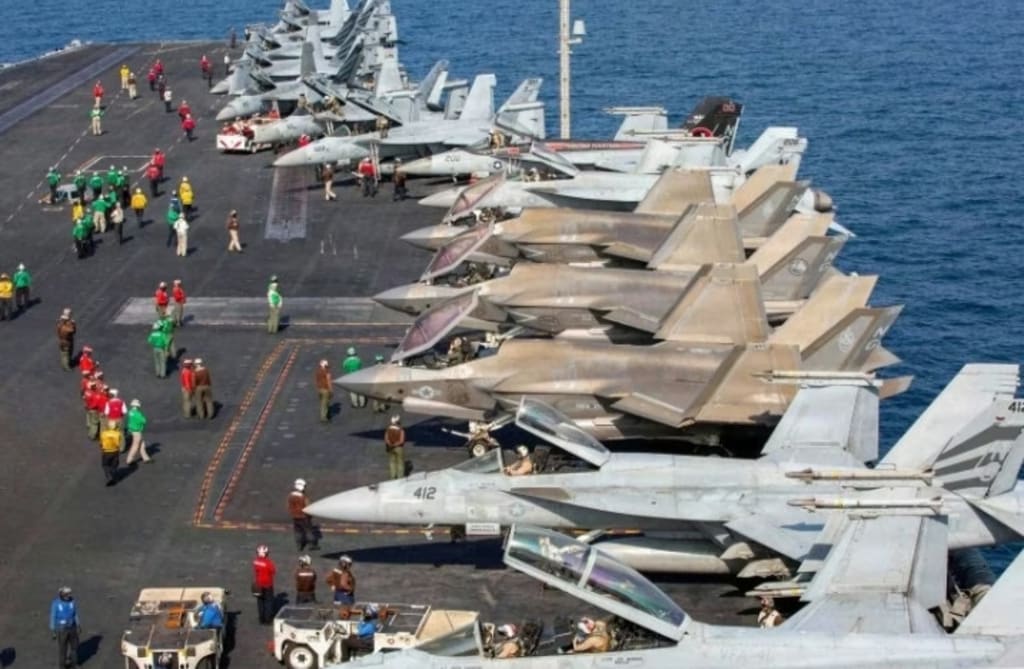
The United States has confirmed that at least three American service members were killed during ongoing military operations involving Iran, according to an official statement from U.S. Central Command (CENTCOM). The announcement marks the first publicly acknowledged U.S. combat deaths since the launch of what officials have described as a high-intensity campaign aimed at degrading Iran’s military capabilities.
Five additional service members were reported seriously wounded, while others sustained minor injuries and have since returned to duty. The identities of the fallen have not yet been released, pending notification of next of kin.
This development signals a sobering shift in what had already become one of the most volatile confrontations between Washington and Tehran in decades.
What Happened?
According to U.S. Central Command, the casualties occurred during active combat operations connected to the broader U.S.–Israeli military campaign widely referred to as “Operation Epic Fury.” The mission has involved airstrikes, naval engagements, and defensive responses to Iranian missile and drone attacks across the region.
While specific operational details surrounding the deaths remain classified, officials indicated that U.S. personnel were targeted during Iranian retaliatory strikes on American positions in the Middle East. Several bases housing U.S. forces have faced repeated missile and drone attacks in recent days.
Military leaders described the situation as “fluid and ongoing,” noting that further updates would be provided as investigations continue.
The Broader Conflict
The casualties come amid a dramatic escalation between the United States, Israel, and Iran. The conflict intensified following coordinated strikes on Iranian military and strategic infrastructure. In response, Iran launched waves of missile and drone attacks targeting U.S. bases and allied facilities throughout the Gulf region.
What initially appeared to be a limited strategic operation quickly expanded into direct exchanges between state militaries. The rapid escalation has heightened fears of a broader regional war — one that could involve multiple Middle Eastern nations and disrupt global security and energy markets.
Unlike previous indirect confrontations or proxy engagements, this phase of the conflict involves direct U.S. military casualties tied to operations against Iranian forces. That distinction carries significant political and strategic implications.
Presidential and Political Response
President Donald Trump acknowledged the deaths in a public statement, expressing condolences to the families of the fallen service members and reaffirming that operations would continue.
The administration has maintained that the campaign is necessary to counter long-standing threats and to protect U.S. personnel and interests in the region. Officials argue that halting operations prematurely could embolden adversaries and destabilize allied governments.
However, news of American fatalities has sparked debate in Washington. Some lawmakers have voiced strong support for the troops and the mission, emphasizing national security priorities. Others have called for clearer objectives, congressional oversight, and renewed diplomatic engagement to prevent further loss of life.
Public reaction appears mixed. While many Americans express solidarity with military families, concerns are growing about the possibility of a prolonged conflict with uncertain outcomes.
Regional Fallout
The deaths occurred amid ongoing Iranian retaliation across the region. Missile interceptions have lit up the night skies over Gulf states, and military installations remain on heightened alert.
Several countries hosting U.S. forces have strengthened security measures, temporarily closed airspace, and coordinated closely with American defense officials. Regional leaders are walking a delicate line — supporting defensive actions while attempting to avoid deeper entanglement.
The situation has also prompted emergency meetings at the United Nations, where global powers are urging restraint and warning against further escalation.
Energy markets have reacted nervously to the instability, underscoring how military conflict in the Gulf can quickly affect the global economy.
The Human Cost
Beyond strategic calculations and geopolitical maneuvering, the confirmed deaths of three U.S. service members underscore the human reality of war.
Each casualty represents a family forever changed. Military officials have emphasized support services for grieving relatives and wounded personnel. Flags at several bases have been lowered to half-staff as units honor their fallen comrades.
Combat fatalities often alter the tone of public discourse. Statistics and military briefings give way to personal stories, hometown memorials, and reminders of the individual sacrifices made by service members.
For many observers, these deaths mark a psychological turning point — transforming what had been viewed as a strategic confrontation into a deeply personal national loss.
What Comes Next?
As operations continue, key questions remain unanswered:
Will further casualties push leaders toward de-escalation?
Can diplomatic channels reopen amid ongoing hostilities?
How long can regional allies sustain heightened alert without broader involvement?
Defense officials have indicated that U.S. forces remain fully engaged and prepared for continued operations. At the same time, international pressure is mounting for both sides to step back from the brink.
The deaths of three American service members serve as a stark reminder that military campaigns carry unpredictable risks. Even limited operations can evolve rapidly into prolonged engagements.
A Defining Moment
The confirmation from U.S. Central Command marks a defining moment in the current crisis. It underscores how swiftly regional tensions can escalate into deadly confrontation.
Whether this moment becomes a catalyst for intensified conflict or renewed diplomacy will depend on decisions made in the coming days and weeks.
For now, the focus remains on honoring those lost, caring for the wounded, and navigating a geopolitical landscape that has become increasingly uncertain.
The human toll has begun — and the world is watching closely.
About the Creator
A Gathering of Evil Bosses
“I’m the queen of chin jutting while I smooth my hair, attacking, insulting, and deflecting to protect my appointer.” “Oh, please, Blondi, my hair is curled, highlighted, and longer than yours. I feature television commercials telling immigrants that we will give them a free plane ride home, and if they voluntarily turn themselves in, they will be allowed to legally apply for re-entry. It runs everywhere, and I look good in it! You can’t compete because of your blond hair. Mine is nicer, and my lips are prettier than yours.”
By Andrea Corwin 15 days ago in The Swamp
Researchers Praise ‘Stunning’ Results of New Prostate Cancer Treatment
In a development that researchers are calling “stunning,” a new prostate cancer treatment has delivered results that could significantly reshape how one of the most common cancers in men is treated. Early data from clinical trials indicate substantial improvements in survival rates and disease progression, prompting cautious optimism across the oncology community.
By Aarif Lashari4 days ago in The Swamp



Comments
There are no comments for this story
Be the first to respond and start the conversation.