
Aid Groups in Gaza and West Bank Thrown Lifeline as Israel Court Pauses Ban Threat
Temporary judicial intervention offers relief to humanitarian organizations amid mounting legal and political pressure
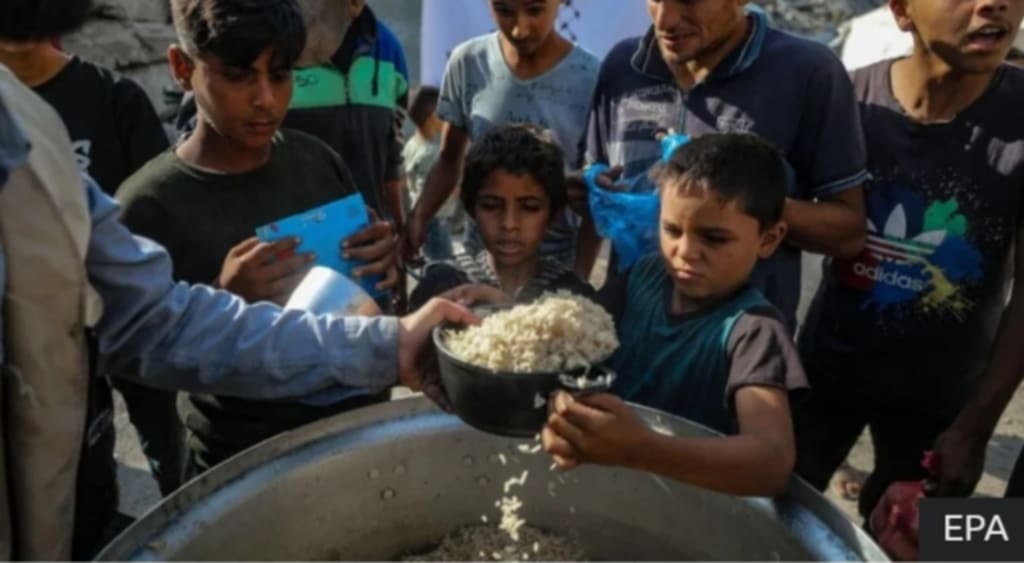
Humanitarian organizations operating in the Palestinian territories received a critical reprieve this week after Israel’s highest court issued a temporary pause on a potential government ban that threatened to severely restrict aid activity in the Gaza Strip and the West Bank.
The decision by the Supreme Court of Israel halts enforcement of proposed restrictions that aid groups warned could cripple their ability to deliver food, medical supplies, and emergency assistance to vulnerable communities. While the pause is temporary, it provides immediate operational breathing room for organizations facing uncertainty in an already volatile humanitarian landscape.
Legal Standoff Over Aid Operations
The legal dispute stems from proposed measures supported by elements within the Government of Israel that would tighten oversight and potentially prohibit certain non-governmental organizations from operating in territories under Israeli control.
Proponents of the measures argue they are necessary for national security, claiming some aid organizations may inadvertently or indirectly facilitate activities deemed hostile. Critics counter that sweeping restrictions would punish civilians and undermine international humanitarian principles.
The court’s decision does not resolve the matter but temporarily freezes implementation pending further hearings. Legal experts describe the move as a procedural safeguard designed to prevent irreversible harm while constitutional and administrative arguments are examined in full.
For aid groups, even a short-term suspension of restrictions can mean the difference between maintaining and dismantling critical supply chains.
Humanitarian Stakes in Gaza
In the Gaza Strip, humanitarian conditions have deteriorated sharply in recent years due to recurring conflict, infrastructure damage, and economic isolation. Access to clean water, electricity, and medical care remains inconsistent, and aid agencies serve as lifelines for hundreds of thousands of residents.
Organizations such as UNRWA and the International Committee of the Red Cross play central roles in delivering essential services, from health clinics to food distribution centers.
Aid officials warned that new legal constraints could have disrupted procurement, staffing, and cross-border coordination. The court’s pause allows ongoing programs to continue without immediate interruption.
“We operate in a context where even minor regulatory shifts can have outsized humanitarian consequences,” one regional aid coordinator said. “The court’s intervention provides temporary stability, but uncertainty remains.”
The West Bank’s Fragile Balance
Conditions in the West Bank, while distinct from Gaza, also rely heavily on humanitarian and development organizations. Aid groups there focus on health services, education support, psychosocial programs, and infrastructure repair in communities affected by movement restrictions and periodic unrest.
Many NGOs operate in partnership with local civil society groups. Proposed regulatory changes raised concerns about licensing requirements, funding transparency mandates, and operational permissions that critics said could function as de facto bans.
Human rights advocates argued that restricting civil society activity could deepen tensions and reduce oversight in already sensitive areas.
The Israeli government maintains that enhanced scrutiny is a matter of lawful governance and security compliance. Officials emphasize that legitimate humanitarian work would not be targeted, though aid leaders have sought clearer assurances.
Court’s Role in a Divided Climate
The Supreme Court’s involvement highlights its central position in mediating contentious national issues. Israel’s judiciary has frequently served as an arbiter in disputes involving security policy, civil liberties, and administrative authority.
In this case, the court determined that immediate enforcement of the proposed measures could create irreversible harm before legal arguments are fully considered. By issuing a pause, the justices signaled the importance of balancing national security concerns with humanitarian obligations and international law.
Legal analysts suggest the case may hinge on questions of proportionality — whether the scope of the proposed restrictions exceeds what is necessary to address security risks.
The hearings are expected to draw attention from domestic political factions and international observers alike.
International Reaction
The temporary reprieve was welcomed by several foreign governments and multilateral bodies. Humanitarian access in the Palestinian territories has long been a focal point of diplomatic dialogue and global advocacy.
International aid organizations stress that neutrality and impartiality remain foundational principles. They argue that access to vulnerable populations must be preserved regardless of political developments.
At the same time, geopolitical tensions complicate the operating environment. Funding streams, donor expectations, and local regulatory compliance intersect in ways that require careful navigation.
The court’s decision may ease immediate diplomatic friction, but broader policy debates over the role of civil society in conflict-affected areas are likely to continue.
Aid Workers on the Ground
For frontline staff, the legal maneuvering translates into daily uncertainty. Program managers must prepare contingency plans, assess supply inventories, and reassure both beneficiaries and donors.
In Gaza, medical providers describe constant pressure on clinics serving patients with chronic conditions and trauma-related injuries. Interruptions in supply chains could have life-threatening consequences.
In the West Bank, community-based organizations rely on predictable regulatory frameworks to maintain operations. Sudden shifts can stall projects, delay payments, and erode trust with local partners.
“The pause gives us time,” one field officer said. “But time is fragile here. We hope for clarity, not just delay.”
Broader Implications
The dispute underscores the delicate interplay between sovereignty, security, and humanitarian access. Governments have legitimate responsibilities to protect citizens and enforce laws. At the same time, international humanitarian norms emphasize the protection of civilians and the facilitation of aid.
How courts balance these competing imperatives often shapes the practical realities on the ground.
Observers note that similar debates have surfaced in other regions facing conflict, where states grapple with regulating NGOs while maintaining compliance with international commitments.
The outcome of this case could influence not only aid operations in Gaza and the West Bank but also broader precedents for civil society regulation within Israel.
A Temporary Lifeline
For now, aid groups continue their work under the court’s protective pause. Trucks still deliver food parcels. Clinics remain open. Social workers continue outreach in communities navigating economic hardship and insecurity.
Whether this lifeline becomes a lasting safeguard or merely a brief intermission depends on the court’s final ruling and subsequent policy decisions.
In a region where legal decisions can ripple through daily life with profound impact, the pause represents more than procedural nuance. It offers a measure of continuity for organizations striving to meet urgent human needs amid one of the world’s most enduring and complex conflicts.
As hearings proceed, humanitarian workers, policymakers, and affected communities will watch closely — aware that the balance between regulation and relief remains as fragile as the conditions they seek to address.
About the Creator
The Saddest Thing - The Billionaires Who Rule America Aren't Even Enjoying Themselves
This single post says more about our ruling class than a thousand policy papers. The saddest thing about today's system is that the men robbing the rest of us - sabotaging our economic prospects, our pensions, our access to affordable healthcare - are not even happy.
By Scott Christenson🌴21 days ago in The Swamp
Trump Touts Third Term.
Trump must be one of the most boastful men on Earth. In his dreams, he probably sees himself as Superman, not unlike that Spitting Image puppet of Ronald Reagan in the 80s, a Genesis video "Land of Confusion" where Reagan rides a Triceratops putting everything right. In the video, Reagan is dressed as Superman and a cowboy. He wakes up next to his wife Nancy and realises it was all an illusional dream. Strange irony, really, as Trump has a picture of Ronald Reagan in the Oval Office. And we know while Trump doesn't literally think he is Reagan come again (although that wouldn't surprise me!), he is certainly an admirer of Reagan.
By Nicholas Bishop3 days ago in The Swamp



Comments
There are no comments for this story
Be the first to respond and start the conversation.