how to
How to cope with your emotions, maintain mental health, deal with life's stressors and help others do the same.
How to Choose the Right Residential Lodge Park in Cornwall
With its breathtaking coastline, peaceful countryside, and slower pace of life, Cornwall has become a dream destination for many looking to escape the hustle and bustle. Whether you're seeking a relaxed retirement, a change of lifestyle, or a sound property investment, residential park lodges in Cornwall offer a unique opportunity.
By Willowbrook Park Homes7 months ago in Psyche
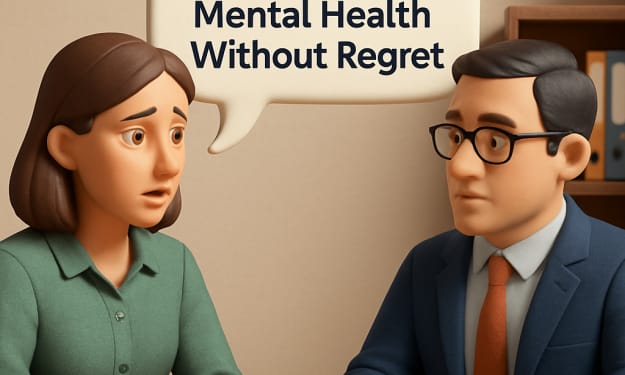
Talking to Your Boss About Your Mental Health Without Regret
The Weight of Silence Mental health challenges don’t take a break just because you’re at work. Whether it’s depression, anxiety, burnout, or a combination of emotional struggles, carrying that silent burden day after day can erode not just your well-being, but your performance, focus, and sense of purpose, too.
By Richard Bailey7 months ago in Psyche
When Getting Out of Bed Feels Impossible: Micro Goals for Mental Health at Work
The Weight of the Morning There are days when the alarm clock feels like an enemy. Your body is still, and your mind is overwhelmed before your feet even touch the floor. The weight of responsibilities, emails, meetings, deadlines, can press down before you’ve even opened your eyes. For those living with depression, anxiety, or burnout, this sensation isn’t just emotional. It’s physical. Getting out of bed doesn’t feel hard, it feels impossible.
By Richard Bailey7 months ago in Psyche
Is a Life Free of Regrets Really What We Should Be Striving For?
The idea that the ideal life lived is one free of regrets is a philosophical position that most of us have been exposed to consistently and regularly from a very early age. It was preached as gospel in books, movies, television, and every other form of mass media by friends, peers, colleagues, presidents, kings, queens, prime ministers, and everyday Joes and Janes. The deathbed speech in which the dying person says “I have no regrets” with a smile on their face, as they take their last breath is a classic and highly cliched example. Basically the idea goes that when we die if we can honestly say that we have no regrets that means we had a good life. That does not imply that we had a perfect life or never made mistakes or only made good decisions. It only means that we recognize that even if some of our choices were less than ideal, we still accept them as a part of life and understand that sometimes what seem like bad choices may lead to good outcomes in unexpected ways. Essentially, that life is unpredictable and that we are fallible beings who don’t always do the right things. We do not regret the bad decisions we made, we accept them as a normal part of life and of being human. Importantly and most critically, if we could go back in time we would not change anything with respect to the decisions we made because ultimately it was the sum total of all those decisions and choices, both good and bad, that led us to where we are today, dying in our deathbeds thankful that we can honestly say we have no regrets.
By Everyday Junglist7 months ago in Psyche