disorder
The spectrum of Mental Health disorders is incredibly vast; we showcase the multitude of conditions that affect mood, thinking and behavior.
My Body Dysmorphia and Social Media
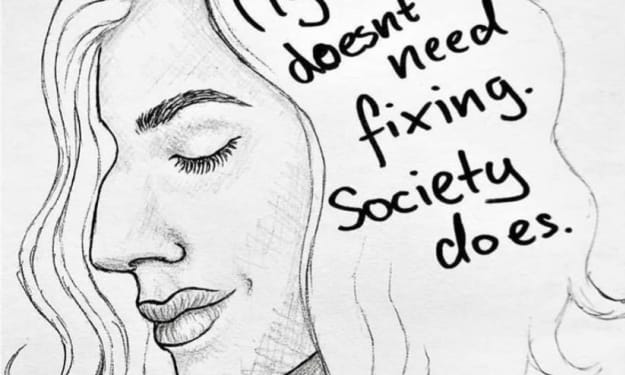
Body insecurity is common among most of us, maybe our shape is something we don't like, it could be our face symmetry or skin issues. For some they can "cope" with their insecurities but for others like me this becomes an obsession and debilitating to their daily lives. Body Dysmorphic Disorder (BDD) is described by the Diagnostic and Statistical Manual of Mental Disorders, fifth edition as a "diagnosis involving distress due to a perceived physical anomaly, such as a scar, the shape or size of a body part, or some other personal feature". OCDaction.org state that "According to the NICE guidelines, it is estimated that approximately 0.5-0.7% of the UK population have BDD. Clinical samples tend to have an equal proportion of men and women across all age groups. In children and young people, body dysmorphic disorder usually has an early-adolescence onset at about age 13. Although symptoms can be found in children as young as 5, it is rare for children under 12 to be diagnosed with BDD. "
By Ruby-Jessica Smith6 years ago in Psyche
By Proxy
A young mother reported her son missing in June of 2001 and she never saw him again. She was walking to the park with her son in her arms. Loosening her arms to let him down and play. He was only two years old at the time, curious about everything and anything that was around him. His name was Liam Cooper, named after his grandfather. The young mother turned around to go get something from her bag and to sit down to watch her son play. That was the biggest regret that she has from that day. She turned back around and Liam was gone. She couldn’t find him anywhere. It was like he was never there, to begin with.
By Natalie C..6 years ago in Psyche
Life with an Invisible Illness
Seven months ago, I was diagnosed with a life-changing illness. No one can tell just by looking at me. No one can tell simply by talking to me. The only way another human being would know about my disorder is if I say it out loud. Unfortunately, this disorder is extremely misunderstood, wrongfully diagnosed, and often overlooked. For years, it was considered a mental illness due to the lack of diagnostic proof available. Many people still believe this, including some doctors. I was lucky enough to be under the care of a physician that took my symptoms seriously. He listened to my concerns and addressed each one to the best of his ability -- his name is Dr. Matthew B. Presson.
By Shaley Speaks6 years ago in Psyche
Obsessive Compulsive Disorder (OCD)
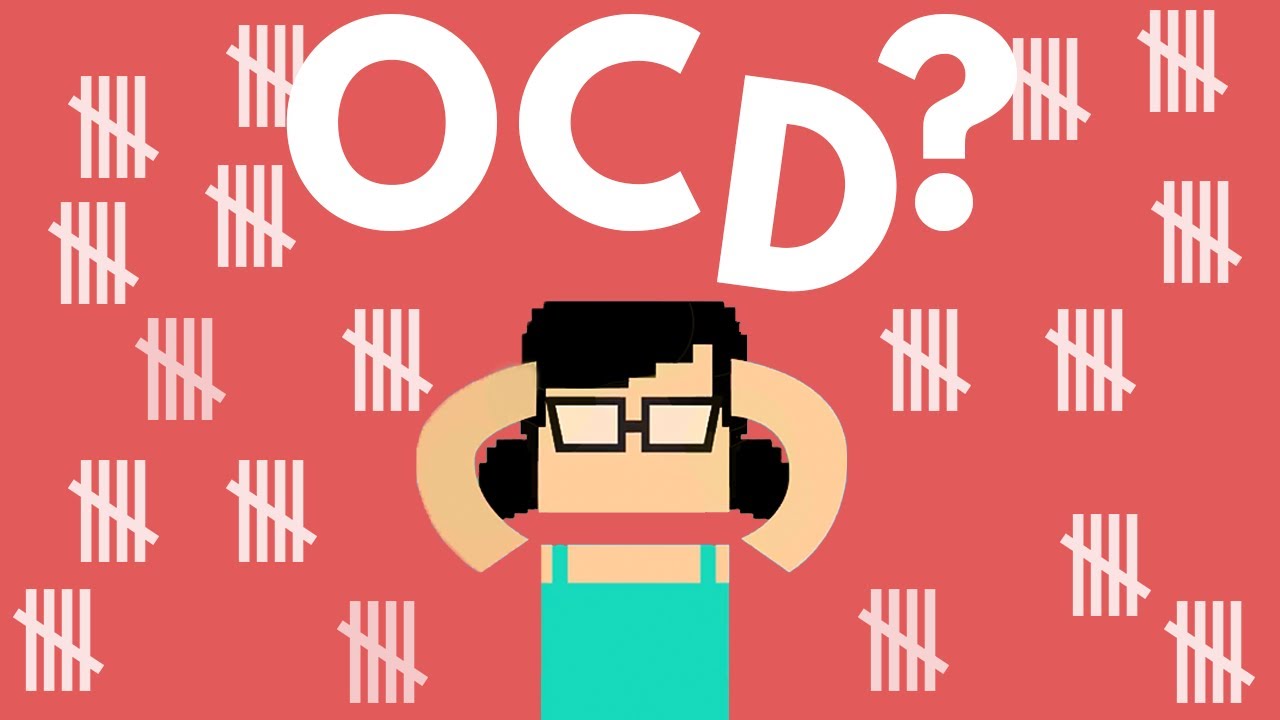
Obsessive Compulsive Disorder is otherwise known as OCD. It is a debilitating mental illness that affects 1 out of 5 people. It is characterized by Intrusive thoughts and compulsive behaviors that are very hard to deal with. The intrusive thoughts are often terrifying for the suffer to experience because the intrusive thoughts cause high levels of anxiety. People with OCD have to perform rituals and compulsions to stop the anxiety temporarily. It's something terrible to experience and something that no one should ever have to go through, yet tons of people around the world experience this mental illness.
By Paige Krause 6 years ago in Psyche
Coronavirus And Obsessive-Compulsive Disorder
N-Acetylcysteine For OCD If you are unfamiliar with N-Acetylcysteine, also known as N-Acetyl Cysteine or NAC, it is a manufactured, slightly altered version of L-Cysteine, an amino acid we derive naturally from our diets and one that can also be produced in the body by the liver. NAC plays an integral role in many body functions and has proven useful in managing the symptoms of obsessive-compulsive disorder (OCD), an anxiety disorder marked by unwanted thoughts that drive compulsive behaviors such as repeated hand washing or other cleansing rituals motived by an intense fear of germs or viruses. Howard Hughes is said to have suffered from OCD. Used for decades to treat other medical conditions, NAC or N-Acetylcysteine for OCD is a new and innovative way to tackle the problem of repetitive behavior compulsions that plague millions of people worldwide. In the United States, OCD is found in 1 percent of the population.
By Marlene Affeld6 years ago in Psyche
READY FOR THE PANIC TO SUBSIDE
I’ve searched for days, years even and there’s still no sign of an on and off switch. There is no big, red easy button than I can push or curtain I can pull to the side to “let the light in”. However, I have met quite a few people throughout my life who say that it’s much simpler than that. According to them, depression is a selfish, trivial thing that can be turned off instantly. Saying “just get over it” as if it’s something that can be easily adjusted based on the situation and that is not true.
By Antoinette Kite6 years ago in Psyche
Dissociative Identity Disorder
I find myself in a situation unusual to most people. Though I am sure some can relate and would like to offer my experiences as I go through this process. I was diagnosed early on with C-PTSD due to childhood trauma. That being said I have become aware that there are symptoms my psychiatrist was not made aware of in the past. As such I am now scheduled for a new appointment to re-evaluate my diagnosis. It scares me that many are not aware or accepting of the diagnosis I may receive. Doing much research on dissociation and PTSD, I find myself more aware of the memory loss I have experienced in the past that I did my best to ignore over the years. I can no longer ignore that as it is now a daily thing due to the stresses of daily life.
By Aurora Wolf6 years ago in Psyche
Jung & The Value of Anxiety Disorders
"I am not altogether pessimistic about neurosis. In many ways we have to say, “Thank heaven he could make up his mind to be neurotic.” Neurosis is really an attempt at self cure…It is an attempt of the self regulating psychic system to restore the balance, in no way different from the function of dreams — only more forceful and drastic.” Carl Jung — The Tavistock Lectures
By Will Russell6 years ago in Psyche
Adapting to a new reality.
T.B.I. is short for Traumatic Brain Injury. Most are under the impression that only those who have served their country get these injuries. However this is far from true. I am 35 and never served. Yet I live with this invisible illness daily. I am writing this to inform and help others like myself understand this injury and also help their loved ones. Having a T.B.I can have a big impact on loved ones, especially significant others.
By Second shot Shea6 years ago in Psyche