
The Evidence No One Asked For
Sometimes the strongest proof is not what you show others, but what you finally accept yourself.

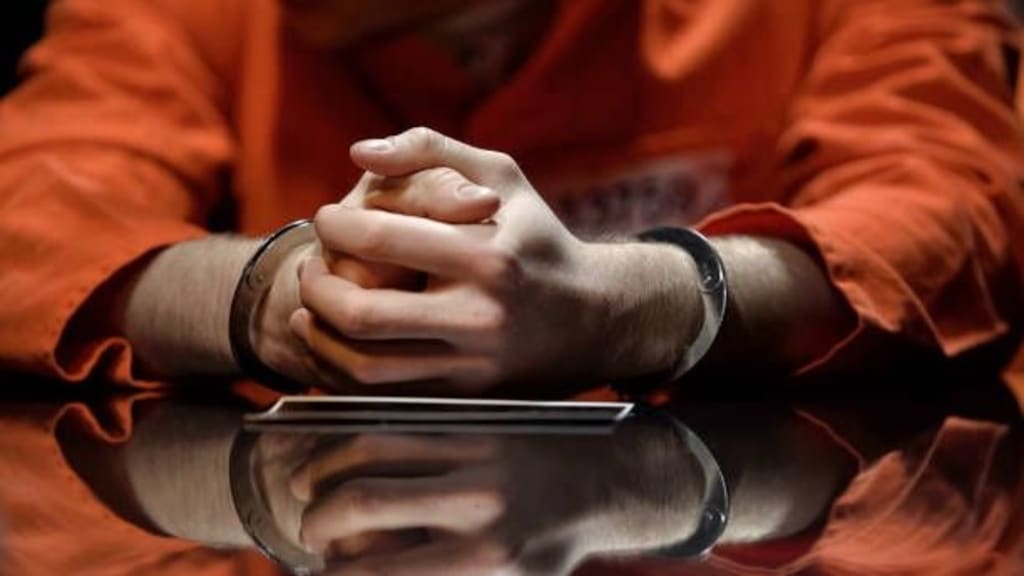
For most of his life, Bilal felt like he was on trial. Not in a courtroom, but in everyday moments—family gatherings, workplace meetings, casual conversations that quietly turned into comparisons. Everyone seemed to be measuring something: income, progress, achievements, timelines. And somehow, Bilal always felt like he was falling short.
He worked hard, but not loudly. He learned slowly, but deeply. Unfortunately, those qualities didn’t translate well in a world that preferred quick results and visible success. When people asked what he was doing with his life, he answered carefully, choosing words that sounded acceptable rather than honest. Inside, a familiar pressure grew: the need to prove himself.
Bilal began collecting evidence
Certificates he barely cared about were framed and hung neatly. Projects he disliked were pursued simply because they looked impressive. He stayed busy, exhausted, and constantly alert—afraid that if he slowed down, someone would question his worth. Even rest felt undeserved unless it followed visible productivity.
At first, the approval felt good. Compliments silenced doubt temporarily. Nods of acknowledgment reassured him that he was “on track.” But the relief never lasted. Each achievement reset the standard higher, demanding new proof, new validation, new performance.
One evening, after a long day, Bilal sat alone scrolling through old photos on his phone. Graduation pictures. Smiling group shots. Award ceremonies. From the outside, the story looked successful. Yet he felt disconnected from the person in those images, as if he had been playing a role written by someone else.
That night, he asked himself a question he had been avoiding: What am I actually trying to prove—and to whom?
The answer unsettled him.
He wasn’t proving his capability. He was proving his right to exist without criticism.
The realization didn’t arrive with relief. It arrived with discomfort. Bilal saw how much of his energy had gone into building a case against imagined accusations. He had been responding to judgments no one had formally made, living defensively instead of deliberately.
The next day, something small but meaningful happened. During a meeting, Bilal was asked to take on an additional task—one that would earn praise but drain him completely. For the first time, he paused. He explained calmly that he couldn’t commit without sacrificing quality elsewhere.
The room went quiet.
No argument followed. No judgment. The world didn’t collapse. The task moved on to someone else.
Bilal felt strange—not triumphant, not guilty—but free.
That moment changed how he approached everything. He stopped volunteering for validation. He stopped explaining his choices excessively. He let silence exist where justification used to be.
People noticed the change. Some respected it. Some didn’t. Bilal learned that disapproval didn’t automatically mean failure. Sometimes, it simply meant boundaries.
Slowly, he began redefining proof. Proof wasn’t a certificate—it was consistency. Proof wasn’t applause—it was alignment. Proof wasn’t being busy—it was being honest about capacity.
He started pursuing interests without worrying how they looked from the outside. Reading without purpose. Learning without urgency. Working with intention instead of fear. The need to document every achievement faded.
One afternoon, Bilal visited a family gathering he once dreaded. The familiar questions surfaced. This time, he answered simply, without decoration. Some nodded. Some looked unimpressed. And for the first time, it didn’t matter.
Driving home, Bilal realized something profound: the evidence he had been collecting was never meant for others. It was meant to convince himself that he was enough.
And once he stopped arguing that case, he didn’t need proof anymore.
Because the strongest proof of growth isn’t what you show the world.
It’s the moment you stop needing permission to live your life honestly.
About the Creator
Sudais Zakwan
Sudais Zakwan – Storyteller of Emotions
Sudais Zakwan is a passionate story writer known for crafting emotionally rich and thought-provoking stories that resonate with readers of all ages. With a unique voice and creative flair.
Keep reading
More stories from Sudais Zakwan and writers in Proof and other communities.
The Medal That Wasn’t for Show
Sara had always been competitive. In school, at sports, and even in small games with friends, she wanted to win. But over time, she realized that winning did not always make her proud. Sometimes, winning felt empty, especially when she focused only on results.
By Sudais Zakwan3 days ago in Proof
Ultimate Tailgate Cocktails for Your Sports Party
Tailgating is an art, a ritual that transforms parking lots and backyards into the ultimate sports party zones. When the game day excitement is high, your drinks should match that energy — easy to make, crowd-pleasing, and perfect for sharing with your crew. Whether you’re cheering for the home team or just there for the fun, these cocktails bring the spirit alive.
By Ava Mitchell4 days ago in Proof
Carnival Cocktails: Sweet and Fun Drinks for Your Party Treats
When it comes to throwing a party that sparkles with fun and flavor, carnival cocktails are your best friends. These drinks are vibrant, sweet, and bursting with playful energy — just like a carnival itself. They mix bright colors, fruity notes, and a touch of whimsy to keep your guests smiling all night long.
By Sofia Mertinezz7 days ago in Proof
The Lesions of Devotion
Every day I set myself down on the freshly cut lawn and strip myself bare. I take my guitar and finger the frets and pick at the strings, listening for dissonance. My life is dissonance. I twist the tuning pegs until each string sounds bright. Then I kneel, calves pointing behind me, kneecaps facing forward. All exposed to the breeze. I close my eyes and play the melody.
By Paul Stewart4 days ago in Fiction




Comments
There are no comments for this story
Be the first to respond and start the conversation.