History
Postmortem
Jonathan wrestled to free a rubber-banded wad from his cubbyhole mailbox and in the process scraped his thumb against the aluminum plating. He sucked on the scarlet smear, shook off the pain, then proceeded to sort through correspondence next to the junk mail bin.
By Jobert Abueva5 years ago in Pride
LGBTQ+ Music is History
This month marks the 51st anniversary of the first Pride march. That's true. But we didn't start living authentically in 1970. We started that long before there were protests that blanketed the streets of New York City. As a matter of fact, three years before Stonewall, a riot in San Francisco led by trans women and drag queens erupted at Compton's Cafeteria in response to constant police violent against the community.
By Jordan Reeves5 years ago in Pride
Being Gay in Ancient Greece and Rome. Top Story - June 2021.
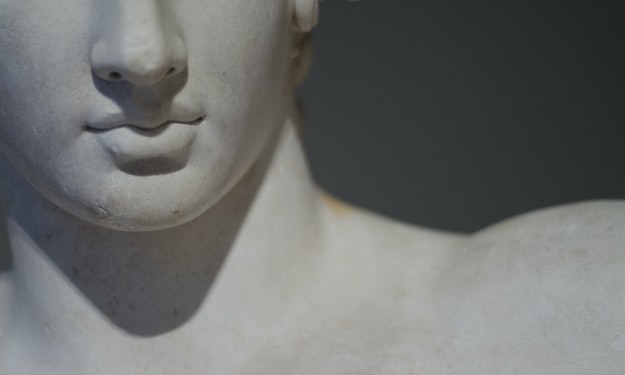
The Ancient Greeks and Romans had very different ideas of sexuality and gender than we do today. Bisexuality was considered the natural state for men in the Ancient World, and male homosexuality was also accepted. Unfortunately, we know very little about queer women in Ancient Greece and Rome—female queerness was mostly ignored by Greco-Roman society, except in Lesbos and Sparta. As for gender, the Greeks and Romans had some concept of a third sex and transgender priestesses were common in certain cults such as that of Cybele. However, unfortunately, just as with lesbians, we have few examples of real life trans people in Ancient Greece and Rome. Our ancient texts are awash with prominent bisexual and gay men, but unfortunately very few queer women or trans people. But here is a very incomplete list of 10 Ancient Greek and Roman LGBTQIA+ figures you need to know about.
By A. Walter Cox5 years ago in Pride
For Muxes, Every Month Is Pride Month. Top Story - June 2019.
In Mexico, down in the southern state of Oaxaca, muxes, pronounced MOO-shays, celebrate and honor their LGBTQ+ identities during and beyond Pride Month, and have done so since pre-colonial times. Assigned male at birth, muxes are distinctively identified as a 'third gender' amongst the Zapotec indigenous communities of Oaxaca. Muxes not only embody female physical traits and attributes, they assume familial and communal roles and responsibilities typically reserved for those assigned female at birth.
By Jose Antonio Soto7 years ago in Pride