
Is Pedro Pascal Gay
Is Pedro Pascal Gay? Privacy, Performance, and the Price of Public Fascination


The question “Is Pedro Pascal gay?” is a persistent fixture in online searches and fan discussions. It’s a query that, on its surface, seeks a simple label for a complex individual. Yet, the reality of the answer and the cultural forces that fuel the question reveals far more about our relationship with celebrity, sexuality, and the right to privacy in the digital age than it does about Pascal himself.
To state the known facts clearly: Pedro Pascal has never publicly labeled his sexuality. In interviews, he has consistently, gracefully declined to categorize himself, emphasizing a preference for privacy regarding his romantic life. He is not openly gay, nor has he stated he is straight. He exists, publicly, in a space of deliberate ambiguity. Therefore, any definitive claim about his sexuality is speculative.
The more compelling story lies in why this question captivates the public, and what Pascal’s handling of it signifies in modern Hollywood.
The Roots of Speculation: Character, Aesthetics, and Allyship
Speculation doesn’t arise in a vacuum. Several facets of Pascal’s public persona contribute to the public’s curiosity:
His Groundbreaking Roles: Pascal has built a career on playing layered, emotionally intelligent, and often non-traditional masculine figures. From the charmingly vulnerable Oberyn Martell in Game of Thrones (a bisexual character whose sexuality was portrayed with refreshing matter-of-factness) to the gritty but profoundly caring Joel Miller in The Last of Us and the gender-fluid Mando in The Mandalorian, his characters often subvert the stoic, hyper-heterosexual action hero archetype. This artistic alignment with queer and queer-coded narratives leads fans to project that sensibility onto the actor.
His Unwavering Allyship: Pascal is not an ally in name only. He is a vocal, consistent, and deeply personal advocate for the LGBTQ+ community. He speaks movingly of his transgender sister, Lux, and her influence on his life. He uses his platform to champion queer rights, celebrate queer artists, and call out discrimination. This profound, lived allyship resonates powerfully, creating a sense of kinship that feels more intimate than typical celebrity support.
His Aesthetic and Demeanor: In a world of rigid gender presentation, Pascal’s style often incorporating elements like statement jewelry, floral prints, and a fluid approach to fashion is read by many as queer-coded. Combined with his quick wit, emotional expressiveness in interviews, and lack of performative “bro” masculinity, he presents a version of manhood that exists outside narrow, traditional boxes. In the absence of a stated label, the public, trained to decode such cues, attempts to fill in the blank.
The Double-Edged Sword of the “Gay Icon”
Pedro Pascal has undeniably achieved “Gay Icon” status. This is a cultural honorific bestowed by the LGBTQ+ community upon figures regardless of their own sexuality who resonate deeply through their art, advocacy, and persona. It’s a testament to trust and admiration.
However, this status often comes with an unspoken pressure: the expectation of a public coming-out narrative. For a community whose history is marked by the courage of visibility, seeing a beloved, apparently allied figure benefit from queer admiration while maintaining privacy can create a complex dynamic. The speculation, then, is sometimes less about gossip and more about a desire for solidarity through shared identity a hope that an icon is also, in a literal sense, one of “us.”
Pascal’s Masterclass in Boundary-Setting
How Pascal handles the relentless curiosity is a masterclass in maintaining personal sovereignty. He has never expressed anger or homophobic panic at the question. Instead, his responses are characterized by warmth, humor, and an elegant upholding of his boundaries.
He Focuses on the Work: He routinely redirects conversations about his personal life back to his projects, his co-stars, and the themes of the stories he helps tell.
He Emphasizes Family: He speaks openly and lovingly about his sister and his role as an uncle, defining his core relationships on his own terms.
He Wields Humor: In a now-famous interaction on the Wired Autocomplete Interview, when asked “Is Pedro Pascal gay?” he smiled and simply said, “That’s none of your business.” The delivery was playful, but the message was firm and instantly iconic.
This approach does crucial work: it refuses to validate the idea that his sexuality is public property, while also refusing to imply that being thought gay would be an insult. He protects his privacy without compromising his allyship.
The Bigger Picture: Why Must We Know?
The intense focus on “Is Pedro Pascal gay?” forces a necessary societal question: Why is a public figure’s private sexual orientation treated as a matter of public record?
This fixation stems from a mix of genuine LGBTQ+ representation hunger, ingrained cultural obsession with celebrity personal lives, and the outdated but persistent belief that ambiguity is a puzzle to be solved. It reflects a world where one’s identity is expected to be a curated, consumable product.
Pascal’s choice to opt out of this paradigm is itself a powerful, quiet statement. It asserts that an artist’s value and an ally’s sincerity are not contingent on a personal label. It suggests that the most profound support can come from actions and advocacy, not just identity. And it champions the radical notion that in an oversharing age, some things can remain sacred, personal, and wonderfully mysterious.
Conclusion: Respecting the Mystery
Ultimately, the answer to “Is Pedro Pascal gay?” is known only to Pedro Pascal and those he chooses to trust with that information. The truth of his personal life is irrelevant to the quality of his performances, the depth of his allyship, or the joy he brings to his fans.
His enduring appeal lies precisely in this blend of radical openness in his artistry and advocacy, with a firm, dignified closure around his private self. He offers the public everything that matters talent, heart, and principle while reminding us that some boundaries are both healthy and deserved.
In a culture desperate to categorize, Pedro Pascal’s legacy may well be that of a man who demonstrated that the most interesting thing about a person isn’t always the label we can give them, but the humanity we can see in them and that some mysteries are meant to be respected, not solved. Perhaps the most progressive stance is not to demand a label, but to champion the right not to have one.
About the Creator
David Femboy
David here. Sharing my authentic femboy journey the outfits, the lessons, the life. For anyone exploring gender expression. Let’s redefine masculinity together. 💖
Keep reading
More stories from David Femboy and writers in Pride and other communities.
Is Vin Diesel Gay
The persistent question, “Is Vin Diesel gay?” floats through celebrity gossip forums and search engines with surprising regularity. It’s a query that reveals less about Vin Diesel himself who has consistently identified as straight and has been in a long-term relationship with his partner, Paloma Jiménez and more about our collective fascination with the gap between a carefully crafted public image and the private reality of a star’s life.
By David Femboyabout 23 hours ago in Pride
The Pride Flag and the Diversion
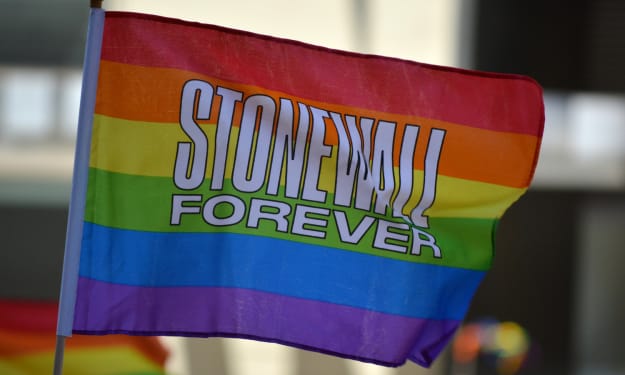
For nearly a decade, the LGBTQIA Pride Flag rippled in the wind at Christopher Park, a kaleidoscope of color staked into the soil of America’s first national monument to LGBTQIA+ liberation. That flag came down this week. Federal officials, citing new guidance from the Trump Administration, silently lowered the rainbow flag from its pole across the street from the Stonewall Inn. The birthplace of the modern gay rights movement now flies only the United States flag.
By Tim Carmichaelabout 17 hours ago in Pride
Once Upon A VHS Podcast
The Once Upon A VHS Podcast is billed as a queer and never-ending quest through the fantasy films of the 80s & 90s, and all the memories and feelings they conjure up. From animated adventures and sword and sorcery epics to magical romcoms and fairytale horror, the creators/hosts, Michael and Callum, will journey through the big blockbusters and cult classics.
By Frank Racioppi6 days ago in Pride



Comments
There are no comments for this story
Be the first to respond and start the conversation.