
Bigender VS Genderfluid
Bigender vs Genderfluid: Key Differences in Non-Binary Identities

In the rich and varied landscape of gender identity, language serves as a vital tool for self-understanding and expression. Among the many terms that have emerged to describe experiences beyond the binary, bigender and genderfluid represent two distinct yet sometimes confused identities. While both fall under the non-binary umbrella, they describe different ways of experiencing gender.
Understanding the difference between these identities isn't about creating rigid categories it's about honoring the nuanced ways people understand themselves and finding language that fits. Let's explore what makes each identity unique and how they relate to one another.
What Does It Mean to Be Non-Binary?
Before diving into specific identities, it helps to understand the broader context. Non-binary is an umbrella term for anyone whose gender identity doesn't fit exclusively into the categories of "man" or "woman." Some non-binary people experience gender as a fixed point outside the binary. Others experience gender as something that shifts, combines, or transcends traditional categories entirely.

Both bigender and genderfluid identities exist under this non-binary umbrella, along with many others like agender, demigender, and pangender. What unites them is a shared experience of gender that can't be fully described by "man" or "woman" alone.
Defining Bigender
Bigender describes a person who experiences two distinct gender identities, either simultaneously or alternating. The prefix "bi-" means two, indicating that two genders are present in the individual's internal experience.
Key aspects of bigender identity include:
Two genders, however defined: The two genders a bigender person experiences might be man and woman, but they could also be man and non-binary, woman and agender, or any other combination. The key is the presence of two distinct gender identities.
Simultaneous or alternating experience: Some bigender people feel both genders at the same time a dual awareness that both identities are present. Others experience their genders in alternation, shifting between one and the other at different times. Both experiences fall under the bigender umbrella.
Consistency in duality: Regardless of whether the experience is simultaneous or alternating, the underlying reality is that two genders exist within the person's identity. This duality is a stable aspect of who they are.
Individual expression: How a bigender person expresses themselves may reflect one gender, both genders, or something entirely unique. Some may present differently on different days. Others may blend masculine and feminine elements consistently. There's no single "right way" to be bigender.
Defining Genderfluid
Genderfluid describes a person whose gender identity changes over time. The prefix "fluid" captures the flowing, shifting nature of this experience—gender isn't fixed but moves, sometimes gradually, sometimes suddenly.
Key aspects of genderfluid identity include:
Movement between genders: A genderfluid person's identity may shift between man, woman, both, neither, or any other gender identity. The specific destinations vary from person to person.
No fixed number of genders: Unlike bigender, which specifically involves two genders, genderfluid identity can involve any number of gender experiences. Some genderfluid people move between two primary genders; others experience a wider range.
Variable timing: The rhythm of change differs for everyone. Some genderfluid people experience shifts daily. Others shift weekly, monthly, or in response to circumstances. There's no schedule to follow—only each person's individual experience.
The constant is change: What defines genderfluid identity is not which genders are experienced, but the fact that gender itself is experienced as fluid and changing. Movement is the constant, even if the destinations vary.
Key Differences at a Glance
To help visualize the distinction:
Aspect Bigender Genderfluid
Number of genders Two distinct genders Can be any number (two or more)
Nature of experience Duality—two genders present Fluidity—gender changes over time

Stability The duality itself is stable Change is the constant
Possible experience May feel both simultaneously or alternate Gender shifts from one to another
Relationship to time Both genders exist in the person's identity Gender changes across time
Where Overlap Occurs
It's important to recognize that some individuals identify as both bigender and genderfluid. This might describe someone who experiences two genders but experiences them fluidly shifting between them over time while never experiencing more than those two.

For example, a person might feel like a man some days and a woman other days, never experiencing both simultaneously and never experiencing other genders. This person could accurately describe themselves as bigender (two genders) and genderfluid (shifting between them).
This overlap highlights an important truth: identity labels are tools for self-description, not rigid boxes. People choose the language that best communicates their experience, and sometimes multiple terms together tell the full story.
Common Misunderstandings
Several misconceptions frequently arise in discussions of these identities:
"Bigender is just another word for genderfluid." Not exactly. While some bigender people experience fluidity, the core of bigender is the presence of two genders. The core of genderfluid is change itself. They're related but distinct concepts.

"Genderfluid people are confused." This misconception pathologizes what is simply a different way of experiencing gender. Genderfluid individuals aren't uncertain about their identity they're describing it accurately as something that changes.
"Bigender people are just playing with gender." For bigender individuals, having two genders isn't a choice or performance. It's a fundamental aspect of how they experience themselves, as real and innate as anyone else's gender identity.
"You can't be both." As noted above, some people find that both terms accurately describe aspects of their experience. Identity is personal, and individuals are the ultimate authorities on their own lives.
The Experience of Living with These Identities
What does it actually feel like to be bigender or genderfluid? While experiences vary widely, some common themes emerge.
Bigender Experiences
For many bigender people, the experience involves a constant awareness of both genders. One person might describe it as having "two channels" running simultaneously feeling both masculine and feminine at once, with neither canceling the other out.
Another might experience their genders as separate compartments, with one more prominent at certain times but the other always present in the background. The feeling might be like having two selves that coexist, each valid and real.
Some bigender people navigate their expression carefully, finding ways to honor both aspects of themselves. This might mean dressing in ways that blend masculine and feminine elements, or it might mean presenting differently in different contexts. The goal is authenticity, not conformity to external expectations.
Genderfluid Experiences
Genderfluid individuals often describe their experience in terms of change and discovery. One day might bring a clear sense of masculinity; another day might feel feminine or non-binary. The shift can be gradual or sudden, predictable or surprising.

Some genderfluid people experience physical sensations along with identity shifts changes in how they want to be seen, touched, or addressed. Others experience primarily emotional or psychological shifts. The body might feel differently on different days, aligning with whichever gender is present.
For many genderfluid people, the experience requires flexibility in self-presentation. A wardrobe that accommodates different gender expressions becomes essential. Relationships require communication about changing needs and preferences. The inner world is dynamic, and outer life must adapt.
Social and Practical Considerations
Living as bigender or genderfluid in a world built on binary assumptions presents unique challenges.
Pronouns: Both bigender and genderfluid individuals may use different pronouns at different times, or they may use they/them pronouns consistently regardless of current gender. Some use multiple pronoun sets and welcome others rotating between them. Communication about pronouns is an ongoing process, not a one-time conversation.

Names: Some individuals choose a single name that feels right regardless of gender. Others use different names for different gender experiences, or choose a gender-neutral name that works across their identity.
Passing and visibility: Both bigender and genderfluid people may find that their appearance doesn't consistently signal their identity to others. This can lead to frequent coming out, misgendering, or the need for explicit communication about identity.
Documentation: Legal documents typically require a binary gender marker, forcing individuals to choose a single option that may never fully represent them. This creates ongoing tension between official identity and lived experience.
Community: Finding others with similar experiences can be profoundly validating. Online communities, local LGBTQ+ groups, and Pride events offer opportunities for connection and shared understanding.

Supporting Bigender and Genderfluid Individuals
Whether you're exploring your own identity or seeking to support someone else, several principles are helpful:
Believe people about their own experience. When someone tells you they're bigender or genderfluid, they're sharing something real and important about themselves. Trust that they know themselves best.
Use correct pronouns and names. This is fundamental respect. If someone's pronouns change, do your best to adapt. Apologize briefly when you make mistakes, correct yourself, and move on—don't make your guilt the focus.
Avoid assumptions. Don't assume you know someone's current gender based on their appearance. When in doubt, ask gently or use gender-neutral language.
Educate yourself. The responsibility for learning shouldn't fall entirely on the people already doing the work of living their identities. Read, listen, and learn from available resources.

Create inclusive spaces. Use gender-neutral language in groups, offer pronouns options on forms, and challenge binary assumptions when you encounter them.
The Beauty of Diversity
The existence of identities like bigender and genderfluid enriches our collective understanding of what it means to be human. They remind us that gender isn't a simple binary but a vast landscape of possibility. They challenge us to think more deeply, listen more carefully, and love more expansively.
For those who identify this way, finding language for their experience can be profoundly liberating. The words "bigender" or "genderfluid" might arrive like a gift finally, a way to describe what they've always known about themselves but couldn't articulate. This naming opens doors to community, self-acceptance, and authentic living.
Conclusion: Two Paths, Both Valid
Bigender and genderfluid represent two distinct ways of experiencing gender beyond the binary. Bigender involves the presence of two genders, whether simultaneous or alternating. Genderfluid involves gender that changes over time, potentially moving among many possibilities. Both are real, both are valid, and both deserve recognition and respect.

Some people fit neatly into one category. Others find that both terms speak to aspects of their experience. Still others use different language entirely. The goal isn't to classify everyone into the right box—it's to provide language that helps people understand themselves and be understood by others.
In the end, what matters most is that every person has the freedom to explore, name, and express their gender in ways that feel authentic. Whether bigender, genderfluid, both, or something else entirely, each person's journey is their own. Our role is to listen, learn, and create a world where all identities can flourish.
About the Creator
David Femboy
David here. Sharing my authentic femboy journey the outfits, the lessons, the life. For anyone exploring gender expression. Let’s redefine masculinity together. 💖
Keep reading
More stories from David Femboy and writers in Pride and other communities.
Do Transgender Men Have Periods
The relationship between transgender men and menstruation is a topic that touches on biology, identity, and personal experience in deeply meaningful ways. For many, the answer isn't as simple as a yes or no it's a nuanced reality that varies from person to person based on individual circumstances, medical transitions, and personal choices.
By David Femboyabout 8 hours ago in Pride
The Pride Flag and the Diversion
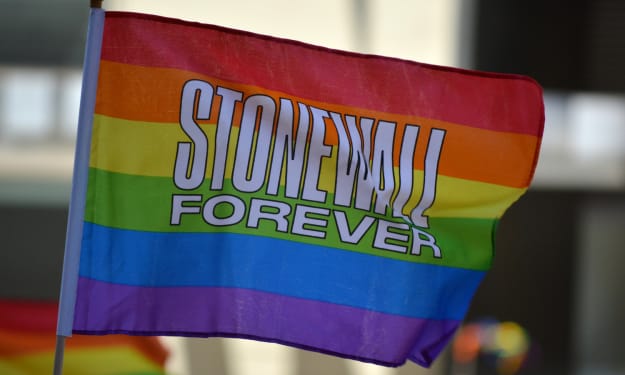
For nearly a decade, the LGBTQIA Pride Flag rippled in the wind at Christopher Park, a kaleidoscope of color staked into the soil of America’s first national monument to LGBTQIA+ liberation. That flag came down this week. Federal officials, citing new guidance from the Trump Administration, silently lowered the rainbow flag from its pole across the street from the Stonewall Inn. The birthplace of the modern gay rights movement now flies only the United States flag.
By Tim Carmichael3 days ago in Pride



Comments
There are no comments for this story
Be the first to respond and start the conversation.