
How To Keep Your Hair Replacement System Looking Fresh
What I learned about maintenance, masculinity, and self-respect after choosing to wear my hair again

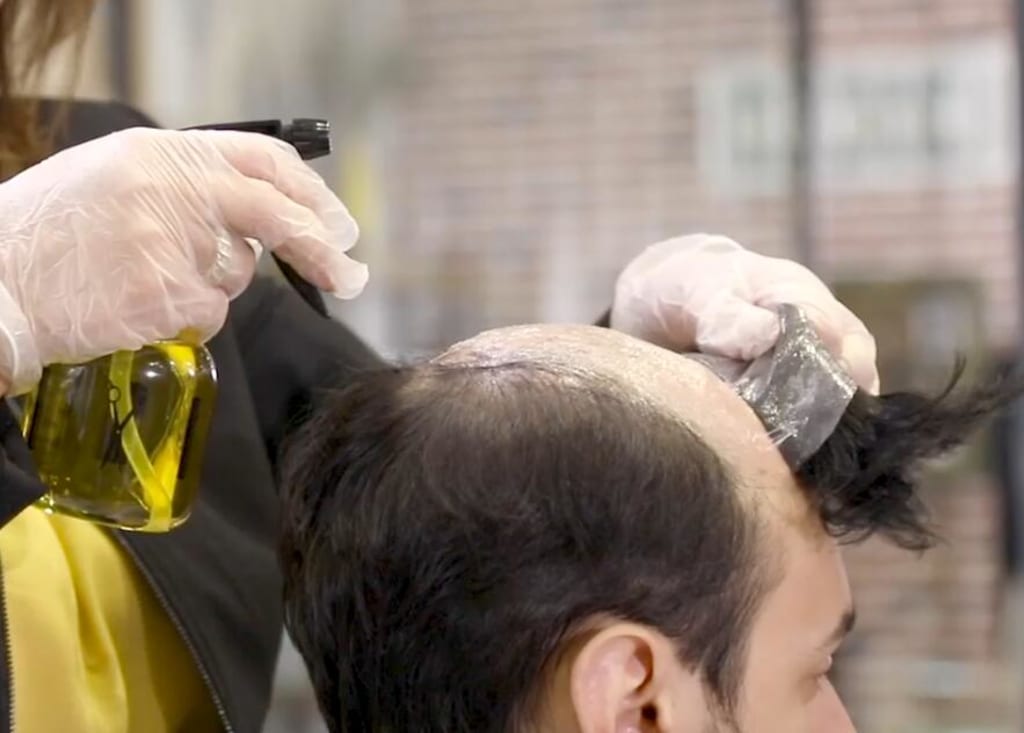
I didn’t think I would become the kind of man who schedules his life around his hair.
But I also didn’t think I would start losing it before I turned thirty.
At first, it was just the temples. Then the crown. Then the slow, humiliating realization under bathroom lighting that my reflection looked older than I felt. Hair isn’t just decoration. It’s posture. It’s presence. It’s the way you walk into a room without thinking about it.
When I finally chose to wear a hair system, it wasn’t about vanity. It was about reclaiming something quiet and essential inside me. Confidence. Ease. The ability to stop scanning every mirror for damage.
But here’s the part no one tells you:
Getting a hair system is the beginning.
Keeping it alive is the real commitment.
I once read on the Lordhair blog:
“Investment in a hair system is only the beginning; consistent maintenance is the key to ensuring its longevity and your ongoing satisfaction.”
At the time, it sounded like marketing copy.
Now I know it’s survival advice.
1. Washing Isn’t Washing Anymore
Natural hair lives. It feeds off your scalp’s oils. It repairs, slowly, imperfectly.
A hair system doesn’t.
The first time I used my regular drugstore shampoo, I didn’t think twice. It smelled clean. It foamed aggressively. It felt “powerful.”
Two weeks later, my hair system felt like straw.
Here’s what I learned: sulfates strip everything. And because system hair doesn’t receive sebum from a living follicle, once you strip it, there’s no biological backup plan. No oil production. No recovery cycle. Just dryness.
Now I treat washing like chemistry, not hygiene.
Sulfate-free only.
Keratin-rich formulas.
Oils that replenish what biology no longer provides.
I emulsify shampoo in my hands first. I never scratch with my nails. The base — whether lace or poly — is architecture. You don’t attack architecture.
And water temperature? Lukewarm. Always.
Hot water doesn’t just dry hair — it can slightly expand the base material and weaken adhesive bonds. I learned that the hard way when my hairline lifted early after a “relaxing” hot shower.
Relaxing for who?
Now I pat dry with a microfiber towel or an old cotton T-shirt. No aggressive rubbing. No high-heat blow-drying. If I use heat at all, it’s minimal.
Because heat is a silent destroyer.
2. The Sun Is Not Your Friend
I used to love being outside. Long walks. Summer afternoons. No hat.
Then I noticed something strange. My hair was turning… warmer. Slightly brassy. Almost orange in certain light.
That wasn’t imagination.
UV rays oxidize hair. They act like a slow bleaching agent. Real hair can sometimes compensate. System hair cannot. Once oxidized, the color shifts permanently.
It’s like sunscreen — but for your head.
Now I wear hats without shame. I use UV-protectant sprays. In summer, I focus on sweat management to avoid odor buildup. In winter, I use leave-in conditioners because cold air plus indoor heating equals brittle fibers and static chaos.
Humidity matters more than people realize.
In dry environments, hair loses elasticity. It snaps more easily. I even started using a small humidifier at home during winter. Not because it’s luxurious — but because elasticity is survival.
Hair, it turns out, is physics.
3. Heat Is a Gamble
High heat styling is seductive. Crisp lines. Sharp finishes. Control.
But there’s something called “bubble hair.” I wish I’d known that earlier.
When damp hair is exposed to high heat, trapped water inside the shaft can literally boil and rupture through the cuticle. The damage is irreversible. Frizz that won’t smooth. Ends that won’t behave.
Now I let hair air-dry whenever possible. If I must style:
Heat protectant first.
Lowest effective setting.
Never pass over the same section repeatedly.
Control is not dominance. Control is restraint.
4. Friction Is the Quiet Enemy
No one talks about sleep.
But eight hours of tossing on cotton pillowcases creates mechanical friction. That friction leads to matting. Tangling. Shedding over time.
I switched to silk pillowcases. Not for luxury — for science. Silk and satin reduce surface drag. Less friction equals fewer knots. Fewer knots mean less aggressive brushing. Less brushing means less stress on the base.
Morning and night, I detangle gently with a wide-tooth comb, starting from the ends. Always the ends first.
And when I remove my system, I never leave it flat on a counter.
Structure has memory.
A mannequin head or proper stand preserves the curvature of the base. If you store it flat, you slowly distort that memory. And when you reapply it, the fit feels… off.
These are small things. Until they aren’t.
5. Maintenance Is Also About Skin
It’s easy to focus only on the hair.
But the scalp underneath is alive.
Adhesive buildup. Oil accumulation. Dead skin. Without regular deep cleaning, irritation starts. Inflammation. Even folliculitis — inflamed follicles that make wearing uncomfortable.
Professional servicing changed everything for me.
Deep cleansing. Adhesive removal. Scalp exfoliation. Reset.
It’s calibration, not vanity.
And swimming? Chlorine and saltwater are ruthless. I either wear a swim cap or rinse immediately with fresh water and follow with hydration treatment. No exceptions.
This Isn’t About Hair
Not really.
It’s about ritual.
When I first started wearing a hair system, I thought maintenance would feel like a burden. Instead, it became grounding. Intentional. A daily reminder that confidence isn’t installed — it’s maintained.
Caring for it doesn’t feel like a chore anymore. It feels like partnership.
Hair may not define who we are.
But how we care for ourselves — especially after something fragile has been restored — that says everything.
And I’m not giving that up.
About the Creator
Leo
Passionate men's hairstylist with a keen eye for detail and a knack for creating on-trend looks. Dedicated to delivering hair restoration education that enhances individual style.
How Can I Stop Receding Hairline
The first time I noticed it, I thought it was the lighting. I was seventeen, standing in the bathroom before school, pushing my hair back the way I always did. The corners at my temples looked… different. Slightly higher. Slightly thinner.
By Emma Smith2 days ago in Potent
A Day Off
I haven’t had a day off since the early 2000’s. I am so tired and weary. Actually, I am disgusted. Not having a break in more than 25 years is maddening. Day in and day out, the same thing, constant aggravation, and misery and surrounded by angry people, takes a toll. I feel like I am on the turnpike of no return, and the toll cost is higher than it should be, or I can afford..
By Alexandra Grant3 days ago in Potent
Winterthorne
Winterthorne stood alone at the edge of the park. The beautiful snow that had surrounded him was all trampled now, from the feet of all of the children who had built him. He missed the sparkly clean snow blanket, but he was happy that so many children had come out to make him.
By Laura DePace6 days ago in Fiction




Comments
There are no comments for this story
Be the first to respond and start the conversation.