
Fake Weed
Can quality control provide one answer?

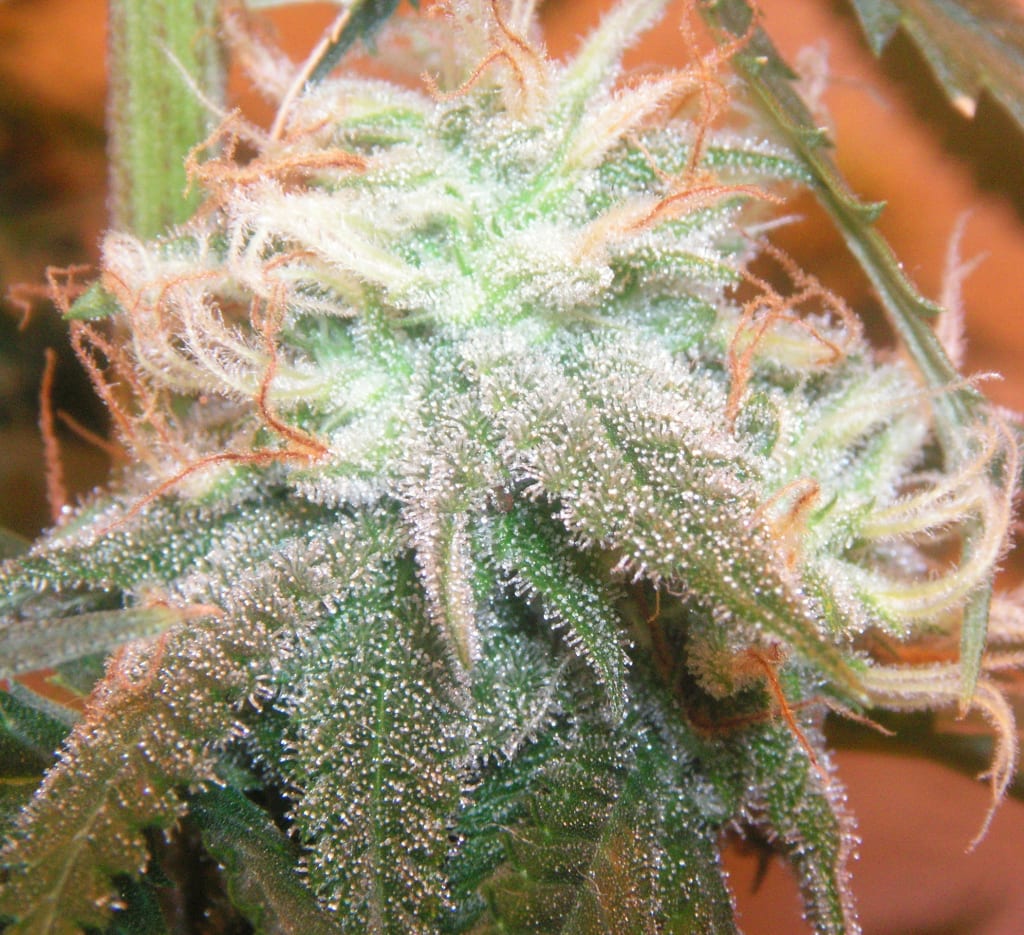
Picking Your Poison
Are you a consumer? Do you ponder the merits of sativas versus indicas and hybrids? Are the exotic names ranging from Nova to the Queen of Cali an added turn-on? Where can you find the perfect herbal blend that would energize and relax the body at the same time? Or are you a breeder? Did it take years of painstaking work cultivating ever-more potent plants while keeping abreast of evolving laws? Do you wax rhapsodic at the sight of the crystal-like trichomes that contain all the good stuff? Or could it be that you only care about relieving pain and that berry or other infusions into your ganja are just the proverbial cherry on top of the cannabis cake. Never fear. Look no further than the Internet to find guides to the best or most potent weed strains. Stoners will wax lyrical about their favorite products at informal and formal events.
However, like any product as hot as the last joint, fraud or copycat products can give a fledgling industry a bad name. According to a recent Scientific American article [1], thousands of Americans have been hospitalized in 2015 as a result of fake weed. Spice, K2, fake weed–call it what you will–but these dangerous man-made cannabinoids sprayed with unknown chemicals have led to more than 2,000 emergency room visits over a period of a month in New York State alone. These pot knockoffs are typically cheaper than the real deal, but buyer beware. The US Centers for Disease Control and Prevention has cited reports of these street drugs harming the kidneys of users.
Take a Leaf from the Natural Health Industry
How does one spot the difference between real and fake weed other than passing it by your hippie-throwback uncle? Buying from a dispensary with a specified testing laboratory in states where marijuana is legal will certainly help the user. Sophisticated analytical instruments such as mass spectrometers can be used to perform quality control of herbal materials.
Why stop there? Why not take a leaf from the playbook of the dietary supplement industry – a lucrative enterprise that lives in an uneasy co-existence with the regulated pharmaceutical industry. For many years, charges of mislabeling plant products and supplements have been made against different companies in that space. Two DNA coding regions within a chlorophyll-filled organelle called a chloroplast are typically used to barcode multiple individuals of each plant species.
In one study, a blind test was conducted of herbal products sold as nutritional supplements by different companies. Using DNA barcoding, the researchers were able to identify that the products were of poor quality, and had been contaminated or substituted with alternative plant species or fillers not listed on the labels [2]. Critics will rightfully point out that a stray dandelion blown by the wind into their crops or destruction of material through burning, might render the DNA barcoding test meaningless.
Like every test required to withstand the withering scrutiny of the law, this technique will have to be performed under many different conditions and, on its own, will not solve all the ills related to fake weed. However, there is another arena where it might prove to be useful. A project is currently under way at the University of Main to help identify medically important Cannabis strains. The researchers hope to further explore the medical benefits of these strains and use their findings to better understand how endocannabinoids are produced in mammals.
Sources
1. Faron, D.Thousands hospitalized this year due to fake weed (2015): https://www.scientificamerican.com/article/thousands-hospitalized-this-year-due-to-fake-weed/
2. Newmaster, Steven G., et al. "DNA Barcoding Detects Contamination and Substitution in North American Herbal Products." BMC Medicine 11 (2013): 222-22. Print.
About the Creator
Zeena Nackerdien
As a scientist, writer, and digital archaeologist I like to roam the Internet of Things, spread facts, wisdom, fun, and clickbait. Enjoy!
Keep reading
More stories from Zeena Nackerdien and writers in Potent and other communities.
A Brief History of Pot
Gateway drug or non-addictive medical panacea? The pot debate has continued to stoke the passions of recreational and medicinal users and their opponents for millennia. While the fate of marijuana legalization and decriminalization hang in the balance, its medical use has been an accepted fact for centuries. Based on 2015 estimates, 22.2 million Americans listed themselves as current marijuana users – reflecting an increase in use over more than a decade [1]. So why are we so fascinated with the dried form of the plant genus, Cannabis?
By Zeena Nackerdien9 years ago in Potent
Cabin Fever Because of Snow, Sleet, and Freezing Rain That Turned to Icy Roads
What Is Cabin Fever? The short answer is that cabin fever is restlessness from being in a confined area. Cabin fever is the distressing irritability or restlessness experienced when a person or group is stuck at an isolated location or in confined quarters for an extended time. Research shows that prolonged cold, gray skies, and being stuck indoors can trigger mood shifts similar to “winter blues.”
By Margaret Minnicks3 days ago in Humans




Comments
There are no comments for this story
Be the first to respond and start the conversation.