
What to Know About Nerve Pain After Abdominal Surgery
Abdominal surgery can occasionally result in chronic abdominal nerve pain or chronic pelvic nerve pain.

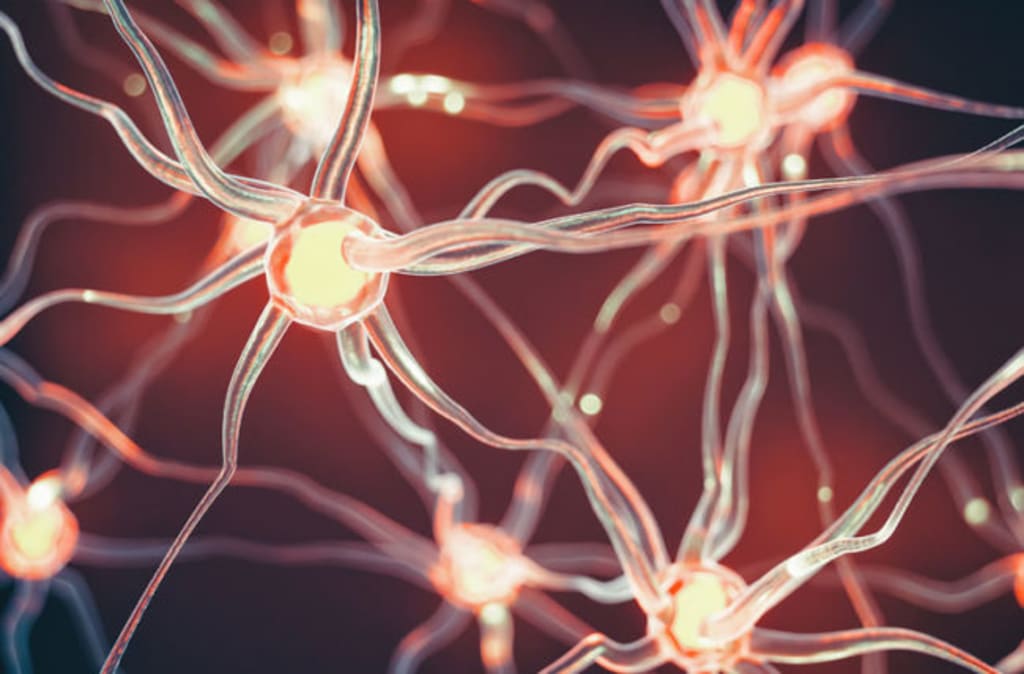
Abdominal or pelvic nerves can be cut, stretched, or damaged in other ways during surgeries such as appendectomy, gynecological surgery, or hernia repair. This is known as surgically-induced neuropathic pain (SINP).
It is unclear how common it is, but researchers are beginning to learn that nerve pain after surgery is most likely common.
If you're considering surgery, the statistics can be concerning, but there may be things you can do to reduce your risk. Simultaneously, researchers are looking for ways to lower the risk of SINP and effectively treat it if it does occur.
This article will cover everything you need to know about SINP's causes, diagnosis, and treatment.
Causes
Severed Nerves
When a surgeon is in the abdomen or pelvis, the iliohypogastric and ilioinguinal nerves are sometimes "in the line of fire."
Having said that, people have anatomical differences. That means that each person's nerves are not always in the same place. Even the most skilled surgeons could accidentally sever a nerve.
Pelvic Nerve Structure Differences
Pelvic nerves are also located in slightly different locations or positions in each individual. In some people, the nerves are located beneath the abdominal muscles. They pass right through other people.
Some people also have a greater number of pelvic nerve branches than others. As a result, avoiding pelvic nerve damage during surgery is not always simple.
Stretched Nerves
Nerves can be damaged without being cut or nicked; stretching nerves can also be harmful.
Nerve Compression and Entrapment
Nerves can also become compressed following surgery. Nerves can become entangled in sutures, staples, or surgical mesh.
Nerves can become trapped after surgery as well. This occurs when nerves near the abdomen's surface become entrapped as they pass through the abdominal muscle.
Risk Factors
Similarly to the unknown cause of SINP, it is unknown which risk factors make a person more likely to experience postoperative chronic nerve pain.
Some possible risk factors include pain prior to surgery and psychological factors such as anxiety.
The most common predictor of SINP is the amount of pain a person experiences immediately following surgery. The more severe the acute pain, the greater the risk of SINP.
Diagnosis
A SINP diagnosis is not always straightforward. In some cases, healthcare providers may be unable to determine the source of a person's pain.
The diagnosis can also be difficult because one person's pain experience can differ greatly from another's.
To rule out other causes of a person's pain, providers can perform a physical exam, use pain scale scoring, and order imaging tests. At that point, they would almost certainly attribute the ongoing pain to SINP.
Exam and Medical History
If you are experiencing post-surgical pain, you will need to see your provider in person.
They will question you about the type of pain you are experiencing. They will ask you to describe how it feels, and identify feelings like "pins-and-needles," "stabbing," or "burning."
Pain Scale Scoring
A provider can use a simple survey called a neuropathic pain scale to more objectively rate how much pain you are in (NPS).
The scale rates your pain symptoms on a scale of 0 to 10, with 0 representing no pain and 10 representing the worst pain you have ever experienced.
Imaging
Imaging studies may be required to look for nerve injuries. Computed tomography (CT) or magnetic resonance imaging (MRI) scans, for example, allow your provider to see different parts of your body more clearly.
New imaging technologies are being developed to produce more accurate images at the cellular and even molecular levels.
If your provider suspects that nerves are compressed or entrapped, they may be able to diagnose the condition by injecting a local anesthetic near the suspected nerve injury.
Treatment
Medications
Your doctor may first suggest that you try medication for chronic neuropathic pain, such as tricyclic antidepressants, anticonvulsants like Neurontin (gabapentin), and newer medications like Lyrica.
These medications were not designed to treat pain, but they have assisted in the treatment of some pain conditions.
Antidepressants are used to treat chronic pain because they act on pain receptors in the brain, not because your doctor believes the pain is "all in your head."
Nerve Blocks
Nerve blocks, also known as neural blockades, can help prevent or manage a wide range of pain symptoms. Injections of medications that block pain signals from specific nerves are used.
TENS
Transcutaneous electrical nerve stimulation (TENS) is a pain-relieving therapy that employs low-voltage electrical currents.
A TENS unit is a battery-powered device that sends electrical impulses to the skin via electrodes.
TENS has assisted some people in dealing with chronic (treatment-resistant) nerve pain.
Surgery
In some cases, your provider may recommend surgery to reconnect severed nerves. Nerve repair surgery can be performed in a variety of ways.
A surgeon removes the damaged section of nerve tissue and reattaches the healthy ends during nerve repair.
Prevention
Acute postoperative pain is strongly associated with the development of chronic pain. The best preventive strategy is considered to be effective in postoperative pain management. That is why it is critical that you notify your provider if you are in pain following surgery. Several studies have found that aggressive, early pain management after surgery is associated with improved pain control.
About the Creator
Amelia Grant
I am journalist, and blogger.
Keep reading
More stories from Amelia Grant and writers in Longevity and other communities.
7 Indications That a Dental Appointment Is Necessary
A variety of factors might have an impact on the state of your teeth. To keep your teeth and gums healthy, practice appropriate dental hygiene, eat nutritious meals, drink enough water, and schedule routine dentist checkups.
By Amelia Grant3 years ago in Longevity
Day 4 of Quitting
If this is how sobriety feels, maybe it’s better to go through life a little buzzed… this, along with other hits like, I want to kill myself, I wish I was dead, and I’m going to throw myself off a bridge have been the only thoughts on rotation these past few days. I promise myself that if, in a month, I still feel like this (‘this’ meaning despondent, full of rage, and simultaneously numb) I can go back to smoking. Until mid-February though? Nicotine is off the table.
By sleepy draftsabout a month ago in Longevity



Comments
There are no comments for this story
Be the first to respond and start the conversation.