
The Nipah Virus: A Deadly Threat to Global Health
Understanding the Silent Killer, Its Origins, and Why Preparedness Matters More Than Ever
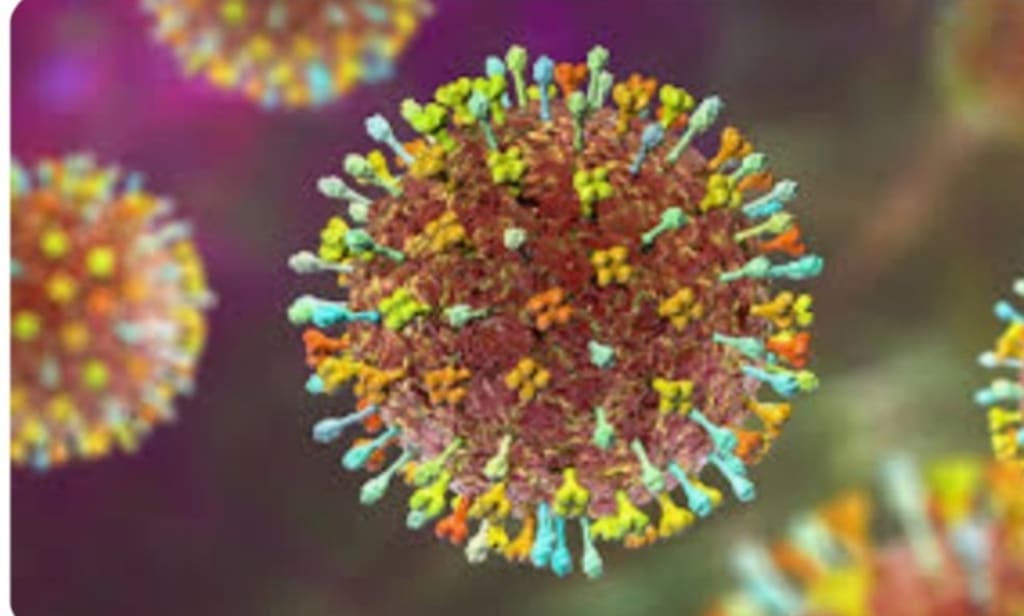
In a world increasingly shaped by viral outbreaks, the Nipah virus has emerged as one of the most alarming infectious threats known to modern science. Unlike many familiar viruses, Nipah is rare but extremely dangerous, with a high fatality rate and the ability to jump from animals to humans. While it does not spread as easily as the flu or COVID-19, its severity makes it a major concern for global health experts.
The story of the Nipah virus is not just about disease—it is about how human actions, environmental changes, and global travel create the perfect conditions for new health threats to appear. Understanding this virus today may help prevent a more serious crisis tomorrow.
Where Did the Nipah Virus Come From?
The Nipah virus was first identified in 1998 in Malaysia, during an outbreak that affected farmers, health workers, and entire villages. It was named after a small area called Sungai Nipah, where several victims lived. The virus was eventually traced to fruit bats, also known as flying foxes, which act as the natural hosts.
These bats do not typically harm humans directly. But when forests are cut down and habitats shrink, wildlife comes closer to human settlements—and viruses can cross species more easily.
Nipah outbreaks have since occurred in:
Malaysia
Bangladesh
India
These outbreaks were usually limited in size, but their severity raised alarm worldwide.
How the Virus Spreads
Nipah is a zoonotic virus, meaning it can spread from animals to humans. The most common sources include:
Fruit bats: the natural carriers
Infected animals such as pigs: which can act as intermediate hosts
Contaminated food: such as fruits partially eaten by bats
Close contact with infected people: especially in caregiving settings
While human-to-human transmission does occur, it generally requires close, direct contact. This means the virus does not spread as easily as respiratory illnesses like measles or influenza.
Why the Nipah Virus Is So Dangerous
The main concern with Nipah is not how fast it spreads, but what it does when it infects someone. The virus can cause severe illness that may affect both the respiratory system and the brain.
Some individuals may have mild symptoms, but others can experience serious complications. Because of these risks, health officials closely monitor suspected cases and encourage early medical care.
Global health agencies consider Nipah one of the most dangerous emerging viruses because:
There is no approved vaccine yet.
There is no specific antiviral treatment.
The fatality rate has been high in past outbreaks.
It can infect multiple species.
It has pandemic potential if it ever mutates into a more easily transmissible form.
This combination makes Nipah a high-priority virus for scientific research.
Environmental Change and the Rising Risk
As forests disappear and urban areas expand, humans and wildlife share more space than ever before. Fruit bats, once living deep in natural habitats, now feed near farms, orchards, and villages. This increases the risk of viruses crossing from animals to humans.
Climate change also plays a role. Rising temperatures and unstable weather patterns disrupt natural ecosystems, pushing animals into new areas. With each shift, new opportunities for viral transmission appear.
The Nipah virus is a reminder that environmental and human health are closely connected.
Global Preparedness: Are We Ready?
The COVID-19 pandemic showed the world how quickly a virus can spread and overwhelm health systems. While Nipah does not currently spread as rapidly, health experts worry about the possibility of future mutations.
Governments and researchers are working on:
Early warning systems
Improved diagnostic tools
Vaccine development
Surveillance of bat populations
Public education in high-risk areas
Preparedness does not mean panic—it means planning ahead to reduce risk and improve response strategies.
Lessons from Past Outbreaks
Each Nipah outbreak has taught the global community something valuable.
1998 Malaysia Outbreak
The first outbreak revealed how quickly a virus can move from wildlife to livestock and then to humans. It showed the importance of monitoring animal health alongside human health.
Bangladesh and India Outbreaks
Later outbreaks emphasized the dangers of contaminated food sources and human-to-human transmission. These events helped strengthen community awareness programs and health protective measures.
In every case, early reporting and careful public health management played key roles in controlling the spread.
The Role of Public Awareness
Public understanding of emerging viruses is just as important as medical research. Simple awareness can help reduce risk in areas where the virus has appeared. Communities that know how the virus spreads are better prepared to protect themselves.
Awareness also helps reduce fear. When people learn accurate information, they are less likely to panic and more likely to follow safe practices.
Hope for the Future
Despite the dangers, the world is not helpless against the Nipah virus. Scientists are actively researching vaccines and potential treatments. International organizations continue to monitor outbreaks and support local health systems.
Most importantly, each outbreak has been contained successfully, showing that with caution, cooperation, and scientific progress, it is possible to prevent a larger disaster.
Nipah is a serious virus, but early action and informed communities can make a huge difference.
Conclusion: A Warning We Should Not Ignore
The Nipah virus may not dominate global headlines, but it represents the kind of emerging threat that could shape the future of public health. Its deadly nature, high risk factors, and environmental connections make it a virus the world must pay attention to.
Understanding Nipah is not about fear—it is about awareness. It is a reminder that global health depends on early detection, scientific research, and environmental responsibility. By learning from past outbreaks and preparing for future risks, we can protect communities and build a safer world.
About the Creator
Day 4 of Quitting
If this is how sobriety feels, maybe it’s better to go through life a little buzzed… this, along with other hits like, I want to kill myself, I wish I was dead, and I’m going to throw myself off a bridge have been the only thoughts on rotation these past few days. I promise myself that if, in a month, I still feel like this (‘this’ meaning despondent, full of rage, and simultaneously numb) I can go back to smoking. Until mid-February though? Nicotine is off the table.
By sleepy drafts26 days ago in Longevity




Comments
There are no comments for this story
Be the first to respond and start the conversation.