
The Evolution of Flexible Packaging: Balancing Innovation, Functionality, and Sustainability
Exploring how innovation in packaging design is transforming the food industry and beyond

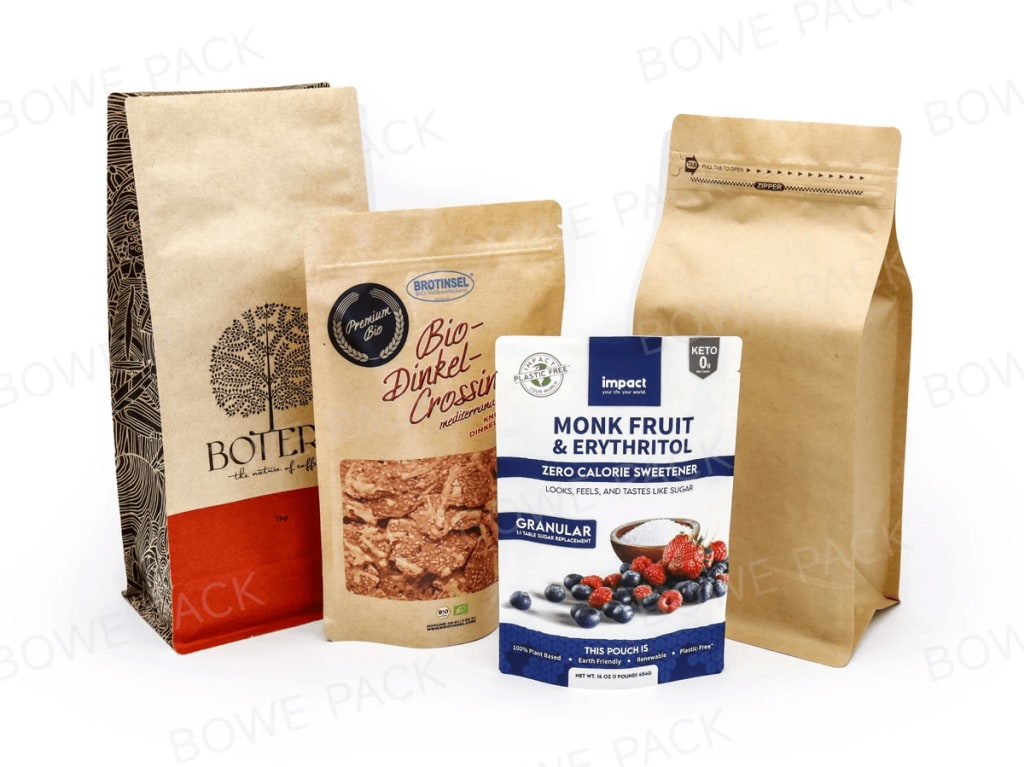
Introduction
In the modern consumer market, packaging has become far more than a container. It is a combination of science, design, and communication that determines not only how a product is protected but also how it connects with consumers. Among the wide variety of packaging solutions available today, flexible packaging has emerged as one of the most adaptive and sustainable choices. Behind this success stand innovative flexible packaging manufacturers who continuously redefine what packaging can achieve.
This article explores the evolution, advantages, and environmental impact of flexible packaging. Drawing insights from real-world examples such as BowePack, a company specializing in advanced packaging solutions, we will discuss how customized designs, material innovations, and manufacturing excellence have transformed the packaging industry.
The Changing Role of Packaging in the Modern Market
Packaging once had a simple purpose: to hold and protect a product. Today, it performs multiple roles—extending shelf life, communicating brand identity, ensuring sustainability, and providing convenience to consumers. Flexible packaging has become a preferred solution for many industries because of its ability to combine performance, practicality, and appeal.
The demand for lighter, eco-friendly, and cost-effective materials has driven the shift from rigid containers to flexible alternatives. As a result, businesses now partner with leading flexible packaging manufacturers to develop packaging that balances innovation and functionality.
What Defines Flexible Packaging?
Flexible packaging includes pouches, wraps, and films made from materials that can bend or fold easily while maintaining product integrity. The most common forms are stand-up pouches, resealable bags, and vacuum-sealed films. This type of packaging is especially popular in the food industry but also serves cosmetics, pharmaceuticals, and home-care products.
A typical example of innovation in this sector can be seen through custom flexible packaging bags, which allow brands to design unique sizes, shapes, and finishes. They also offer high-barrier protection against oxygen, moisture, and light, which keeps products fresh for longer periods.
Advantages of Flexible Packaging
1. Lightweight and Efficient
Flexible materials reduce transportation costs and carbon footprint. They are easier to store, ship, and dispose of compared to rigid containers.
2. Customization and Branding
Manufacturers such as BowePack allow for high-definition printing, matte and gloss finishes, and special features like tear notches, spouts, and zippers. These details make products stand out on retail shelves.
3. Product Protection
Multi-layer films provide advanced barriers that preserve freshness and prevent contamination. Whether it’s coffee, snacks, or pet food, the right combination of materials ensures product stability throughout its lifecycle.
4. Sustainability
As the packaging industry evolves, flexible packaging manufacturers are increasingly investing in recyclable and biodegradable materials. This reduces environmental waste while maintaining performance.
5. Cost-Effectiveness
Flexible packaging requires fewer raw materials, reducing both production and shipping costs. It also consumes less energy during manufacturing and transportation.
Inside Custom Packaging Solutions
A growing number of brands now prefer custom flexible packaging bags to meet the needs of different products. Customization allows for adjustments in thickness, color, print, size, and barrier level. For example, a coffee producer might choose a foil-based pouch with a degassing valve, while a snack company might prefer resealable zippers to maintain crispness.
Companies such as BowePack specialize in these solutions, combining function with aesthetic design. By focusing on both usability and presentation, they help brands create packaging that not only protects but also enhances consumer experience.
The Importance of Food Packaging
Food products require careful consideration due to their sensitivity to external factors. The choice of packaging directly impacts freshness, shelf life, and safety. Custom food packaging bags play a crucial role in protecting the product while ensuring compliance with food safety regulations.
Key features of modern food packaging include:
- High-barrier films that block oxygen and moisture.
- Heat-sealed closures that prevent leaks.
- Resealable zippers for convenience.
- Transparent windows to display contents.
By using such features, flexible packaging helps manufacturers meet consumer expectations for both quality and sustainability.
The Portfolio of Modern Packaging Products
When exploring the range of flexible packaging products, you’ll find a variety of options such as laminated films, side-gusseted bags, flat-bottom pouches, and roll stock films. These options are offered by reliable flexible packaging suppliers like BowePack, who adapt their manufacturing to serve industries of different scales.
Among the most popular formats are stand up pouches, which have become an industry standard due to their functionality and shelf appeal. They can hold dry or liquid products, come with resealable features, and reduce packaging waste by using less material than rigid containers.
Sustainability and the Future of Packaging
One of the biggest challenges in the packaging industry today is achieving sustainability without compromising performance. Manufacturers are experimenting with mono-material structures and compostable films to make flexible packaging more eco-friendly.
Sustainability efforts include:
- Developing recyclable polyethylene (PE) and polypropylene (PP) films.
- Reducing material thickness without affecting strength.
- Using water-based inks for printing.
- Improving recyclability through single-material designs.
Consumers are also playing a role by choosing brands that use environmentally responsible packaging. This shift is driving suppliers to innovate at every stage of production.
How to Choose the Right Packaging Partner
Selecting the right supplier can be critical to your product’s success. Here are factors to consider when evaluating a flexible packaging supplier:
- Technical Expertise – Ensure the manufacturer can produce the right materials and formats for your product.
- Customization Options – Look for partners who offer flexible designs, printing, and structural options.
- Compliance and Quality – Verify certifications for food safety, sustainability, and manufacturing standards.
- Scalability – Choose a supplier capable of handling both small and large production runs.
Innovation – The best partners continually research and adopt new technologies in materials and printing.
By working with an experienced supplier such as BowePack, brands gain access to comprehensive services—from concept design to full-scale production.
Challenges Ahead for the Industry
Despite its advantages, flexible packaging faces certain challenges:
- Recycling Limitations: Multi-layer films can be difficult to recycle.
- Regulatory Pressure: Governments worldwide are introducing stricter packaging waste policies.
- Consumer Perception: Some consumers still associate flexible plastic with pollution, requiring better education about recyclable alternatives.
Addressing these issues will require continued collaboration between packaging manufacturers, policymakers, and consumers.
Conclusion
The packaging industry is evolving rapidly, with flexible solutions leading the transformation. From custom flexible packaging bags to stand up pouches, the innovations brought by experienced flexible packaging manufacturers have redefined how products are stored, shipped, and presented. Companies such as BowePack demonstrate how combining technology, sustainability, and customization can meet the needs of modern businesses.
As sustainability becomes more than just a trend, the future of packaging will depend on responsible material choices and creative engineering. Flexible packaging stands as a bridge between functionality and eco-consciousness—proving that good design can protect both products and the planet.
About the Creator
Keep reading
More stories from charliesamuel and writers in Longevity and other communities.
The Meaning and Craft of Symbols in Sport: Armbands, Pennants, and Identity
In the world of sport, a small strip of cloth or a fluttering banner can carry more meaning than many words. Whether it’s a Custom Armbands worn around the upper arm, or a bold soccer pennant waving high, these symbols become vessels for identity, authority, pride—and storytelling. In this article, we explore how these items evolve from functional accessories into cultural signifiers, and how customization allows teams, clubs, and fans to deepen connections with their symbols.
By charliesamuel4 months ago in Longevity
Day 4 of Quitting
If this is how sobriety feels, maybe it’s better to go through life a little buzzed… this, along with other hits like, I want to kill myself, I wish I was dead, and I’m going to throw myself off a bridge have been the only thoughts on rotation these past few days. I promise myself that if, in a month, I still feel like this (‘this’ meaning despondent, full of rage, and simultaneously numb) I can go back to smoking. Until mid-February though? Nicotine is off the table.
By sleepy drafts28 days ago in Longevity


Comments
There are no comments for this story
Be the first to respond and start the conversation.