
Start Your Meditation with Contemplation
A technique you can use to settle the thoughts in your mind until you use a mantra
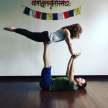

When I first started meditating it was so difficult. My mind was everywhere and with each thought a strong emotion followed. I felt like I was on an emotional roller coaster and thought, “why in the hell is this going to help me?” I felt so tired after each sitting session.
I left the seated practice for a bit and got into watching my breath while in simple poses or my favorite, crocodile pose. I could lie down and breath and the mind would anchor itself into the breath, it would wonder occasionally but the emotions that accompanied the thoughts were less and I could see more subjectively than letting the emotions take over me. In crocodile, I would lie and breath a thought would arise like, “I don’t think place name here since I said that” and the emotion that would take over me would be self disgust, feeling of being small and alone or wanting to curl up so no one could see me. I would not curl up but observe where the emotion came from, I would often ask my body, why do you feel this way from people “potentially” not liking you. Body, why do you care if BLANK likes you? I would ask all these questions while I continued to breath. Often as I was feeling an emotion, the breath would change and I would be aware of it.
As I would observe my mind, I began to notice that my thoughts were coming in as themes: acts of self hate, anger episodes, relationship matters, family observances and addictions, to name a few. I love filing, like when all my paperwork is organized so I took that skill to my mind and started organizing it. I would have a reoccurring thought while practicing asana or while focusing on my breathing and would let my whole body feel what is was like to be in the situation and then I would file that experience with the emotion into my mental filing cabinet. I would let my mind only do one memory and emotion per day. This way I did not get exhausted but rejuvenated from being in the moment and giving space to one memory at a time. I did this for about a year and half. Slowly I found that I was able to have memories without the attached feelings. This was very helpful to jump start my seated meditation practice.
As I started sitting again, I could observe a thought without getting wrapped up in it and the emotions that it inspired. This training set the stage for my daily japa practice, when new situations arise in my daily life, I may pull out this technique to fully observe why the situation happened and where I am storing it and the emotions. Giving time to process allows the body, mind and soul to digest and let go. It is a way to clear toxins and create more space for inner joy to be felt.
About the Creator
BambooMoves Forest Hills
BambooMoves Forest Hills is a yoga studio and community center offering nutritional programs, workshops and healing. We believe that everyone can experience more peace and happiness–one smile, one breath, one move at a time.
Keep reading
More stories from BambooMoves Forest Hills and writers in Longevity and other communities.
Gaining Mastery of Your Senses
"If a man's reason succumbs to the pull of his senses he is lost. On the other hand, if there is rhythmic control of the breath, the senses instead of running after external objects of desire turn inwards, and man is set free from their tyranny." —B.K.S Iyengar 'Light on Yoga'
By BambooMoves Forest Hills9 years ago in Longevity
Day 4 of Quitting
If this is how sobriety feels, maybe it’s better to go through life a little buzzed… this, along with other hits like, I want to kill myself, I wish I was dead, and I’m going to throw myself off a bridge have been the only thoughts on rotation these past few days. I promise myself that if, in a month, I still feel like this (‘this’ meaning despondent, full of rage, and simultaneously numb) I can go back to smoking. Until mid-February though? Nicotine is off the table.
By sleepy drafts29 days ago in Longevity



Comments
There are no comments for this story
Be the first to respond and start the conversation.