
Quarantine
An Extroverts Journey Through Self-Isolation

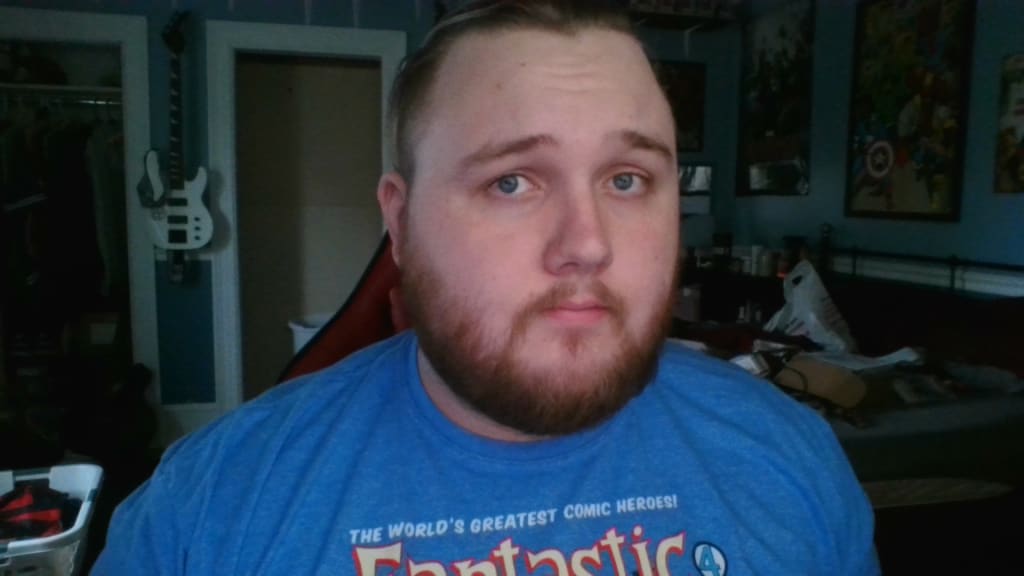
This has been a strange year, we all can admit that. All jokes aside, no one could have expected or anticipated something like COVID-19 changing the way we as a people interact with one another. Consumers have stopped going into stores as much, and instead prefer to shop online and line the pockets of the wealthiest man on the planet. I cannot hide the fact that yes, I am one of those people unfortunately. But, when I can order 10 pints of my favorite Ben and Jerry's ice cream and have it delivered to me the next day, I become a weak man. We do what we need to do in order to survive.
Speaking on the subject of survival, it sure has been tough at home. I went from being the type of person who would work 40 hours a week, to then sometimes go out to bars and enjoy the company of friends. Sometimes it would be going out to dinner with my partner, or a movie. Basic stuff like that, nothing special. Now, I spend all of my time at home, playing video games or bingeing Netflix shows. What was once various trips to the grocery store is now bleaching all that comes in from several grocery delivery services. I've ruined too many of my favorite shirts with bleach.
I am not a person in which the virus would be fatal for. However, one of my housemates is. He is an immunocompromised person who is at risk of dying if any trace of covid was to enter our home. This means we all stay at home. I have been fortunate enough up to this point, that my place of work has let me stay home but hold my position until I return. But that could end at any moment, to tell the truth. This would mean I would have to choose between keeping my job or keeping my housemate safe. These are definitely not the decisions I thought I was going to have to make this year.
Being at home has given me a lot of time to reflect on things, including myself and the people around me. I am very lucky to have surrounded myself with a support system of people who are genuine and care about me the way I care about them. We get along greatly, spending time watching movies and playing board games. Our weekly game of Dungeons and Dragons is always a good time as well. As much as I do enjoy spending time with my partner, its nice to be able to spend time with other human beings as well. That's been my saving grace during these trying times. Well, that and streaming.
Upon realizing how little I have actually been doing during the last four months, I took it upon myself to become a streamer. This way, I play the video games I have already been playing, but also get to create while I do so. I have been downloading my streams and editing them for YouTube, as a way for people to watch my content after it disappears from Twitch. Id say I have had little success, as I only have 11 followers as I write this. But then again, that's more than I had when I started a few weeks back. Either way, I have been enjoying myself and that all that really matters.
Anyway, If people read this or like this at all, I might consider writing one of these every week or every few days. Like, giving an update into how mundane life has become or whats going on. I suppose I'll leave that up to statistics. But that doesn't mean I wont be posting other stuff. Stay tuned for whatever my brain randomly throws at me over the next several months.
About the Creator
Keep reading
More stories from Christopher Howard and writers in Longevity and other communities.
The World We Know
Not many survived what the still living see as the end of all life as we know it. Unfortunately, I did. I mean sure, we’re still living and breathing. But is that really what constitutes a life? There are no more restaurants, concerts, movies, or anything of the sort. All we have left are books, which is especially difficult for me as I have a hard time focusing whenever I try to read. Thankfully, comics still exist. They are the only thing that I have left in this world that allow me to escape the harsh reality that has become my life.
By Christopher Howard5 years ago in Fiction
Discovering the Unexpected Serenity of Walking Meditations
“I found that one of the hardest things about mindfulness practice was to let go of effort. For years, I treated meditation as one more item on my daily to-do list — mindfulness…check. This task orientation turned meditation into a chore that I could do incorrectly.” — Seth J. Gillihan, PhD, Mindful Cognitive Behavioral Therapy: A Simple Path to Healing, Hope, and Peace
By Leigh Victoria Phan, MS, MFAa day ago in Longevity




Comments
There are no comments for this story
Be the first to respond and start the conversation.