
Modern Facilities Redefining Efficiency with Ventilation, Food Storage, and Nurseries
How integrated design is transforming workplaces, schools, and community spaces
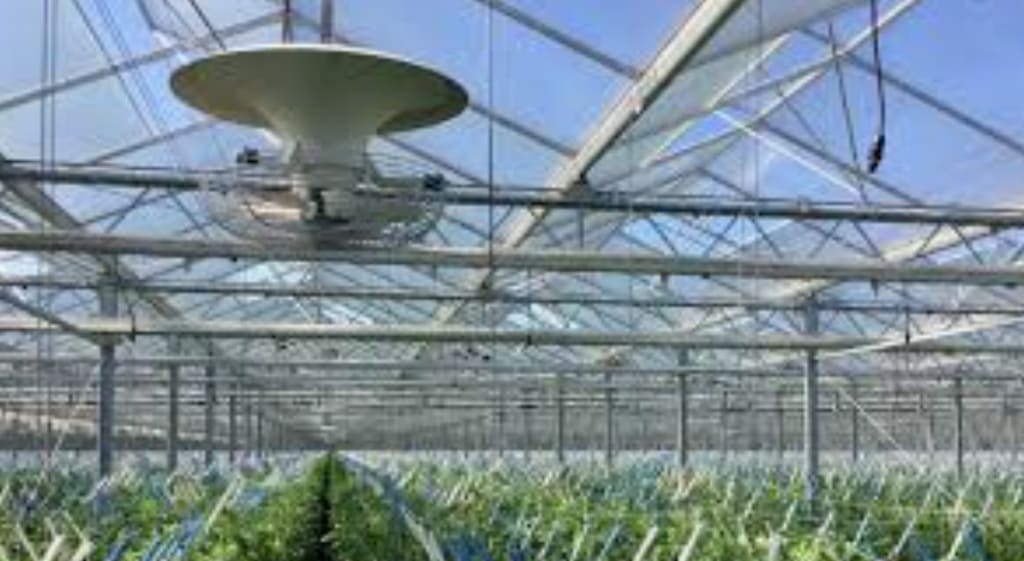
The Importance of Integrated Facility Design
In today’s rapidly evolving world, facility design goes beyond mere construction. Modern buildings and community spaces are integrating systems that prioritize health, safety, and productivity. Facilities equipped with advanced ventilation systems, optimized food storage, and dedicated nurseries are setting a new standard for functionality and well-being.
From schools and hospitals to workplaces and community centers, these elements ensure that occupants are safe, healthy, and supported in every aspect of daily life. Such designs also reflect a growing awareness of sustainability, efficiency, and user experience.
Advanced Ventilation Systems: A Breath of Fresh Air
Why Ventilation Matters
Ventilation is no longer just a background feature. In public buildings, poor airflow can lead to the accumulation of pollutants, allergens, and airborne pathogens. Modern ventilation systems regulate temperature, humidity, and air quality, creating healthier environments for staff, students, or residents.
Technological Innovations
Air filtration and purification: High-efficiency particulate air (HEPA) filters capture pollutants and pathogens.
Smart airflow systems: Automated systems adjust ventilation based on occupancy and air quality sensors.
Energy efficiency: Advanced systems reduce energy consumption while maintaining optimal airflow, aligning with sustainability goals.
Well-ventilated facilities not only protect health but also improve productivity, focus, and comfort. Schools report better concentration in classrooms with proper air circulation, while workplaces see fewer sick days among staff.
Food Storage: Ensuring Safety and Sustainability
Another crucial component of modern facilities is efficient food storage systems. Whether in schools, hospitals, or community centers, managing food safely is essential for public health.
Features of Modern Food Storage
Temperature control: Refrigeration units with precise temperature regulation prevent spoilage.
Inventory management: Digital systems track expiration dates, reducing waste and improving efficiency.
Sanitation protocols: Hygienic storage units reduce contamination risks and comply with health regulations.
Advanced food storage systems also support sustainability by minimizing food waste. By combining smart inventory tools with proper refrigeration, organizations can save money and resources while feeding communities safely.
Dedicated Nurseries: Supporting Families and Communities
A growing trend in facility design is the inclusion of nurseries and childcare areas. Whether in workplaces, schools, or community centers, these spaces support working parents, provide safe care for young children, and foster early learning.
Key Considerations in Nursery Design
Safety and hygiene: Childproofing, sanitation protocols, and safe play areas are standard.
Developmental focus: Age-appropriate learning materials, sensory stimulation, and structured play enhance early education.
Accessibility: Nurseries within workplaces or community spaces reduce commuting stress for parents.
By integrating nurseries into larger facilities, organizations create environments where families can thrive, and children can learn and play in safe, structured settings.
The Benefits of Integrated Facility Design
When ventilation, food storage, and nurseries are integrated into a single facility, the advantages multiply.
Health and Well-Being
High-quality air circulation, safe food handling, and child-friendly spaces create a healthier environment for everyone. Facilities can reduce illness, improve mental well-being, and provide a sense of security.
Efficiency and Productivity
Automation in ventilation and food storage reduces labor requirements and operational errors. Staff spend less time troubleshooting systems, allowing them to focus on core responsibilities.
Community and Family Support
Nurseries and safe communal areas allow parents to participate fully in work or community activities. Families feel supported, which strengthens social cohesion and engagement.
Examples of Integrated Facilities
Schools
Modern schools are adopting designs that combine proper ventilation, cafeteria storage systems, and on-site nurseries for teachers’ children. This ensures safe learning environments, nutritious meals, and family support.
Hospitals and Clinics
Hospitals integrate ventilation to control infection, advanced storage for medicines and meals, and childcare areas for staff families. Such designs improve patient care, staff productivity, and operational safety.
Community Centers
Centers that provide recreational, educational, and social services often include childcare and food support, with well-ventilated multipurpose rooms that meet regulatory and comfort standards.
Challenges in Facility Integration
While integrated facilities offer numerous benefits, they also present challenges.
Cost: Advanced ventilation systems and specialized storage units require upfront investment.
Maintenance: Proper upkeep is essential to ensure long-term effectiveness.
Space planning: Allocating sufficient space for nurseries, storage, and ventilation infrastructure requires careful design.
However, these challenges are increasingly addressed through modular design, digital management tools, and government or community grants.
The Future of Facility Design
The trend toward integrated facilities is expected to grow. Innovations in smart building technology, AI-powered air quality monitoring, and automated inventory systems will make these designs even more effective.
Future facilities may include:
AI-driven climate control: Adjusting air and humidity for comfort and health automatically.
Smart storage solutions: Predicting inventory needs and minimizing waste using real-time data.
Interactive nurseries: Using technology to enhance early education and child engagement.
These advancements will not only improve operational efficiency but also create safe, supportive, and sustainable spaces for communities.
Conclusion: Building Spaces That Support Life
Facilities that combine advanced ventilation systems, optimized food storage, and dedicated nurseries are more than just functional—they are transformative. They represent a commitment to health, safety, productivity, and community well-being.
By prioritizing these features, schools, hospitals, workplaces, and community centers can meet the complex demands of modern life while supporting families and promoting sustainable practices. These designs are not just a trend—they are the blueprint for the future of communal living and working spaces.
About the Creator
5 Habits You Should Integrate Daily For Balance, Health, and Success
Meditate. Take a walk. Get a workout in. Read a book that grows your mind. Stretch your body and take deep breaths. These five habits may look almost too simple to matter, but that is exactly why they work. They do not require special equipment, expensive memberships, or perfect conditions. They require intention and consistency. When practiced daily, they can significantly improve how you feel physically, mentally, and emotionally.
By Destiny S. Harris5 days ago in Longevity



Comments
There are no comments for this story
Be the first to respond and start the conversation.