
Magnesium and Its Importance to the Body
What do you know about magnesium?

Magnesium is one of the essential minerals for the proper functioning of the body, the nervous system, and the muscular system.
The human body uses various amounts of magnesium for more than 300 biochemical reactions, implicitly helping to maintain a healthy immune system, stimulating the proper functioning of the heart, and the proper and strong development of bones.
Regulating blood glucose levels, energy, and protein production are functions of the body for which magnesium plays an important role and the right amounts of it are needed in the body. The body of a healthy adult contains about 25 grams of magnesium, more than 50% of which is found in the bones, the rest being distributed in the soft tissues and only 1% in the blood serum.
The human body extracts the necessary amounts of magnesium from its diet, but depending on the diet followed and the ability to absorb nutrients, your doctor may recommend the use of dietary supplements with high concentrations of magnesium to cover the deficiency.
The most important food sources of magnesium are nuts, whole grains, wheat germ, fish, and green vegetables. However, you can also absorb significant amounts of magnesium from bananas, dried apricots, avocados, peas, beans, tofu, and milk.
The important thing to know is that there is no cause for concern about the increased intake of magnesium, in general, the human body eliminating excess amounts. Thus, quantities above the normal limit will be found only in the body of those who abuse supplements.
However, in the case of people who do not assimilate nutrients or eat chaotically, magnesium deficiencies can be observed, the main symptoms being muscle weakness, hyperexcitability, and drowsiness.
To be aware of the need for this mineral in the body, you will find in the following lines the 10 most important health benefits of magnesium.
1. Restful sleep
Accumulated stress and tension are the main causes of insomnia, but magnesium has the role of reducing stress hormones and balancing melatonin, the hormone responsible for sleeping at regular hours, which changes in the case of mineral deficiency.
So, to get a good night's sleep, you need the 25 grams of magnesium needed for the body to function properly.
2. Muscle development
Magnesium allows the body to produce more insulin, which plays an important role in muscle development.
3. Better flexibility
Magnesium has an important function in relaxing muscles and preventing cramps, thus determining ease of movement and preventing the accumulation of lactic acid responsible for the sensations of pain and pressure.
4. Magnesium prevents osteoporosis
Calcium and magnesium supplements improve bone mineral density, while magnesium deficiencies affect the hormones that regulate calcium, causing osteoporosis.
5. Prevents cardiovascular disease
An optimal level of magnesium in the body reduces the risk of heart disease and the risk of having stroke.
6. Regulates blood pressure
Blood pressure can be lowered and regulated with a diet rich in fruits and vegetables, which are important sources of potassium and magnesium.
7. Reminiscing teeth
Magnesium deficiency influences the imbalance of calcium and phosphorus in saliva, which damages the health of the teeth.
8. Hydration of the body
Magnesium is an essential electrolyte needed to hydrate the body.
9. Prevents diabetes
People with magnesium deficiency are more likely to develop type 2 diabetes or severe diabetic retinopathy. This is because magnesium plays an important role in the production of insulin responsible for blood glucose levels.
10. Treatment of migraines and depression
Among the many health benefits of magnesium are migraine and the symptoms of depression. Magnesium supplements are also given to reduce the intensity of panic attacks, eliminate stress and anxiety.
About the Creator
Keep reading
More stories from Lia Barton and writers in Longevity and other communities.
What Is the Significance of 11:11 in Life and Love?
It is no secret that the spirit world tries to communicate with us in various ways. Situations that may seem like mere coincidences have a spiritual, magical, strong connotation and they are meant to convey something to us.
By Lia Barton4 years ago in Longevity
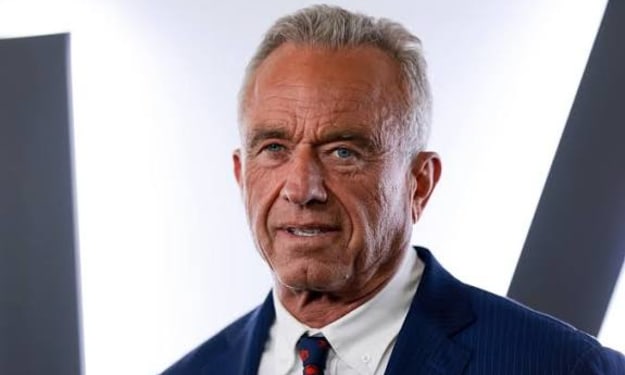
Psychiatrist Says Kennedy Was ‘Not Accurate’ in Discussing His Keto Studies
A prominent psychiatrist has publicly challenged recent claims made by Robert F. Kennedy Jr. regarding his research into the ketogenic diet, saying Kennedy’s statements about the findings were “not accurate” and risk misleading the public about the science behind nutrition and mental health. The dispute centers on Kennedy’s comments in a recent interview in which he cited his own studies to argue that the ketogenic diet could dramatically improve mental health conditions, including depression and anxiety. While Kennedy described the results as groundbreaking, a psychiatrist involved in reviewing the research said his interpretation overstated the evidence and simplified complex findings. Scientific Concerns Raised Dr. Alan Mercer, a psychiatrist and clinical researcher who examined the data referenced by Kennedy, said the conclusions presented to the public did not fully reflect what the studies actually showed. “The results were preliminary and limited,” Mercer said in a statement. “Mr. Kennedy portrayed them as definitive proof that keto diets can treat psychiatric disorders. That is simply not accurate.” Mercer emphasized that the studies involved small sample sizes and short observation periods, making them insufficient to support broad claims about mental health treatment. He warned that presenting early-stage research as settled science could encourage vulnerable individuals to abandon established medical care. What Kennedy Claimed Kennedy, a long-time advocate of alternative health approaches, said in interviews and public appearances that ketogenic diets had produced “remarkable improvements” in mental well-being among participants in his studies. He suggested that shifting the brain’s energy source from glucose to ketones could stabilize mood and reduce symptoms of mental illness. He also implied that pharmaceutical treatments for mental health were often unnecessary if patients adopted dietary changes. These remarks quickly drew criticism from medical professionals who argued that such claims require far stronger clinical evidence. A spokesperson for Kennedy responded by saying that he never intended to replace professional medical advice and that his remarks were meant to highlight “promising avenues for further research.” The Keto Diet and Mental Health The ketogenic diet, which is high in fat and extremely low in carbohydrates, has long been used to treat epilepsy in children and is increasingly popular for weight loss. In recent years, researchers have explored whether it might have benefits for certain neurological and psychiatric conditions. Some small studies suggest potential improvements in mood and cognitive function, but experts stress that these findings remain experimental. Larger, controlled trials are still needed before keto can be recommended as a mental health therapy. “Nutrition absolutely plays a role in brain health,” said Dr. Leila Harmon, a nutrition psychiatrist not involved in the dispute. “But claiming a single diet can replace therapy or medication is dangerous and misleading.” Risk of Public Misinformation Health experts worry that Kennedy’s statements could spread confusion at a time when misinformation about diet and medicine already circulates widely online. Social media platforms amplified his comments, with some users promoting keto as a cure-all for mental illness. “This kind of messaging can be harmful,” Mercer said. “People struggling with depression or bipolar disorder might stop taking their medication because they believe diet alone will fix everything. That puts lives at risk.” Mental health organizations echoed those concerns, urging the public to consult licensed professionals before making drastic changes to treatment plans. Political and Cultural Context Kennedy’s remarks also carry political weight, as he remains a controversial public figure whose statements often blur the line between science and advocacy. Critics argue that his influence gives his health claims greater reach than those of ordinary researchers. “This is not just a scientific disagreement,” said one public health analyst. “It’s about responsibility when speaking to millions of people.” Supporters, however, argue that Kennedy is encouraging innovation and questioning entrenched medical practices. They accuse mainstream psychiatry of being resistant to new ideas and overly dependent on pharmaceutical solutions. Call for Clearer Communication The psychiatrist who criticized Kennedy said the issue is not about silencing debate but about presenting research honestly. “There’s nothing wrong with saying, ‘We’re exploring this and the results are interesting,’” Mercer explained. “The problem comes when those results are portrayed as proven therapies.” Medical associations are now calling for clearer guidelines on how preliminary health research should be discussed in public forums. Some experts suggest that journalists and influencers should be more careful when translating complex scientific findings for mass audiences. What Comes Next Further studies on ketogenic diets and mental health are underway at several universities, but researchers say it will take years before firm conclusions can be drawn. Until then, doctors recommend that patients treat such claims cautiously. For now, the controversy highlights a familiar tension between scientific rigor and popular health messaging. As diets and wellness trends gain attention, the line between hope and hype becomes increasingly thin. “The science is evolving,” Mercer said. “But accuracy matters. People deserve facts, not exaggerated promises.” As debate continues, one point remains clear: while nutrition may play a supportive role in mental health, experts agree it should complement — not replace — professional psychiatric care.
By Fiaz Ahmed a day ago in Longevity
The Simple Truth About Amino Acid Supplements Most People Never Hear
There’s a quiet moment many people experience that rarely gets talked about. It usually doesn’t happen during a dramatic injury or a major health scare. It happens during something ordinary. Maybe it’s when you stand up after sitting longer than you planned. Maybe it’s that subtle stiffness in your shoulders when reaching for something on a high shelf. Maybe it’s the moment you notice your body needs a few extra seconds to “warm up” before it feels comfortable moving.
By Everyday Joint Relief4 days ago in Longevity
Our Song
Evening has given way to night. Gently, I settle next to you on the comfortable, old love seat and reach for your hand. You snatch it away, again. It cuts me to the quick, but I hide the pain, understanding that the reaction is but part of your demented state. Since the accident, your presence here in our cozy home has been clouded by a haze I can't see. Nevertheless, I feel the frigidity of your expressions and it serves as an excruciating reminder of the immeasurable distance between us.
By Dana Crandell5 days ago in Fiction



Comments
There are no comments for this story
Be the first to respond and start the conversation.