
Healthy Eating Tips For Your Children’s Dental Care
Parents are always worried about the health and education of their kids. And parents can’t be at ease when it comes to the health of their kids

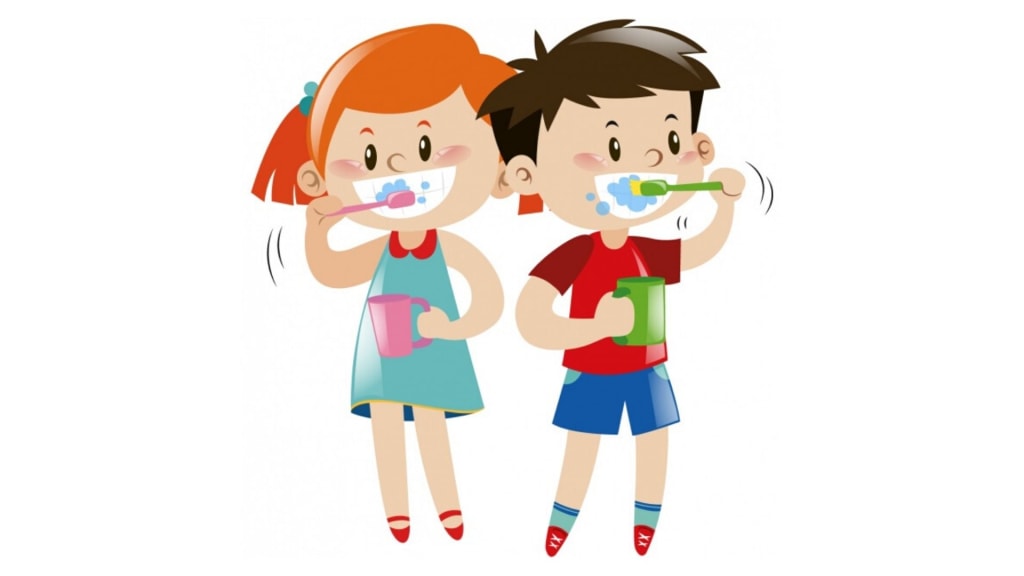
Parents are always worried about the health and education of their kids. And parents can’t be at ease when it comes to the health of their kids. As dental health is very much connected with the overall health of the person, parents understand the significance of good oral habits to be passed to their children. They are also very well aware of the old cliché that healthy adult teeth begin with healthy kids’ teeth. Keeping the children teeth cavity-free is the eventual goal of parents as the poor oral health of kids will not only impact the smile of their kids but will also impact their pocket.
Good eating habits are the start point of healthy teeth. As per the dental for children, to keep oral problems and tooth cavity away, kids need to eat healthily. For good dental health, healthy choices are a must. As per the dentist, there is a link between the eating habits of children and their oral health.
Here is the list of healthy eating tips from the best dental clinics in India for the right oral health of kids:
About the Creator
Femicure Healthcare
Femicure - Healthcare & Wellness facilitators who have a network of medical experts across India. The first choice for treatment seekers to visit to find a suitable healthcare provider for them.
Keep reading
More stories from Femicure Healthcare and writers in Longevity and other communities.
Five Things One Should Know Regarding Dental Implants
Back in time, to replace a missing tooth (or teeth), bridges and dentures were the only way. But these methods were not very comfortable and were known for having meticulous maintenance routines. Bridges and dentures are recognized to cause discomfort to the wearer. But these days people have moved over the dentures. Dental implants are the first choice of people with missing teeth or teeth as dental implants are permanent, secure, and natural-feeling replacement for missing tooth or teeth.
By Femicure Healthcare6 years ago in Longevity
Complete Guide to Kratom Goat: Uses, Benefits, Risks, and Safety Information
Kratom is a natural plant that has gained significant attention worldwide for its traditional uses and potential wellness applications. Known scientifically as Mitragyna speciosa, kratom is a tropical tree native to Southeast Asia, particularly countries like Thailand, Indonesia, Malaysia, and Papua New Guinea. Its leaves have been used for centuries in traditional practices and are now widely discussed in modern health and wellness communities.
By Mega players2 days ago in Longevity
Eileen Gu — the ‘Snow Princess’ Who Divides Opinion
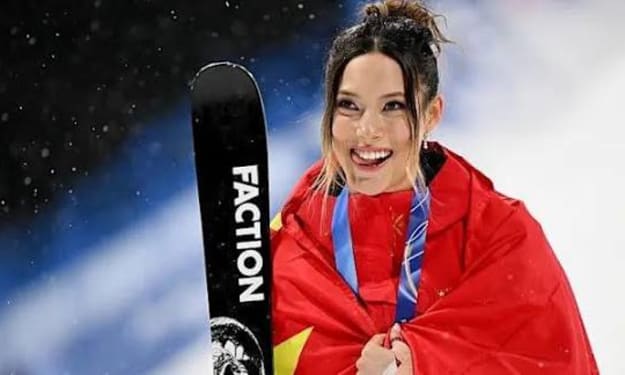
At just 21 years old, Eileen Gu has become one of the most recognised names in winter sports — both for her dazzling performances on snow and her capacity to divide public opinion. Crowned a superstar after multiple Olympic medals and World Cup titles, Gu’s rise has been meteoric. Yet beyond her athletic success lies a complex story of cultural identity, national allegiances and commercial fame that continues to spark debate around the world. Gu was born in California to an American father and a Chinese mother. She began skiing at an early age, quickly demonstrating prodigious talent in freestyle skiing’s slopestyle and halfpipe events. By her mid‑teens she was already climbing the ranks of elite competition, known for her technical daring, big air tricks and composure under pressure. In 2019, at age 17, Gu made the headline‑grabbing decision to compete internationally for China, motivated in part by a desire to inspire young athletes in her mother’s homeland and to promote winter sports ahead of the Beijing Winter Olympics. The announcement was welcomed enthusiastically in China, where she was quickly embraced as a symbol of sporting excellence and cross‑cultural possibility. Internationally, however, her switch of representation produced mixed reactions. Athletic Excellence on the World Stage Gu’s performances have lived up to her hype. At the 2022 Beijing Winter Olympics, she won three medals — gold in big air and halfpipe, and silver in slopestyle — cementing her status as one of the sport’s top competitors. Her technique, artistic flair and consistency elevated her above peers and garnered broad acclaim. Beyond medals, Gu has been credited with pushing the sport forward. Her competitive runs often showcase combinations of spins and flips previously unseen in women’s freestyle skiing. Her success has helped drive global interest in a discipline that traditionally received limited mainstream attention. A Figure of Pride — and Controversy In China, Gu’s victories were championed as a source of national pride. Sponsors lined up, media attention soared, and she became not just an athlete but a cultural icon. For many Chinese fans, she represented a new generation of athletes with global backgrounds who could shine on the world stage while strengthening China’s presence in winter sports. But not all responses were positive. In the United States and other Western countries, Gu’s alignment with China has drawn criticism from some commentators who view her choice through a geopolitical lens. Critics pointed to China’s political system and human‑rights record, arguing that her decision carried symbolic weight beyond sport. Some questioned whether her public role could be seen as implicitly supporting policies they opposed. Gu herself has sought to defuse such narratives, saying she respects both her American upbringing and her Chinese heritage. In interviews, she has emphasised her desire to build bridges between cultures and inspire young people — an ambition she maintains was central to her decision. Commercial Success and Social Impact Gu’s marketability has been extraordinary. She has appeared on the covers of international magazines, headlined major advertising campaigns and become one of the most recognisable faces in action sports marketing. Her fluency in English and Mandarin, combined with her social‑media savvy, widened her appeal across demographics and geographies. Her influence has extended beyond sponsorships. In China, she has been involved in campaigns promoting youth participation in sports, health initiatives, and winter‑sports education. Supporters say she has brought fresh energy to discussions about athletic opportunity, female empowerment, and cross‑cultural exchange. Balancing Fame and Scrutiny Despite her commercial success, Gu’s high profile has also brought intense scrutiny. Every public statement or endorsement is examined through political and cultural filters, and she often finds herself navigating questions that have little to do with skiing technique or competition results. Some analysts argue that young athletes like Gu are caught between two worlds — expected to perform at the highest level athletically while also serving as informal ambassadors for national identity. In a globalised media landscape, such roles are fraught with complexity. Looking Ahead At an age when many athletes are just beginning their professional journeys, Gu’s career remains firmly on an upward trajectory. She continues to compete at elite levels and shows no sign of slowing down. Yet as she trains for future competitions, the debates around her identity, choices and influence are likely to continue. For fans and critics alike, Gu’s story is about more than medals. It reflects broader questions facing a world where sport, culture and politics intersect in an era of rapid global connectivity. Whether celebrated or contested, Eileen Gu remains one of the most compelling figures in contemporary sport — a snow princess who has captured imaginations yet refuses to fit neatly into any single narrative.
By Fiaz Ahmed 16 minutes ago in Longevity



Comments
There are no comments for this story
Be the first to respond and start the conversation.