
6 Powerful Ways to Protect Your Body From Common Workout Injuries
Learn 6 proven ways to protect your body from common workout injuries. Discover safe training tips, recovery strategies, and smart fitness habits.


Exercise is one of the best things you can do for your body and mind. It builds strength, improves cardiovascular health, boosts mood, and supports long-term well-being. However, workouts can also lead to injuries when they are rushed, poorly planned, or done without proper care. From muscle strains to joint pain, common workout injuries can slow progress and sometimes stop training altogether.
The good news is that most workout injuries are preventable. With the right habits, awareness, and preparation, you can protect your body while still pushing toward your fitness goals. This guide breaks down six proven ways to reduce injury risk and train smarter, not harder.
1. Warm Up Like You Mean It, Not Like a Chore
A proper warm-up is one of the simplest yet most overlooked steps in injury prevention. Many people skip it or rush through it, eager to get to the main workout. Unfortunately, cold muscles and stiff joints are far more likely to get injured when suddenly placed under stress.
A good warm-up gradually increases your heart rate and blood flow to your muscles. As a result, your tissues become more elastic and responsive. This prepares your body for movement and reduces the risk of strains, tears, and joint issues. Even five to ten minutes of purposeful warm-up can make a significant difference.
Instead of static stretching, focus on dynamic movements. For example, arm circles, leg swings, light jogging, or bodyweight squats activate key muscle groups while mimicking workout movements. Over time, a consistent warm-up routine also improves mobility and performance, making it easier to train effectively and safely.
2. Master Proper Form Before Increasing Intensity
Poor exercise form is one of the leading causes of workout injuries. When movements are performed incorrectly, stress shifts away from the intended muscles and onto joints, ligaments, or the lower back. This is especially common in strength training and high-intensity workouts.
Before increasing weight, speed, or reps, focus on mastering proper technique. Quality always beats quantity. Performing fewer repetitions with correct form is far more beneficial than pushing through sloppy movements. This approach not only prevents injuries but also delivers better results.
If you are unsure about form, consider working with a qualified trainer or using trusted video demonstrations. Filming yourself during workouts can also help identify posture or alignment issues. Over time, good form becomes second nature, allowing you to progress confidently without unnecessary risk.
3. Build Strength Gradually and Respect Progression
One of the biggest mistakes people make is doing too much, too soon. Motivation is great, but sudden spikes in workout intensity often lead to overuse injuries. Tendons, ligaments, and muscles need time to adapt to increased demands.
Progression should be gradual and intentional. Whether you are lifting heavier weights, running longer distances, or increasing workout frequency, small increments are key. This allows your body to strengthen without being overwhelmed.
Equally important is listening to your body. Persistent soreness, joint pain, or fatigue are warning signs. Rest days are not setbacks. They are essential for recovery and long-term progress. By respecting your limits and building slowly, you reduce injury risk while creating sustainable fitness habits.
4. Support Recovery With Smart Nutrition and Hydration
Recovery does not start after an injury. It starts with daily choices, especially nutrition and hydration. Muscles repair and rebuild when given the right fuel. Without it, your body becomes more vulnerable to strains, inflammation, and fatigue.
Protein plays a crucial role in muscle repair, while carbohydrates replenish energy stores. Healthy fats support joint health and reduce inflammation. Hydration is equally important because dehydrated muscles are more prone to cramping and injury.
For individuals focusing on weight management alongside fitness, medical weight-loss support is sometimes explored under professional guidance. Some people researching options may come across services that allow them to buy Mounjaro online UK, but it is always essential to consult a qualified healthcare provider before combining any medication with an exercise program. Safety should always come first.
5. Use the Right Gear and Choose Smart Training Surfaces
Workout injuries are not always caused by poor technique or overtraining. Sometimes, the issue lies in the equipment you use or the surface you train on. Wearing improper footwear or using worn-out gear can place unnecessary stress on your body.
Shoes should match your activity. Running shoes, weightlifting shoes, and cross-training shoes are designed differently for a reason. Proper footwear supports alignment, absorbs impact, and improves stability. Similarly, using equipment that fits your body size and strength level reduces injury risk.
Training surfaces also matter. Hard concrete increases joint impact, while uneven ground raises the chance of ankle injuries. Whenever possible, choose shock-absorbing floors, grass, or rubberized gym mats. These small adjustments can significantly protect your joints over time.
6. Stretch, Mobilize, and Improve Flexibility Consistently
Flexibility and mobility are often ignored until stiffness or pain appears. Tight muscles limit movement patterns and force other muscles to compensate. Over time, this imbalance can lead to injuries, especially in the lower back, hips, shoulders, and knees.
Post-workout stretching helps muscles relax and return to their normal length. This improves circulation and reduces soreness. In addition, mobility exercises keep joints moving freely through their full range of motion.
Yoga, Pilates, and mobility drills can be excellent additions to a workout routine. Even ten minutes a day can improve posture, movement efficiency, and overall resilience. When your body moves well, it performs better and stays injury-free longer.
Pay Attention to Pain and Early Warning Signs
Pain is not always a sign of progress. While mild muscle soreness is normal, sharp or persistent pain should never be ignored. Many serious workout injuries start as minor discomfort that worsens over time due to neglect.
Learning to distinguish between soreness and injury is crucial. Soreness usually feels dull and improves with movement. Injury pain is often sharp, localized, or worsening. When in doubt, rest and assess rather than pushing through.
Seeking early advice from a physiotherapist or sports professional can prevent small issues from becoming long-term problems. Addressing pain early keeps you consistent with training and avoids lengthy recovery periods.
Balance Training With Proper Rest and Sleep
Rest is not optional. It is a fundamental part of injury prevention. During rest, muscles repair, hormones regulate, and the nervous system recovers. Without enough rest, even well-designed workouts can lead to breakdown and injury.
Sleep quality plays a major role here. Poor sleep slows muscle recovery, reduces coordination, and increases inflammation. Over time, this raises the likelihood of strains and overuse injuries.
Aim for consistent sleep routines and at least seven hours of quality rest per night. Scheduling rest days into your weekly plan also helps prevent burnout. A well-rested body performs better, recovers faster, and stays healthier.
Train With Awareness and Long-Term Perspective
The safest athletes are not the ones who train the hardest. They are the ones who train the smartest. Awareness of your body, mindset, and goals keeps injuries at bay while supporting long-term success.
Avoid comparing your progress to others. Everyone’s fitness journey is different. What works for one person may not be appropriate for another. Training with patience and intention allows your body to adapt naturally.
Fitness is not a race. It is a lifelong investment in health. When you prioritize consistency, proper technique, recovery, and smart choices, you create a routine that supports strength and well-being for years to come.
Final Thoughts
Workout injuries can be frustrating, painful, and discouraging. However, most of them are preventable with the right approach. By warming up properly, using good form, progressing gradually, supporting recovery, and listening to your body, you can train safely and confidently.
Protecting your body does not mean training less. It means training smarter. When injury prevention becomes part of your routine, fitness becomes more enjoyable, sustainable, and rewarding.
About the Creator
Alex
I've built my career around people-focused roles in the software industry, where clear communication, hands-on support, and quality assurance are always top priorities.
Day 4 of Quitting
If this is how sobriety feels, maybe it’s better to go through life a little buzzed… this, along with other hits like, I want to kill myself, I wish I was dead, and I’m going to throw myself off a bridge have been the only thoughts on rotation these past few days. I promise myself that if, in a month, I still feel like this (‘this’ meaning despondent, full of rage, and simultaneously numb) I can go back to smoking. Until mid-February though? Nicotine is off the table.
By sleepy drafts26 days ago in Longevity
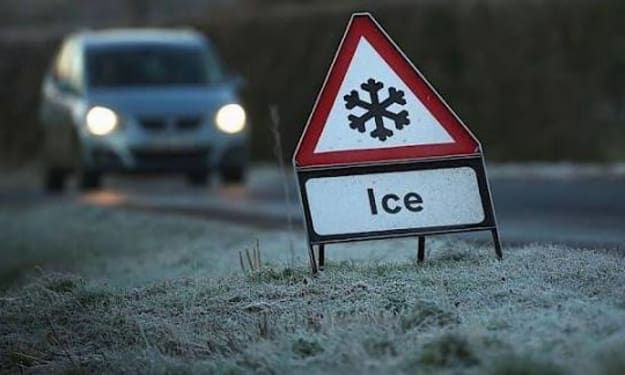
Met Office Issues Yellow Weather Warning for Ice
Slippery roads, travel delays, and safety concerns as temperatures drop The Met Office has issued a yellow weather warning for ice, alerting the public to potentially dangerous conditions across affected areas. As temperatures fall overnight, untreated roads, pavements, and rural routes are expected to become icy, increasing the risk of accidents and travel disruption. While a yellow warning is the lowest level of weather alert, it should not be ignored. Ice can form quickly and unexpectedly, making everyday journeys hazardous and placing pressure on emergency services. What a Yellow Warning for Ice Means A yellow weather warning is issued when conditions may cause minor disruption and increased risk to safety. In this case, the Met Office warns that freezing temperatures could lead to ice forming on roads and walkways, particularly overnight and during early morning hours. Drivers, pedestrians, and cyclists are advised to remain cautious, as even small patches of ice can cause vehicles to skid or people to slip. Rural areas and higher ground are especially vulnerable due to lower temperatures and fewer treated surfaces. How Ice Forms So Quickly Ice often forms when temperatures drop close to or below freezing, especially after rain or melting snow. Moisture left on roads and pavements can freeze rapidly, creating black ice, which is nearly invisible and extremely dangerous. Black ice is particularly common: In shaded areas On bridges and overpasses On untreated country roads Because it is hard to see, black ice is responsible for many winter accidents. Impact on Travel and Transport Icy conditions can cause significant disruption to travel, even when snowfall is minimal. Road traffic accidents often increase during icy spells, leading to delays and congestion. Public transport services may also be affected. Buses can struggle on steep or untreated roads, while rail services may operate at reduced speeds to maintain safety. Airports may face minor delays due to icy runways or aircraft de-icing procedures, especially during early morning departures. Authorities urge travelers to: Check travel updates before leaving Allow extra time for journeys Avoid unnecessary travel during icy conditions Risks for Pedestrians and Cyclists Ice is not only a threat to drivers. Pedestrians and cyclists face a high risk of injury, particularly on untreated pavements and paths. Slips and falls can lead to broken bones, head injuries, and hospital admissions. Older adults are especially vulnerable, as falls can have long-lasting health effects. Local councils often prioritize gritting main roads, which means pavements and side streets may remain icy for longer. Wearing suitable footwear and walking carefully can reduce risk, but caution remains essential. Pressure on Emergency and Health Services During icy weather, emergency services experience a rise in callouts. Ambulance crews respond to accidents, falls, and cold-related illnesses, while hospitals may see increased admissions. Fire and rescue teams are also affected, responding to road incidents and assisting vulnerable people. These pressures highlight why even moderate weather warnings deserve attention. Healthcare professionals encourage people to check on elderly neighbors and relatives, ensuring they are warm, safe, and have access to essential supplies. How to Stay Safe During Icy Conditions The Met Office and local authorities recommend several practical steps to stay safe: Drive slowly and smoothly, avoiding sudden braking Keep a safe distance from other vehicles Wear shoes with good grip when walking outdoors Use handrails where available Stay informed by checking local weather updates Preparing in advance can help reduce risk and prevent accidents during icy spells. Schools, Workplaces, and Daily Life Ice can also disrupt schools and workplaces, particularly if travel becomes unsafe. Some schools may open late or close temporarily, while employers may allow remote working where possible. For people whose jobs require travel or outdoor work, icy conditions increase the risk of injury. Employers are encouraged to assess risks and take steps to protect staff. Daily routines such as shopping, medical appointments, and social activities may also be affected, especially for those with limited mobility. Why Winter Warnings Matter Weather warnings are designed to give people time to prepare, not to cause alarm. Even a yellow warning can help reduce accidents by encouraging caution and awareness. Meteorologists note that winter weather in the UK can be unpredictable. Rapid changes in temperature mean ice can form even when conditions appear calm. Climate experts also point out that while average temperatures may rise over time, extreme and sudden cold spells are still possible, making preparation essential. Community Awareness and Responsibility Local communities play an important role during icy weather. Neighbors clearing pathways, sharing information, and checking on vulnerable residents can make a real difference. Many councils encourage residents to clear snow and ice from pavements outside their homes where it is safe to do so. These small actions help reduce injuries and keep communities moving. Conclusion The Met Office’s yellow weather warning for ice serves as an important reminder that winter conditions can be dangerous, even without heavy snow. Slippery roads, icy pavements, and reduced visibility all increase the risk of accidents and disruption. By staying informed, taking sensible precautions, and looking out for others, communities can reduce the impact of icy weather. While winter hazards cannot be avoided entirely, awareness and preparation remain the best tools for staying safe when temperatures fall.
By Fiaz Ahmed 5 days ago in Longevity



Comments
There are no comments for this story
Be the first to respond and start the conversation.