
What Are the Materials Used for Fire-Retardant Clothes?
Fire-retardant materials have many layers of defense to keep you safe. The heavy fibres used to make flame-retardant textiles are woven together to create a dense fabric.

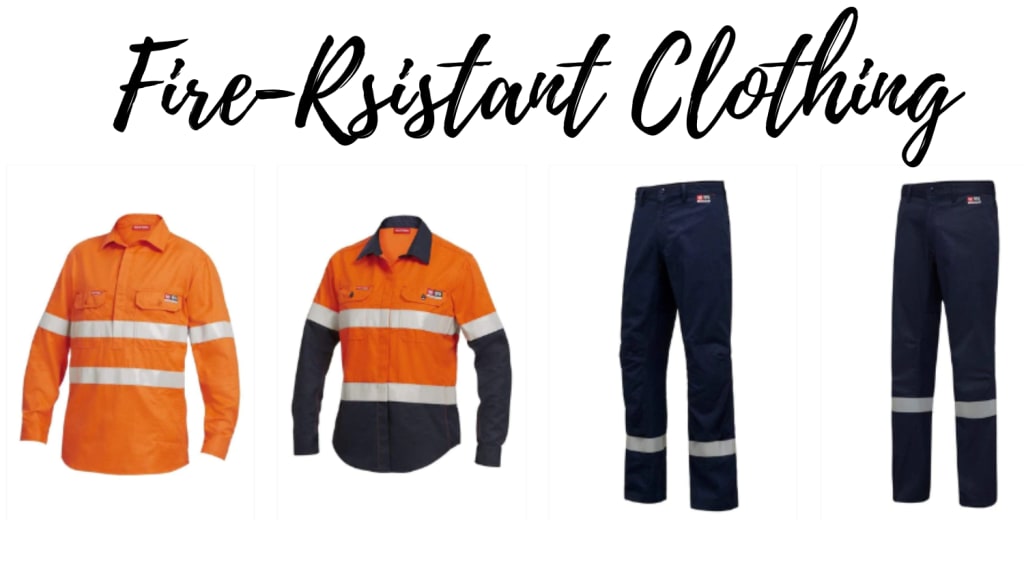
If your job requires you to be in or near fires, flames, or very high temperatures, fire-retardant workwear will be an essential piece of equipment for you to have. These garments are constructed from fire-retardant t-shirt fabrics to reduce the spread of flames. Multiple methods of fire protection are included in these fabrics.
Both natural and artificial fibers benefit from treatment with fire-retardant compounds. The chemical treatment of the threads almost eliminates the flammability of the fabric. The chemical coating on the material interacts with the fumes and tars produced by the cloth when a fire breaks out. It reduces the fabric's burning rate by transforming the flammable vapors and tars into carbon char.
Find out in this post what kinds of materials are used to make fire-retardant workwear and how they manage to resist ignition.
In What Ways Do Fire-Retardant Materials Function?
Despite their misleading name, fire-retardant materials do not prevent fires from starting. These garments, like most others, may be set ablaze under the right circumstances. However, clothing that resists flames is also effective against heat and intermittent flames.
"Fire-retardant materials have many layers of defense to keep you safe."
The heavy fibres used to make flame-retardant textiles are woven together to create a dense fabric. Fabric with a dense weave will burn more slowly than one with a more open texture.
Fibre: Cellulose-based fibres like cotton, linen, and other natural materials are pleasant to wear but are also easy-burning. All natural fibres may easily catch fire. Thus fire-retardant materials either don't use them or coat them chemically.
Chemical Coatings are put on protective textiles to reduce the risk of fire. This is because these compounds react with the fumes and tars generally produced during a fire. Instead of letting the flames spread unchecked, the coating turns these byproducts into carbon char. The fire on the cloth is slowed down and ultimately extinguished.
What Kinds of Materials Are Safe from Fires?
There is a wide variety of materials that can resist fire. You may discover fireproof clothing suitable for various occupations and environments made from these materials.
Pre-woven fabrics may be treated with a chemical flame retardant to create treated cotton or nylon, which can be either entirely cotton or a cotton-nylon hybrid. Utility, oil and gas, and chemical jobs benefit greatly from treated textiles due to their abrasion resistance.
Rayon, an artificial cellulose fibre, may be treated while spun into yarn or fabric. For the duration of its use, flame-resistant rayon clothing poses no risk to the wearer.
Modacrylic, a synthetic fabric, is virtually as fire-resistant as treated cotton. Material made from this combination is solid against fire, chemicals, and solvents while maintaining a comfortable cotton-like touch.
Wool: Despite being an unprocessed natural fibre, the thread has a low potential for ignition. Wool burns slowly and may extinguish itself. It is weather resistant and has some antibacterial tendencies, two additional features that make it an excellent choice for workwear.
Nomex is a kind of synthetic fibre that is very much like Modacrylic. Although it is possible to manufacture a wearable fabric by blending Nomex with cotton or another material, this is not required.
Kevlar: Kevlar's strong fibres find widespread usage in protective gear, and the material also has flame-resistant uses.
Fire-Retardant Workwear
Perhaps you've heard of "FR" workwear before. FR stand for fire-retardant clothes are essential to any workplace safety plan because of their resistance to fire.
On the market, you may find various flame-resistant garments to suit multiple situations and demands.
Putting on these garments may be a requirement of your employer if you operate in a particularly hazardous workplace.
So, you've decided to buy some flame-resistant clothing, but you're wondering what materials are utilized to make them.
When looking for a fire-resistant workwear t-shirt, it's essential to only buy from reputable companies with plenty of expertise in the industry. Experts must have confidence that the thermal protection offered by their overalls, balaclavas, jackets, and mufflers will keep them safe in an emergency.
Purchasing high-quality garments from reputable brands are the surest approach to guarantee that PPE meets requirements.
Clothing with an accurate arc rating and complete information on the fabrics used to produce it may be trusted by reputable manufacturers. Professionals may better safeguard themselves on the job if they are aware of the protective qualities of each piece of equipment.
Closing Remarks
Workers must wear fire-retardant (FR) clothes when working in hazardous environments. Avoiding FR gear might be disastrous if your workplace is prone to fire dangers, including flash fires, electric arcs, or exposure to flammable chemicals and solvents.
With safety as the first priority, these fabrics are selected for fire-resistant apparel. They are a necessary component of any wardrobe that requires protection from fire. These fabrics are ideal for fire-resistant clothing because of their excellent heat, chemical, and radiation resistance, as well as their durability and softness.
About the Creator
Allsorts Workwear
AllsortsWorkwear is your one stop custom uniforms and hi-vis workwear national distributor. Specialists in embroidery, screen printing, dye sublimation clothing, digital garment printing all under one roof.
Keep reading
More stories from writers in Lifehack and other communities.
I Spent 30 Days Without Social Media and This Is What Happened to My Brain
I remember the exact moment I realized I had a problem. It was 2:00 AM, and I was scrolling through a stranger’s vacation photos from 2018. My eyes were burning, my neck ached, and I felt a strange emptiness in my chest. That night, I decided to do something radical: I deleted every social media app on my phone for 30 days.
By Hazrat Umera day ago in Lifehack
~ Fired ~
— Ai Intrusion ~ Are you Next ~ Is Ai Evolution after your job? — Few workplaces haven't been affected. Ai is in supermarkets, at doctors' offices, and even monitoring farms. I just can't think of anything this machine is not getting into, can you? For instance: Education ~ Law and Tech jobs will one day have a major influence or be taken over by these inanimate machines, with accuracy and vigor. From mechanics' diagnoses to a wide variety of everyday jobs, including fast food workers, with this input having the ability to cut their unnecessary work hours. I'm certain all of us have been touched by this with our short stories and colorful headings, have you? Even comments are very questionable 'Non-Robot' insertions.
By Jay Kantor6 days ago in Journal




Comments
There are no comments for this story
Be the first to respond and start the conversation.