
Why Are Young People Leaving Romania?
Understanding the Causes Behind Youth Migration

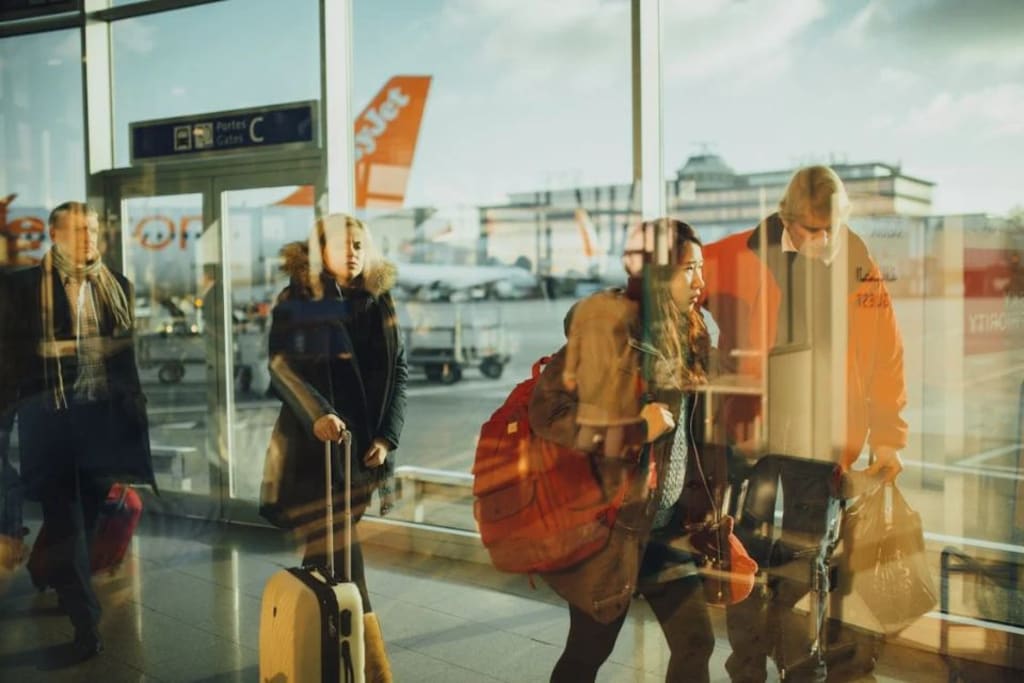
Over the past decade, Romania has experienced a significant wave of youth migration. Thousands of young people leave the country each year in search of better opportunities, education, and quality of life. While migration is not a new phenomenon, the scale at which young Romanians are choosing to build their futures abroad raises important questions about the country’s economic, social, and political landscape.
Higher Salaries and Better Career Opportunities
One of the main reasons young people leave Romania is the difference in income and professional growth opportunities. In countries such as Germany, France, and Netherlands, wages are often significantly higher than in Romania for similar roles.
Beyond salary, many Western European countries offer clearer career paths, stronger labor protections, and merit-based systems. Young professionals often feel that their work is more valued abroad and that advancement depends more on performance than on connections.
Education and International Exposure
Education is another key factor. Many Romanian students participate in programs like Erasmus+, which allows them to study in other European countries. After experiencing well-funded universities, modern facilities, and international academic environments, some students decide not to return home.
Studying abroad also provides access to broader job markets and networking opportunities. For ambitious young people, staying abroad can feel like the natural next step after graduation.
Lack of Trust in Institutions
Another major issue is the lack of trust in public institutions. Concerns about corruption, political instability, bureaucracy, and inefficiencies in the healthcare and public systems contribute to the decision to leave.
Frequent political changes and public scandals have weakened confidence in long-term stability. For young adults planning careers, families, and financial futures, predictability and security are essential.
Quality of Life and Infrastructure
Quality of life plays a crucial role in migration decisions. Cities like Berlin and Amsterdam are often perceived as offering better infrastructure, efficient public transport, cleaner urban spaces, and stronger social systems.
Young people are increasingly prioritizing work-life balance, mental health, and access to cultural experiences. In many cases, they believe these elements are easier to find outside Romania.
Social Influence and the “Chain Effect”
Migration can also become a social trend. When friends, relatives, or classmates move abroad and share positive experiences on social media, others are inspired to follow. This creates a chain effect, where leaving the country becomes normalized or even expected among peer groups.
Are There Reasons to Stay?
Despite these challenges, Romania still offers opportunities, especially in fields like IT, entrepreneurship, and creative industries. The cost of living remains lower than in many Western countries, and family support networks are often stronger at home.
In recent years, some young professionals have even returned to Romania after gaining experience abroad, bringing back new skills, perspectives, and investments.
Conclusion
The migration of young people from Romania is not driven by a single cause, but by a combination of economic pressures, institutional weaknesses, personal ambitions, and global opportunities. While higher salaries and better infrastructure abroad are powerful incentives, the deeper issue often lies in perception — the belief that long-term stability, fairness, and professional recognition are easier to achieve outside the country.
For many young Romanians, leaving is not an act of rejection, but rather a rational decision shaped by comparison. Growing up in a connected world, they can easily see how life functions in countries like Germany or Netherlands. Through social media, international education programs, and global job platforms, the distance between Romania and Western Europe no longer feels geographical — it feels structural. When opportunities appear more transparent and systems seem more predictable abroad, migration becomes a calculated step toward personal security and growth.
However, the long-term impact of youth migration raises serious concerns. A country that consistently loses a large portion of its educated and ambitious young population risks slowing down its own development. Innovation, entrepreneurship, and social reform are often driven by younger generations. When they leave, the labor market tightens, public systems face demographic pressure, and economic growth may stagnate.
At the same time, migration is not entirely negative. Many young Romanians who move abroad gain valuable skills, international experience, and financial resources. Some choose to return home later in life, bringing with them new perspectives and higher expectations for transparency and efficiency. This “brain circulation” can become an advantage — but only if Romania creates conditions attractive enough to encourage return.
The real challenge, therefore, is not stopping migration altogether, but making staying a competitive option. Investment in education, digital infrastructure, healthcare reform, and merit-based professional systems could gradually rebuild trust. Stability in governance and clearer long-term policies would also contribute to restoring confidence among young citizens.
Ultimately, young people leave when they feel that their potential cannot fully develop at home. If Romania aims to reduce this trend, it must focus not only on economic growth, but also on fairness, opportunity, and quality of life. The decision to stay should not be based on emotional attachment alone, but on realistic prospects for success.
In the end, the future of Romania depends on whether it can transform migration from a necessity into a choice — and ensure that for more young people, that choice is to build their future at home.
About the Creator
~ Fired ~
— Ai Intrusion ~ Are you Next ~ Is Ai Evolution after your job? — Few workplaces haven't been affected. Ai is in supermarkets, at doctors' offices, and even monitoring farms. I just can't think of anything this machine is not getting into, can you? For instance: Education ~ Law and Tech jobs will one day have a major influence or be taken over by these inanimate machines, with accuracy and vigor. From mechanics' diagnoses to a wide variety of everyday jobs, including fast food workers, with this input having the ability to cut their unnecessary work hours. I'm certain all of us have been touched by this with our short stories and colorful headings, have you? Even comments are very questionable 'Non-Robot' insertions.
By Jay Kantor21 days ago in Journal
Short Annapurna Trek
If you want a taste of the Himalayas without committing to a long trek, the Annapurna short trail is the perfect choice. This trek offers amazing mountain views, traditional villages, and peaceful forests, all in a short but rewarding journey. Whether you are a beginner or an experienced trekker looking for a quick adventure, this trail gives a mix of nature, culture, and excitement in just a few days. Each step brings a new sight, and every day feels like a fresh adventure waiting to unfold.
By Rose Jenkins5 days ago in Journal



Comments
There are no comments for this story
Be the first to respond and start the conversation.