
US Law Keeps Fishermen on Decades-Old Ships
Outdated maritime regulations are forcing American fishermen to rely on aging vessels, raising safety, cost, and competitiveness concerns

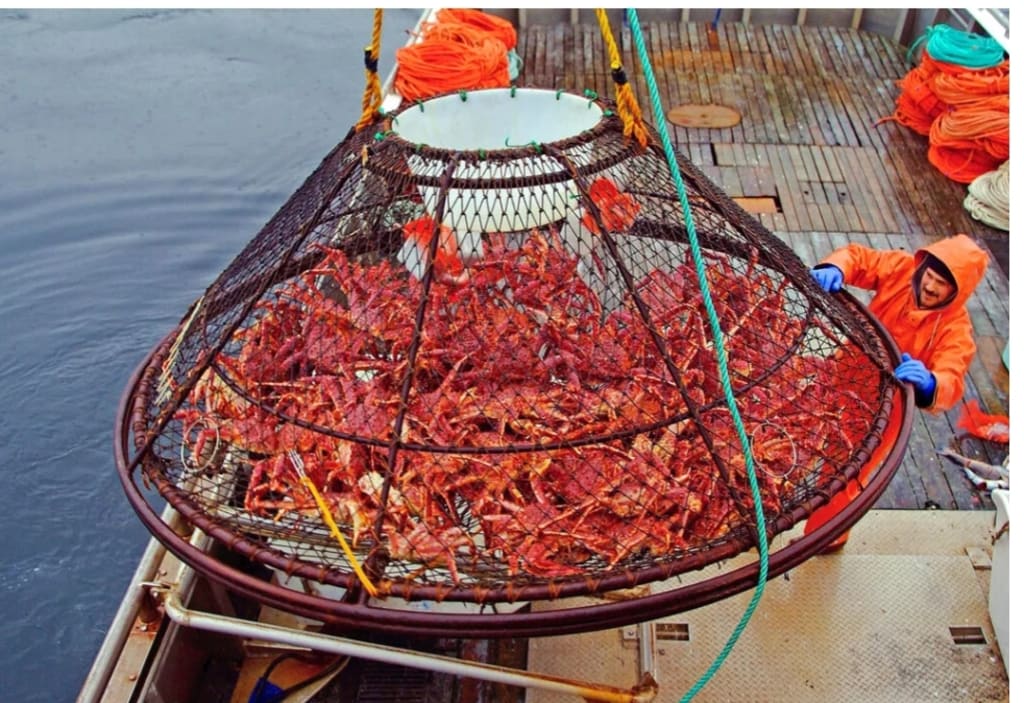
Across the United States, many commercial fishermen are heading out to sea on vessels built decades ago—not by choice, but by law. An obscure but powerful piece of US maritime legislation has effectively locked much of the fishing industry into operating aging ships, limiting modernization and raising serious questions about safety, efficiency, and global competitiveness.
At the center of the issue is the Jones Act, a century-old law designed to protect American maritime jobs and shipbuilding. While its original intent was national security and economic self-reliance, critics argue that its unintended consequences are now being felt most sharply by working fishermen.
---
The Law Behind the Problem
The Merchant Marine Act of 1920, commonly known as the Jones Act, requires that vessels transporting goods between US ports must be built in the United States, owned by US citizens, and crewed by Americans. While fishing vessels are not directly transporting cargo between ports in the traditional sense, many commercial fishing operations fall under related coastwise and documentation requirements tied to the same legal framework.
Because US-built ships are significantly more expensive than those built abroad, the law has made it prohibitively costly for fishermen to replace or upgrade their fleets. As a result, many are forced to keep using vessels that are 30, 40, or even 50 years old.
---
Why New Ships Are So Hard to Build
Shipbuilding costs in the United States are among the highest in the world. Industry estimates suggest that a fishing vessel built domestically can cost three to five times more than a comparable ship built in countries like South Korea, Japan, or Spain.
For small and mid-sized fishing operators, these costs are simply unrealistic. Financing is difficult, profit margins are thin, and unpredictable factors—such as fuel prices, fish stock limits, and extreme weather—make long-term investments risky.
As a result, fishermen often resort to repairing and refitting older vessels again and again, pushing them well beyond their original service life.
---
Safety at Sea: A Growing Concern
The reliance on aging ships has serious safety implications. Older vessels are more prone to mechanical failure, corrosion, and outdated safety systems. While regular inspections are required, experts warn that maintenance alone cannot fully compensate for decades of wear and tear.
Fishing is already one of the most dangerous professions in the United States. According to safety advocates, the inability to modernize fleets only increases the risk of accidents, injuries, and fatalities at sea.
Newer vessels could be designed with better stability, improved fuel efficiency, modern navigation systems, and enhanced crew safety features. But under current laws, many fishermen simply cannot afford them.
---
Falling Behind Global Competitors
US fishermen are also facing growing competition from foreign fleets operating newer, more efficient vessels. In countries without similar restrictions, operators can purchase modern ships at lower costs, adopt advanced technology faster, and operate with greater fuel efficiency.
This creates an uneven playing field in global seafood markets. While US fishermen must absorb higher operating costs and maintenance expenses, foreign competitors often enjoy lower overhead and higher productivity.
Over time, this gap threatens the long-term viability of domestic fishing communities, particularly in coastal regions heavily dependent on the industry.
---
Supporters of the Law Push Back
Defenders of the Jones Act argue that the law remains essential for national security and economic independence. They say a strong domestic shipbuilding industry is critical in times of war or crisis and that weakening the law could undermine US maritime capabilities.
Supporters also contend that allowing foreign-built vessels into US waters could lead to job losses, lower labor standards, and increased reliance on overseas supply chains.
From this perspective, the challenges faced by fishermen are seen as a cost of maintaining broader strategic and economic protections.
---
Calls for Reform Grow Louder
In recent years, pressure has mounted to reform the law—at least for the fishing industry. Some lawmakers and industry groups have proposed targeted exemptions that would allow fishermen to purchase foreign-built vessels while keeping ownership and crew requirements intact.
Others suggest government subsidies or shipbuilding incentives to lower the cost of domestic vessels, helping fishermen modernize without dismantling the law entirely.
So far, meaningful reform has been slow. Political resistance, lobbying from shipbuilders, and national security concerns continue to stall changes.
---
Human Impact on Fishing Communities
Beyond economics and policy, the issue has a human cost. Aging fleets mean higher maintenance bills, longer downtimes, and increased stress for crews who rely on these vessels for their livelihoods.
Younger workers are also less attracted to an industry that cannot modernize. Many fishing communities worry that without reform, the next generation will leave the profession altogether, accelerating the decline of traditional coastal economies.
---
Conclusion
The reality that US law keeps fishermen on decades-old ships highlights the unintended consequences of outdated regulations in a rapidly changing world. While the original goals of maritime protection and national security remain important, the costs to safety, competitiveness, and community sustainability are becoming harder to ignore.
As debates over supply chains, resilience, and domestic industry continue, the fishing fleet stands as a clear example of how laws written a century ago can shape—and sometimes constrain—modern livelihoods. Whether policymakers choose reform, exemptions, or increased support, the future of America’s fishermen may depend on how quickly these rules are brought into the present.
About the Creator
Keep reading
More stories from Salaar Jamali and writers in Journal and other communities.
Iran Rolls Out 5 Million-Rial Banknote, Worth About $3.10 at Market Rate
tl Subtitle Iran has officially introduced a new 5 million-rial banknote, equivalent to roughly $3.10 at the current market exchange rate. The rollout marks a significant step in Tehran’s ongoing efforts to address economic pressures, manage inflation, and simplify cash transactions in a country where everyday prices have been rising steadily due to currency depreciation and inflationary trends.
By Salaar Jamaliabout 17 hours ago in Journal
~ Fired ~
— Ai Intrusion ~ Are you Next ~ Is Ai Evolution after your job? — Few workplaces haven't been affected. Ai is in supermarkets, at doctors' offices, and even monitoring farms. I just can't think of anything this machine is not getting into, can you? For instance: Education ~ Law and Tech jobs will one day have a major influence or be taken over by these inanimate machines, with accuracy and vigor. From mechanics' diagnoses to a wide variety of everyday jobs, including fast food workers, with this input having the ability to cut their unnecessary work hours. I'm certain all of us have been touched by this with our short stories and colorful headings, have you? Even comments are very questionable 'Non-Robot' insertions.
By Jay Kantor2 days ago in Journal


Comments
There are no comments for this story
Be the first to respond and start the conversation.